Buying apparel directly from a manufacturer remains one of the most reliable ways to protect margins, secure consistent quality, and scale a retail assortment with confidence. Whether you sell denim, utility bottoms, athleisure, or formalwear, a direct relationship with the maker lets you control specs, streamline restocks, and develop a private-label line without the uncertainty of middlemen.
Why Buy Direct From Manufacturers?
1) Stable quality and sizing
Factories that control fabric sourcing, cutting, stitching, and finishing deliver fewer surprises between batches. That is mission-critical for denim and tailored bottoms where a millimeter in pattern grading can decide whether you get a 5-star review or a return. When you partner with a proven women jeans supplier or a trusted men’s trousers manufacturer, you reduce QC firefighting and protect your reputation.
2) Private label at scale
Direct makers can add branded main labels, size tabs, care labels, hangtags, polybags, and carton printing. This unlocks defensible margins and repeat purchase behavior especially valuable in crowded search spaces like wholesale denim jeans for women and wholesale men’s jeans.
3) Predictable lead times & restocks
A factory’s production calendar gives you visibility for seasonal drops, promotions, and peak demand. Clear restock windows help keep bestseller sizes live across cargo pants for women, men’s cargo pants wholesale, wholesale men’s joggers, and men’s trousers wholesale.
4) Technical guidance
A seasoned women jeans manufacturer or men’s trousers manufacturer will advise on fabric blends, stretch percentages, shrinkage control, seam construction, pocket reinforcements, and hardware. Their input helps you specify the right hand-feel, drape, and durability for each segment from joggers for women online to women’s trousers wholesale.
Pre-Order Checklist: 10 Things to Confirm
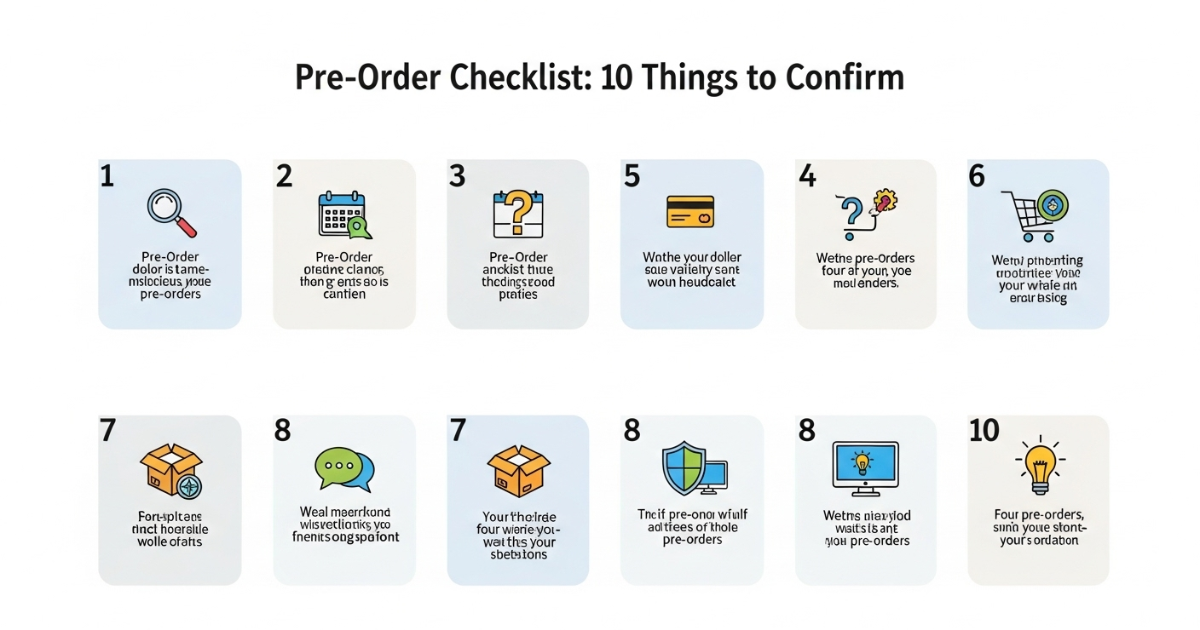
- Fabric spec – Composition (e.g., 98% cotton/2% elastane), GSM, yarn count, tensile strength, tear strength, shrinkage profile, and finishing (enzyme, stone, softener, resin, anti-crease). This applies equally to wholesale men’s jeans, wholesale cargo pants, and knit styles like men’s joggers.
- Fit blocks & grading – Request the base pattern and the full grading chart. Validate waist, hip, rise, thigh, knee, leg opening, and inseam per size.
- Shrinkage & wash tests – Pre-wash and post-wash measurements, colorfastness (rubbing/wet/dry), and crocking results vital for wholesale denim jeans for women.
- Hardware & trims – Zipper brand/spec, button/rivet plating, drawcord tip quality, elastic recovery cycles for joggers and trousers.
- Size curves & pack ratios – Align size breakdown with your sales data (e.g., 28–36 in men’s, S–XL in women’s).
- MOQ tiers – Negotiate flexible MOQs for test runs and colorways; this is key when opening new SKUs in women’s trousers wholesale or men’s trousers wholesale.
- Lead time – Sampling lead time, bulk production lead time, and calendar for urgent repeats.
- QC & AQL – Define defect thresholds, inline inspections, and final AQL sampling scope.
- Labeling & packaging – Private-label details (artwork approvals, placements, polybag warnings, carton markings).
- Logistics – Shipping method (air/sea/courier), INCO terms, carton dimensions, and landed cost calculations.
Category Deep Dive: What to Look For
1) Jeans (Men & Women)
- Fabric & stretch: For comfort and recovery in stretch lines, target 1–3% elastane. Heavier rigid denim suits heritage fits; mid-weight stretch works for contemporary silhouettes.
- Seams & reinforcements: Double-needle yokes, bartack at pocket openings, lockstitch back rises. Reinforce high-stress zones to minimize returns across wholesale men’s jeans and wholesale denim jeans for women.
- Hardware: Nickel-free, corrosion-resistant buttons/rivets; YKK or equivalent zippers; secure fly construction.
- Wash library: Offer a commercial mix light vintage, mid stone, dark rinse, black over-dyed. Test for color transfer with a white cloth before confirming bulk.
- Fit assortment: For women high-waist straight, mom, skinny, wide-leg. For men slim, straight, athletic taper, relaxed. This balance helps both women jeans supplier catalogs and retail buy plans.
2) Cargo Pants
- Fabrics: Cotton twill, ripstop, or blends with nylon/spandex for mobility. Confirm tear strength and abrasion ratings.
- Pocket utility: Real utility sells. Secure flaps, clean stitch density, bartacks at corners.
- Silhouette: Balance relaxed street fits and tapered city fits to cover cargo pants for women and men’s cargo pants wholesale with one base block and graded variants.
- Dye stability: Pre-test olive, tan, and black for shade variations across dye lots especially important in wholesale cargo pants programs.
3) Joggers
- Fabric weight: Cotton-rich terry/fleece for colder markets; mid-weight jersey or interlock for all-season; moisture-management finishes for gym lines.
- Elastic & cuffs: High-recovery elastic (after 50+ stretch cycles), clean cuff ribbing, secure topstitch.
- Pockets: Zipped side pockets and phone-safe back pockets add functional value for men’s joggers and wholesale men’s joggers assortments.
- Fit & rise: Mid-rise, tapered leg with room at thighs for training; straighter leg for lifestyle. Curate options for joggers for women online pages with clear fit notes.
4) Trousers
- Fabric blends: Poly/viscose for structure, poly/rayon/spandex for comfort stretch, wool blends for premium.
- Crease retention: Resin or anti-crease finishes reduce ironing and keep leg lines sharp ideal for men’s trousers wholesale and women’s trousers wholesale buyers.
- Waist engineering: Hidden elastic, gripper waistbands, adjustable tabs, and secure hook-and-bar closures elevate fit and longevity.
- Tailoring details: Clean fly construction, reinforced pocket bags, blind hems or neat topstitching per brand DNA.
Building an Assortment That Sells (and Resells)
The 60/30/10 rule
- 60% core: Never-out SKUs in black/indigo/neutral that justify deeper buys jeans in straight/slim, tapered joggers, essential cargos, office trousers.
- 30% seasonal: Fashion washes, new colors, limited fabrics to refresh marketing.
- 10% test: Experimental fits, innovative fabrics, or capsule collabs small MOQs, fast learnings.
Size curves that match demand
Use the last 90–180 days of sales to refine curves. If 32–34 outsell in wholesale men’s jeans, adjust pack ratios. For wholesale denim jeans for women, verify the sell-through on high-waist vs mid-rise and update grade runs accordingly.
Color strategy
Anchor with evergreen hues (black, deep indigo, navy, khaki, charcoal). Add 1–2 seasonal shades per drop sage, sand, or washed stone for cargos; bone, latte, or cinnamon for trousers; stonewash or ecru denim for women’s fashion fits.
Pricing, Margins & Cash Flow
- Target landed cost (TLC): TLC = Ex-factory + Freight + Duty + Clearing + Local logistics + Labels/packaging. Model your desired IMU (initial markup) and final margin after promo cycles.
- MOQ negotiations: For new styles in women’s trousers wholesale or men’s trousers wholesale, trade slightly higher unit price for lower MOQs to minimize risk at launch.
- Repeat buys: Lock price brackets and dye/lab dip approvals for 6–12 months on core styles to avoid re-sampling and to speed repeats in men’s cargo pants wholesale and wholesale men’s joggers.
- Currency hedging: If paying in USD while selling domestically, consider hedging a portion of your forecast to stabilize margin.
Private-Label Playbook
- Brand kit ready – Vector logos, label mockups, hangtag copy, care label content, and placement guides.
- Trim board approval – Sign off on every component before bulk: main labels, size tabs, care, hangtags, drawcord tips, zips, buttons.
- Fit identity – Document your block names and promise (e.g., “City Taper,” “Classic Straight,” “Comfort Rise”). Keep fits consistent across drops so customers can confidently rebuy.
- Content pipeline – Shoot product on-figure and flat-lay; capture hardware close-ups for jeans and cargos; fabric texture for trousers; motion shots for joggers. This boosts conversion across joggers for women online, wholesale cargo pants, and denim category pages.
- Packaging – A simple, repeatable unboxing experience with branded stickers or eco polybags elevates perceived value without bloating costs.
Reducing Returns (and Increasing Reviews)
- Accurate size charts: Publish measurements (waist/hip/rise/inseam/thigh/leg opening). Provide a fit note (“true to size / size up if between sizes”).
- Care clarity: Clear wash instructions reduce color loss and shrinkage complaints especially on dark wholesale men’s jeans and black joggers.
- Comparison photography: Show side-by-side fits (slim vs relaxed) and key details (cargo pocket reinforcement, trouser waist systems).
- Model specs: Height, weight, garment size, and how the piece sits help shoppers pick right vital for women jeans supplier catalogs and DTC product pages.
Compliance, Sustainability & Credibility
- Certifications: If relevant, highlight OEKO-TEX Standard 100 for textiles, BCI cotton, or recycled content percentages.
- Ethical production: Share factory safety and wage compliance summaries. This matters more every season especially for premium women jeans manufacturer and men’s trousers manufacturer partnerships.
- Material transparency: Publish fabric composition, source country, and finishing treatments. Consumers trust detail.
Seasonal Planning & Trend Notes
- Denim: Women’s wide-leg and high-rise straight remain strong alongside classic skinny in certain markets. Men’s athletic taper continues to sell through in core indigo and black overdye within wholesale men’s jeans.
- Cargo: Utility details remain mainstream secure flaps, tonal stitching, and adjustable hems. Earth tones dominate wholesale cargo pants selections; women’s cargos see softer neutrals and cropped lengths for cargo pants for women demand.
- Joggers: Hybrid jogger-trouser crossovers grow clean front, drawstring inside waistband, tapered ankle; ideal for men’s joggers and work-from-anywhere fits marketed under wholesale men’s joggers.
- Trousers: Comfort stretch and crease retention rule officewear. In men’s trousers wholesale and women’s trousers wholesale, black, navy, and charcoal anchor; seasonal sandstone and olive refresh the rail.
Sample Workflow: From Idea to Arrival
- Brief – Define target customer, use case, and price point.
- Spec & tech pack – Measurements, stitch specs, trims, and packaging notes.
- Sampling – Receive proto; fit on multiple bodies; update pattern.
- PP sample – Pre-production sample in bulk fabric/trim; final approval.
- Bulk – Inline QC, top of production (TOP) checks, and AQL sign-off.
- Ship – Book forwarder, finalize INCO, track cartons, and pre-receive ASN.
- Launch – PDP copy, imagery, email/SMS, influencer seeding, and ads.
- Review – Analyze returns, reviews, and sell-through to optimize the next buy.
Quick FAQs
Q1: What’s a realistic MOQ for new styles?
Depends on factory and fabrication. Denim and woven bottoms often start 200–500 pcs per color; knits can be lower. Negotiate test MOQs for emerging lines like joggers for women online or limited runs in women’s trousers wholesale.
Q2: How do I protect color consistency in denim and cargos?
Approve lab dips, lock the recipe, and ask for shade bands. For large repeats in men’s cargo pants wholesale or wholesale men’s jeans, request the same mill lot when possible.
Q3: What percent stretch should I target?
For everyday stretch denim, 1–3% elastane balances comfort and recovery. For joggers or stretch trousers, 3–6% spandex (within blends) may be ideal depending on fabric base.
Q4: What images convert best?
Front/side/back on-figure, detail macros (stitching, hardware), motion shot (walk/sit), and flat-lay. Add a size/fit graphic especially helpful on wholesale men’s joggers and cargo pants for women listings.
Q5: How do I manage cash flow across categories?
Anchor buys in core sellers, then phase seasonal colors via smaller, staggered POs. Use rolling restocks on proven SKUs in men’s joggers, wholesale cargo pants, and core jeans.