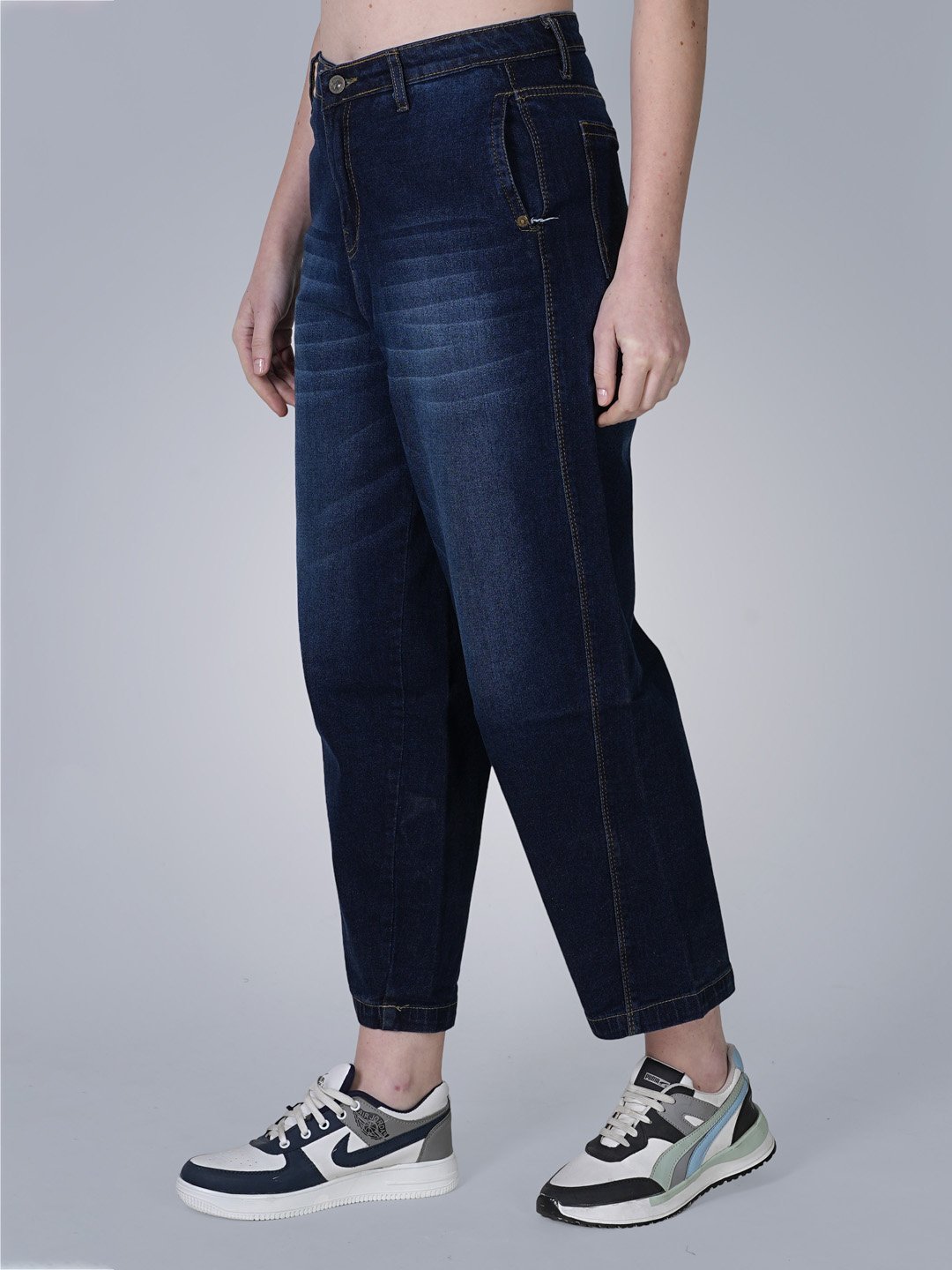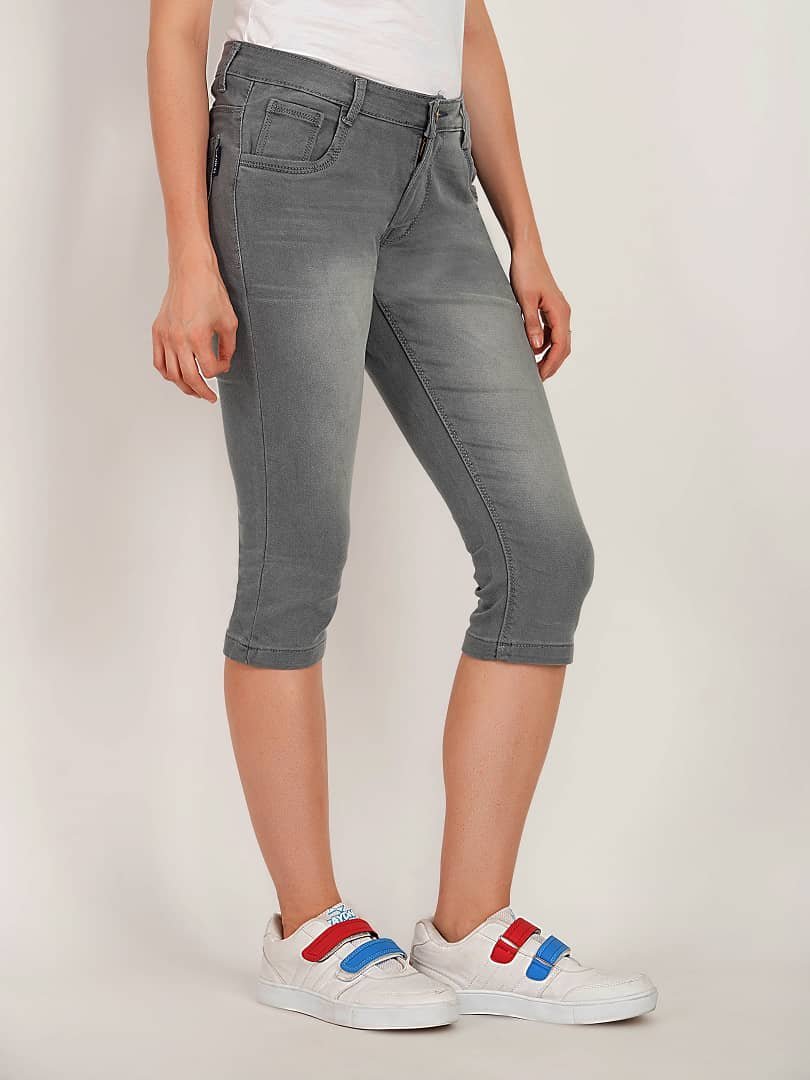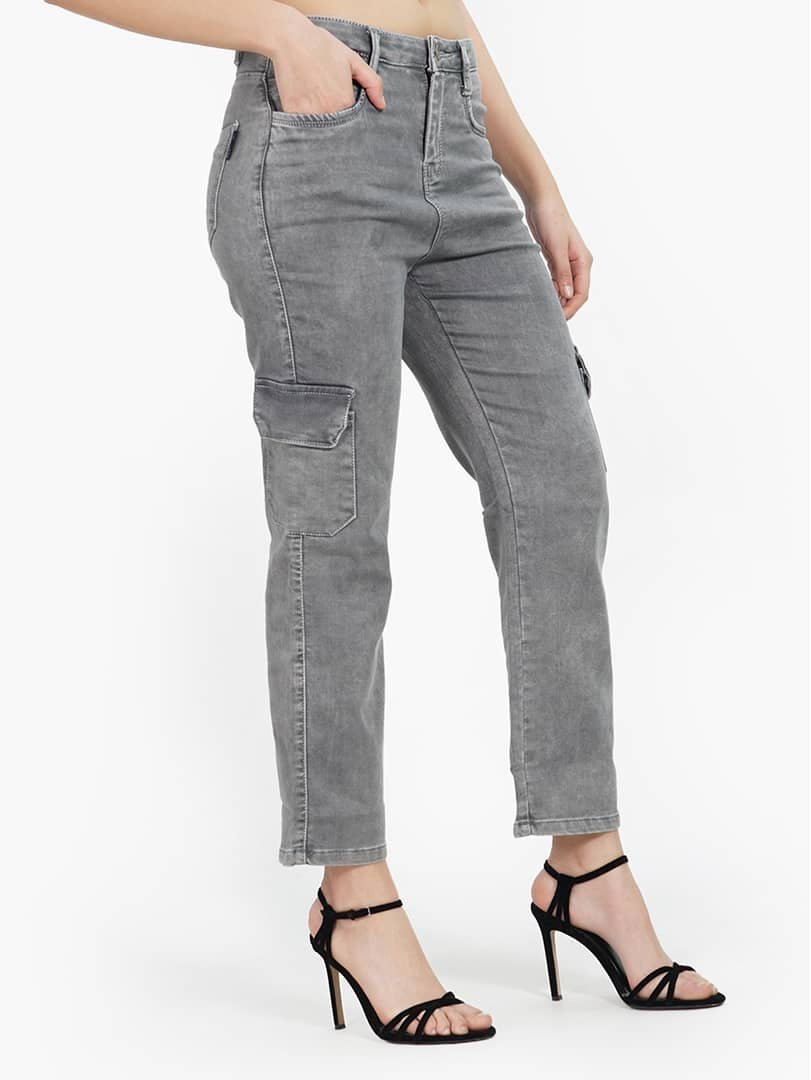
Month: October 2026

Categories
Blog

Jeans Wholesaler in Mumbai: Bulk Denim Supplier for Maharashtra Retailers

Mumbai is unlike any other denim market in India[cite: 1]. The city combines a mass-market consumer base in its suburbs, a premium-aspirational base in South Mumbai and the Western belt, a serious export trade centred around Bhiwandi and SEEPZ, and a legacy wholesale cluster in Ulhasnagar that has shaped national denim pricing for three decades[cite: 1]. If you source for a Mumbai store, you are operating inside the most layered denim ecosystem in the country[cite: 1].

That layering is both an advantage and a trap[cite: 1]. Mumbai gives you more sourcing options than any other city, but each option carries different economics, lead times, and quality variance[cite: 1]. A wrong choice shows up in your margins within one season[cite: 1].

This guide is written for the Mumbai or wider Maharashtra retailer who wants to cut through the layers[cite: 1]. We cover how the wholesale ecosystem is actually structured, where real factory-direct supply fits in, what pricing to expect in 2026, and how to build a sourcing chain that holds up through monsoon logistics and festive-season demand spikes[cite: 1].

Let us go through it in the order the decisions will actually matter[cite: 1].

Mapping Mumbai’s Wholesale Denim Markets

Mumbai’s wholesale denim trade is geographically dispersed in a way Delhi or Bangalore is not[cite: 1]. Each cluster has its own character and ideal buyer profile[cite: 1].

Ulhasnagar: The Volume Capital of Western India

The ulhasnagar jeans wholesale market is arguably the largest denim distribution cluster west of Delhi[cite: 1]. The lanes around Ulhasnagar 3 and 4 move serious volume at some of the lowest per-piece rates in India[cite: 1]. Historically, Ulhasnagar built its reputation on branded surplus and smart imitations, and that trade continues today alongside a growing original-manufacturing segment[cite: 1].

For budget-focused retailers servicing Tier-2 Maharashtra towns, Ulhasnagar remains the default[cite: 1]. For boutique or mall-based retail, the price advantage can disappear once quality variance is factored in[cite: 1].

Dadar: The Central Mumbai Hub

The dadar jeans wholesale market mumbai cluster around Ranade Road and the station area is smaller than Ulhasnagar but better located for South and Central Mumbai retailers[cite: 1]. A dadar wholesale jeans supplier typically caters to boutique and multi-brand outlets in Lower Parel, Prabhadevi, and the Western suburbs[cite: 1]. The product mix skews toward mid-tier and fast-fashion denim[cite: 1].

Crawford Market and Mangaldas Market

These older South Mumbai clusters handle a mixed garment trade, including denim in smaller quantities[cite: 1]. They are useful for emergency restocks and specialised fabric sourcing but are not primary wholesale denim destinations[cite: 1].

Bhiwandi

Bhiwandi has grown into a serious warehousing and distribution base[cite: 1]. Many Mumbai-registered wholesalers physically stock inventory in Bhiwandi godowns and ship outward from there[cite: 1]. If you buy from a Mumbai distributor, your cartons likely originate from a Bhiwandi facility[cite: 1].

Thane, Vashi, and Panvel

These extended-Mumbai markets have grown into independent wholesale points for the Thane and Navi Mumbai retail belt[cite: 1]. They mostly stock from Ulhasnagar and Gujarat sources rather than local manufacturing[cite: 1].

Who Actually Supplies Mumbai’s Denim?

Here is the truth behind the wholesale market signage: the vast majority of denim sold through Ulhasnagar, Dadar, and the suburban distributor network is produced in Gujarat[cite: 1]. The physical trade happens in Mumbai, but the manufacturing chain starts 500 kilometres north[cite: 1].

The Three-Layer Reality

Most Jeans Suppliers in Mumbai operate in one of three positions:

  1. Direct resellers who buy finished stock from Gujarat factories and resell with a 15 to 25 percent margin[cite: 1]
  2. Finishing-and-labelling houses who import semi-finished denim from Gujarat and complete washing, tagging, and packing in Mumbai[cite: 1]
  3. Original manufacturers who stitch locally, usually at higher cost but with faster turnaround[cite: 1]

The first category dominates by volume[cite: 1]. The third category is small but important for retailers who need quick-turn custom work[cite: 1].

What This Means for Your Sourcing

If you source from Mumbai distributors, you are almost certainly paying a layer of margin that could be avoided by going direct to the Gujarat source[cite: 1]. For small quantities, that margin is the cost of convenience[cite: 1]. For bulk orders above 500 pieces, the arithmetic flips sharply in favour of factory-direct[cite: 1].

It is also worth understanding the broader maharashtra jeans manufacturer ecosystem beyond Mumbai city limits, which includes smaller stitching units in Pune, Nashik, and Kolhapur that service specific product niches[cite: 1].

Why Mumbai Retailers Increasingly Buy Direct from Ahmedabad

The shift is visible across the Mumbai retail scene[cite: 1]. Boutique chains in Bandra, growing D2C brands in Andheri, and mid-tier distributors across Thane are quietly moving their core orders from local wholesalers to direct Gujarat factory supply[cite: 1]. The economics explain why[cite: 1].

The Cost Case

For a standard mid-tier men’s denim piece, local Mumbai wholesale pricing in 2026 runs 450 to 600 INR[cite: 1]. The same specification bought through Ahmedabad jeans factory direct supply to Mumbai typically lands at 380 to 500 INR[cite: 1]. On a 1000-piece order, that is 70,000 to 100,000 INR of margin that stays with the retailer instead of the distributor[cite: 1].

Beyond Cost

Direct factory supply also gives you:

  • Written fabric specifications instead of verbal assurances[cite: 1]
  • First access to new designs before they reach secondary markets[cite: 1]
  • Custom wash, finishing, and labelling options[cite: 1]
  • Fewer quality variance incidents because you deal with the source[cite: 1]
  • Documented GST and e-way bill handling without intermediary complications[cite: 1]

The trade-off is lead time[cite: 1]. Custom orders need 15 to 25 days, and ready stock arrives in 3 to 5 days by road[cite: 1]. For retailers planning inventory properly, this delay is manageable[cite: 1]. For those who buy reactively each month, local wholesalers remain the fallback[cite: 1].

Most serious buyers in Mumbai end up with a blended approach: 70 to 80 percent of inventory from Gujarat direct, 20 to 30 percent from local wholesalers for emergency top-ups and specialised items[cite: 1].

How to Evaluate a Wholesale Jeans Supplier in Mumbai

Mumbai has more wholesale denim suppliers than any Indian city[cite: 1]. That abundance makes evaluation harder, not easier[cite: 1]. Here is the due diligence checklist we would walk through before signing a serious supply relationship[cite: 1].

Business Credentials

  • Verified GST registration with no cancellation history[cite: 1]
  • Physical office address, not just a godown location[cite: 1]
  • At least 3 years of trading history in the current form[cite: 1]
  • References from two or three retailers of comparable size to yours[cite: 1]

Product Verification

  • Written fabric specifications on sample tags[cite: 1]
  • Consistent wash shade across pieces in the same lot[cite: 1]
  • Branded zippers (YKK or named Indian equivalents, never generic)[cite: 1]
  • Lockstitch density visible on inspection[cite: 1]
  • Clean inner labels with wash care instructions[cite: 1]

Commercial Terms

  • Published MOQ structure, not case-by-case negotiation[cite: 1]
  • Transparent pricing tiers for different volumes[cite: 1]
  • Clear advance and balance payment terms (not 100 percent upfront)[cite: 1]
  • Documented return policy for manufacturing defects[cite: 1]

Operational Capability

  • Dispatch within 48 to 72 hours for ready stock[cite: 1]
  • Named transporter relationships, not casual bookings[cite: 1]
  • GST invoicing and e-way bill handling in-house[cite: 1]
  • Responsive customer support via WhatsApp and phone[cite: 1]

A bulk denim jeans supplier mumbai that cannot answer all these points cleanly is still working through middleman arrangements[cite: 1]. That is fine for small orders but risky for serious inventory bets[cite: 1].

Product Categories That Move in the Mumbai Market

Mumbai’s denim consumption pattern is more fragmented than any other Indian city[cite: 1]. A retailer in Bandra sells differently from one in Thane, and both differ from a Pune or Nashik store sourcing through Mumbai distribution[cite: 1]. Here is what moves and in what mix[cite: 1].

Men’s Denim

For a men jeans wholesale supplier mumbai relationship, the core SKUs in 2026 are:

  • Slim-fit stretch denim in dark washes (year-round volume leader)[cite: 1]
  • Tapered and jogger-cut denim for the 22 to 32 bracket[cite: 1]
  • Relaxed and straight-fit for the 35-plus mall customer[cite: 1]
  • Washed and distressed finishes for weekend-wear positioning[cite: 1]

Size runs typically concentrate between 30 and 38, with 32 and 34 moving fastest[cite: 1]. A solid men’s jeans wholesale catalogue should carry at least 20 active SKUs across these fits[cite: 1].

Women’s Denim

ladies jeans wholesale in mumbai activity has grown faster than men’s for the past four seasons[cite: 1]. The categories that move best:

  • High-rise mom jeans and straight-leg cuts (strongest trend of 2026)[cite: 1]
  • Jeggings with 4-way stretch (consistent across all segments)[cite: 1]
  • Wide-leg and flare denim for boutique and mall retail[cite: 1]
  • Occasion-wear denim with embellishments or washes[cite: 1]

For comprehensive stock across these categories, our women’s jeans wholesale range covers waist sizes 26 to 36 with length variations[cite: 1].

Premium Stretch Segment

A notable Mumbai-specific category is premium stretch denim, serving the city’s mall-based and corporate-shopper segment[cite: 1]. A dedicated premium stretch denim supplier mumbai relationship can carry 12 to 20 percent higher margins than standard denim, provided the quality holds up to brand-store comparison[cite: 1].

Mumbai’s Export Trade and What It Means for Domestic Buyers

Mumbai has long been one of India’s top three denim export hubs[cite: 1]. Jeans exporters in Mumbai service buyers across the Middle East, Africa, Southeast Asia, and parts of Europe[cite: 1]. For domestic retailers, this export ecosystem matters for two practical reasons[cite: 1].

Export Surplus Opportunities

Export production routinely creates surplus stock, whether through overruns, cancelled orders, or quality rejections that still meet domestic standards[cite: 1]. This surplus feeds back into the Mumbai wholesale market at significant discounts[cite: 1]. For retailers willing to inspect carefully, export surplus can deliver branded-quality denim at commodity pricing[cite: 1].

The caveat: original brand tags must be removed before domestic resale, and documentation must be clean[cite: 1]. Buy only from suppliers who handle this correctly[cite: 1].

Export-Grade Specifications Trickling Down

The quality bar set by export buyers has gradually lifted domestic production standards[cite: 1]. Fabric specifications, wash consistency, and construction quality in Mumbai-sourced denim have improved measurably over the past five years[cite: 1]. This is partly why Mumbai retailers can now compete more credibly with branded showrooms on quality perception[cite: 1].

Cross-Border Connections

Some Mumbai-based exporters also operate as domestic B2B jeans supplier in Mumbai networks, giving retailers access to export-grade production at domestic pricing[cite: 1]. This dual-channel model is particularly common in Bhiwandi and Dharavi production clusters[cite: 1].

2026 Wholesale Pricing: Delivered to Mumbai

Here is what honest direct gujarat denim wholesale in maharashtra pricing looks like in 2026, delivered to a Mumbai or extended Mumbai address[cite: 1].

Category Specification Direct Factory Rate (INR)
Men’s basic rigid denim 12 oz, standard wash 340 – 410
Men’s stretch denim 11 oz with elastane, mid wash 380 – 480
Men’s premium washed Branded zippers, heavy finishing 460 – 580
Women’s jeggings 4-way stretch, 9 to 10 oz 260 – 340
Women’s mom and straight fit Mid-weight, varied washes 330 – 430
Women’s flare and wide-leg Fashion fits 360 – 460
Occasion-wear embellished Hand finishing, trims 420 – 550
Export surplus (mixed) Branded quality, mixed stock 310 – 420
Ulhasnagar comparable grade Local wholesale rate 290 – 380

The Ulhasnagar row is interesting[cite: 1]. Local wholesale pricing often appears competitive on the surface but once you factor in quality variance, dead stock from inconsistent sizing, and higher return rates, the effective cost is usually higher than Gujarat direct supply[cite: 1]. The ulhasnagar jeans wholesale alternative conversation has become more common in Mumbai retail circles for exactly this reason[cite: 1].

Delivery Coverage: Mumbai, MMR, and Beyond

Logistics in Mumbai is more complex than in most Indian cities[cite: 1]. Monsoon disruption, port-area congestion, and ward-level entry restrictions all affect delivery predictability[cite: 1]. A serious bulk supplier accounts for this in planning[cite: 1].

From an Ahmedabad factory source, typical road freight timelines to Mumbai Metropolitan Region addresses work out as:

  • South Mumbai (Fort, Colaba, Bhuleshwar): 3 to 5 days[cite: 1]
  • Central Mumbai (Dadar, Lower Parel, Prabhadevi): 3 to 5 days[cite: 1]
  • Western Suburbs (Bandra to Borivali): 4 to 5 days[cite: 1]
  • Thane and Mulund: 4 to 5 days[cite: 1]
  • Navi Mumbai (Vashi, Belapur, Panvel): 4 to 6 days[cite: 1]
  • Kalyan, Ulhasnagar, Dombivli: 4 to 6 days[cite: 1]
  • Extended Maharashtra (Pune, Nashik, Nagpur): 5 to 8 days[cite: 1]

Monsoon Considerations

From June through September, build 1 to 2 days of buffer into any delivery timeline[cite: 1]. Coastal transport corridors flood intermittently, and port-area deliveries may be delayed by congestion[cite: 1].

Documentation Requirements

Every consignment should arrive with GST invoice, e-way bill, transporter builty, and a carton-level packing list[cite: 1]. Missing documentation creates serious complications in Maharashtra’s state-level checks[cite: 1].

For comparison with other regional supply models, our networks for denim manufacturer in Delhi and denim manufacturer in Noida operate on similar documentation standards[cite: 1].

Private Label and D2C Brands Running Out of Mumbai

Mumbai has quietly become India’s leading city for D2C fashion[cite: 1]. The combination of fashion-forward consumers, deep marketing infrastructure, celebrity-adjacent brand positioning, and VC capital has produced a generation of denim-first labels operating out of Andheri, Lower Parel, and BKC[cite: 1].

If you are building one, a private label jeans manufacturer shipping to mumbai relationship is probably the single highest-leverage sourcing decision you will make[cite: 1].

What Private Label Delivers for Mumbai D2C

  • Branded woven labels, hangtags, and QR authenticity systems[cite: 1]
  • Custom hardware (rivets, zippers, buttons) carrying your brand[cite: 1]
  • Fit customisation using your own measurement grading at higher MOQs[cite: 1]
  • Dedicated e-commerce poly-bag packaging[cite: 1]
  • Lookbook-ready samples for marketing shoots[cite: 1]

Commercial Reality

First private label orders typically require 150 to 300 pieces per design, with repeat MOQs dropping to 100[cite: 1]. The cost premium over commodity denim runs 20 to 50 INR per piece, which the market absorbs easily given D2C pricing power[cite: 1].

Timeline Discipline

Label artwork and sample approval takes 5 to 7 days[cite: 1]. Production runs 20 to 25 days[cite: 1]. Shipping to Mumbai adds 4 to 6 days[cite: 1]. If you plan launches around Instagram marketing calendars, work backward from your campaign date with a 10-day buffer[cite: 1].

To see current styles that D2C brands are picking up, you can shop all products across the active catalogue[cite: 1].

How Mala Merchant Supports Mumbai Bulk Buyers

Mala Merchant operates as a direct Ahmedabad-origin supplier serving Mumbai, Thane, Navi Mumbai, and extended Maharashtra retailers[cite: 1]. Our clients include multi-brand stores in the suburbs, boutique chains in South and Central Mumbai, D2C brands fulfilling from Mumbai warehouses, and distributors servicing Pune, Nashik, and Nagpur from Mumbai hubs[cite: 1].

What Mumbai clients get from this relationship:

  • Factory-direct pricing without the Ulhasnagar or Dadar margin stack[cite: 1]
  • Catalogue of 200-plus active designs refreshed every quarter[cite: 1]
  • MOQs from 100 pieces per design with mix-and-match flexibility[cite: 1]
  • Private label support from the first order with transparent setup costs[cite: 1]
  • End-to-end GST, e-way bill, and transporter documentation[cite: 1]
  • Dispatch within 72 hours for ready stock, 20 to 25 days for custom production[cite: 1]
  • Monsoon-aware logistics planning with buffer allowances built in[cite: 1]
  • Dedicated account support across voice, WhatsApp, and email[cite: 1]

If you want to understand the operating philosophy behind this model, our about us section covers how the Ahmedabad-to-Mumbai supply chain is structured on our side[cite: 1].

Sourcing Mistakes Specific to Mumbai Retailers

Mumbai buyers tend to make a different set of errors than retailers in other metros[cite: 1]. The patterns are consistent enough to flag[cite: 1].

Defaulting to Ulhasnagar Without Comparing Direct Supply

Ulhasnagar prices feel competitive by habit[cite: 1]. But a side-by-side comparison with Gujarat direct pricing for comparable fabric and finish usually shows direct supply winning by 10 to 20 percent, before accounting for quality variance[cite: 1].

Underestimating Monsoon Logistics

Stock ordered in late June for July festivals often arrives late[cite: 1]. Build the monsoon buffer into your calendar explicitly rather than hoping transport will cooperate[cite: 1].

Ignoring Suburban Micro-Markets

Mumbai is not one market[cite: 1]. A Bandra customer and a Kalyan customer want very different denim[cite: 1]. Buying one catalogue mix for all your outlets is leaving sales on the table[cite: 1].

Confusing Export Surplus with Rejects

Not all export surplus is equal[cite: 1]. Some is genuine overrun from quality production[cite: 1]. Some is rejected stock with real defects[cite: 1]. Learn to tell the difference before committing to large export-surplus orders[cite: 1].

Mixing Too Many Supplier Relationships

Mumbai retailers often juggle five or six wholesalers because each specialises in something[cite: 1]. This creates invoice chaos, inconsistent quality, and weak negotiating leverage[cite: 1]. Two or three strong relationships almost always outperform six casual ones[cite: 1].

Frequently Asked Questions

What is the minimum order quantity for bulk denim delivered to Mumbai?


Factory-direct suppliers typically set MOQs between 100 and 300 pieces per design. Local Mumbai distributors with ready stock may accept smaller test orders of 24 to 50 pieces at slightly higher per-piece rates.

Is it worth sourcing from Ahmedabad instead of Ulhasnagar for a Mumbai store?


For orders above 500 pieces per cycle, yes. The cost savings of 10 to 20 percent plus more consistent quality usually justify the slightly longer lead time. For emergency buys under 100 pieces, Ulhasnagar still wins on turnaround.

Can I buy bulk jeans from Ahmedabad with Mumbai delivery and GST compliance?


Yes. Serious Gujarat factories handle GST invoicing, inter-state e-way bills, and transporter documentation routinely. The paperwork should arrive with the consignment, not after.

How do I compare quality across Ulhasnagar, Dadar, and Gujarat sources?


Buy one sample lot of 10 to 20 pieces from each source matching your target specification. Compare fabric weight, stitching density, wash consistency, and zipper quality side by side. The differences become obvious under direct comparison.

What are typical payment terms for a first bulk order?


Standard terms involve 30 to 50 percent advance with the balance paid before dispatch. Established retailers often negotiate 15 to 30 day credit cycles after three or four successful orders. Avoid any supplier asking for 100 percent upfront.

Which Mumbai neighbourhoods get fastest delivery from Gujarat?


Factory shipments typically enter via the NH-48 corridor, so Thane, Western Suburbs, and Central Mumbai receive consignments earliest. South Mumbai and Navi Mumbai add half a day to a day depending on last-mile routing.

Are festival-season price spikes real in the Mumbai denim trade?


Yes. Fabric and labour costs rise 8 to 15 percent between September and November. Locking in October to December inventory by late August protects your margin and secures factory capacity before the industry-wide rush.

Ready to Rebuild Your Mumbai Sourcing Chain?

The Mumbai retailers who grow consistently over the next three years will be the ones treating sourcing as a strategic function rather than a monthly errand[cite: 1]. The right factory relationship, the right calendar discipline, and the right conversation about pricing can shift your gross margin by 10 to 15 percent in a single season[cite: 1].

If you are planning your next bulk purchase or evaluating a move away from local wholesaler dependence, now is the moment to open the conversation[cite: 1]. Our team supports first-time 200-piece buyers through to multi-store chains stocking 10,000-plus pieces per quarter, and we are happy to walk you through designs, pricing tiers, and delivery timelines tailored to your store footprint[cite: 1].

Contact us for bulk orders and we will show you what direct Ahmedabad-to-Mumbai supply does for your margin structure[cite: 1].

Mumbai rewards operators who plan[cite: 1]. Make this season the one your sourcing chain finally works as hard as your sales floor does[cite: 1].

Ready to Source Bulk Denim for Your Mumbai Store?

Factory-direct pricing from Ahmedabad with 3–5 day delivery to Mumbai, Thane, and Navi Mumbai. MOQs from 100 pieces, private label available.

Categories
Blog

Jeans Manufacturer in Noida: B2B Denim Supplier for Noida & Greater Noida Retailers

Noida and Greater Noida have changed shape in the last five years. What used to be bedroom communities for Delhi now host their own high streets, multiplex-anchored malls, standalone boutiques, and a visible D2C brand scene operating out of Sector 62, Sector 18, and Alpha One. If you run retail in any of these zones, the question is no longer whether denim sells. It is where you source it from without inheriting Delhi middleman margins.

This guide is for the Noida-based retailer or buying manager who wants a clear view of the sourcing map. We cover how the local ecosystem is structured, what a working jeans manufacturer in noida relationship actually looks like, where Gujarat fits into the picture, and the pricing you should expect in 2026.

If your store is seeing steady walk-ins but shrinking margins, the fix usually sits two layers upstream from your shelf. Let us walk through where.

The Noida and Greater Noida Denim Ecosystem

Noida is not Gandhi Nagar. The buyer profile here skews younger, more brand-aware, and more digitally comfortable. Store owners are often former corporate professionals who treat retail as a serious business with spreadsheets, not a family tradition. That changes what works and what does not in sourcing.

Where Denim Jeans in Noida, Uttar Pradesh Actually Moves

Sector 18 and the DLF Mall of India corridor serve the premium end: mall-based boutiques, kiosk brands, and corporate buyers stocking for mid-to-upper tier customers. Price sensitivity is lower but quality tolerance is near zero.

Sector 62, 63, and the IT corridor serve the fast-casual working-population segment. Jeans here move in denim-plus-tee combinations, with slim and tapered fits dominating.

Greater Noida and the Yamuna Expressway belt serve the growing suburban market. These neighbourhoods have shifted significantly toward branded wholesale over the last two years, with multi-brand outlets replacing older mom-and-pop shops.

Buyer Profile for 2026

Most serious Jeans Wholesalers in Noida clients fall into one of four buckets:

  • Multi-brand retail stores in sector-based commercial complexes
  • Mall-based boutiques stocking 300 to 800 pieces per season
  • D2C fashion startups fulfilling from Noida warehouses
  • B2B2C resellers servicing smaller UP towns from Noida hubs

Each of these needs a different sourcing conversation, but all four benefit from factory-direct economics rather than secondary-market pricing.

Three Sourcing Routes a Noida Retailer Can Take

Before talking price, it helps to know your options. A Noida-based buyer essentially has three routes, each with its own economics.

Route 1: Local Noida Suppliers

A handful of garment units operate in Noida sectors (Sector 10, Sector 59, and parts of Phase 2), typically focused on domestic contract manufacturing. These are useful for small test batches and emergency restocks. The constraint is scale: a local garment manufacturer in noida sector cluster rarely offers the design variety or wash capability of a dedicated denim factory.

Route 2: Delhi Wholesale Markets

Gandhi Nagar, Tank Road, and Karol Bagh are 60 to 90 minutes from most Noida sectors. The product variety is strong, but you are paying one or two layers of margin above factory cost. For context on how that market works, see our breakdown of the denim manufacturer in Delhi landscape.

Route 3: Gujarat Factory Direct

Ahmedabad produces the bulk of India’s denim fabric and houses stitching units that service pan-India B2B customers. Shipping to Noida takes 4 to 6 days by road, and the per-piece savings versus Delhi wholesale typically range from 40 to 90 INR. For a 1000-piece order, that is a meaningful line item on your P&L.

Most growing Noida retailers end up blending Routes 2 and 3: a Gujarat factory for core inventory, Delhi distributors for emergency top-ups.

Why Ahmedabad Factories Dominate Noida Inventory in 2026

If you crack open the cartons at most serious Noida denim retailers today, the factory stamp is more likely to say Narol, Odhav, or Rakhial than Noida or Delhi. That is not an accident.

Ahmedabad houses the largest cluster of denim fabric mills and stitching units in India. The vertical integration between fabric, wash, finishing, and packing within a 30-kilometre radius drives per-piece costs down in a way no other Indian city currently matches. For Noida retailers, that cost advantage shows up as 15 to 25 percent better margins on comparable quality.

What Gujarat Direct Supply Actually Gives You

  • Access to the same designs that reach national chains, often weeks before they hit secondary markets
  • Transparent fabric specifications (GSM, cotton content, elastane percentage) rather than guesswork
  • Flexibility on wash, finishing, and tag customisation
  • Consolidated transport that fits economically from 300 pieces upward

If you want to understand the full catalogue available through the Ahmedabad jeans factory direct supply route, the design range is significantly broader than most Noida distributors stock.

The trade-off is lead time. Custom production needs 15 to 25 days, and ready stock arrives in 4 to 6 days. If your inventory planning calendar is weak, this delay feels painful. If you plan properly, the pricing is worth the discipline.

Quality Checkpoints for Noida Buyers

Noida customers return products. That is the honest reality of this market. Mall shoppers compare your denim to brands like Levi’s and Pepe sitting two shops away, and sector-based retail buyers deal with WhatsApp complaints the same day. A disciplined jeans wholesale in noida sourcing process protects you from both.

Fabric Specifications to Confirm

Ask your supplier for written specs on:

  • GSM (grams per square metre) between 11 oz and 13 oz for standard men’s denim, 9 to 10 oz for women’s stretch
  • Cotton percentage (ideally 98 to 100 percent for rigid, 92 to 97 percent with elastane for stretch)
  • Shrinkage rate after first wash (should stay under 3 percent)
  • Colour fastness grade

Construction Markers

  • Lockstitch density of 7 to 9 stitches per inch
  • Bar tacks at belt loops, back pockets, and fly stress points
  • YKK or equivalent branded zippers (never no-name YXK or AK clones)
  • Rivets or branded buttons that do not rust after exposure testing

Wash and Finish Standards

Wash variance across pieces in the same lot should be visually negligible. If you line up ten pieces from one carton and the shade differences are obvious, the supplier is cutting corners on dye batch control. Reject the lot or renegotiate.

Serious Denim Fabric Manufacturers Suppliers In Noida contacts will share lab test certificates on request. Casual middlemen will not have them.

Product Categories That Move in Noida Stores

The Noida consumer basket is distinct from both Delhi NCR averages and Tier-2 UP markets. Here is what sells and in what mix.

Men’s Denim and Cargo

For the Noida male shopper aged 22 to 40, these categories drive volume:

  • Slim-fit stretch denim in black and dark indigo (highest velocity)
  • Tapered-fit washed denim for the IT-corridor smart-casual look
  • Relaxed and straight-fit for the 35-plus bracket
  • Cargo denim and utility pants, which have returned strongly in 2026

Cargo in particular has become a season-defining category. If you want to stock the format at competitive bulk rates, the men’s cargo pants wholesale catalogue covers the current trending cuts.

Women’s Denim and Jeggings

Women’s denim in Noida has grown faster than men’s for three consecutive seasons. The dominant categories:

  • High-rise mom jeans and straight-leg cuts
  • Jeggings with 4-way stretch (year-round staple)
  • Wide-leg and flare denim for the mall segment
  • Embellished and distressed denim for occasion wear

For steady jegging stock, our women’s jegging wholesale range covers the full waist and length matrix Noida buyers typically ask for.

Trending and Seasonal

Mall-based Noida retail especially rewards buyers who stock emerging fits early. The trending denim collection rotates every six to eight weeks and gives smaller stores a way to compete with branded showrooms on freshness.

For retailers servicing the South India corridor from Noida warehouses, our broader jeans manufacturer in Karnataka network supports cross-regional distribution.

Frequently Asked Questions

What fabric specifications should I confirm before ordering denim in Noida?


Ask for GSM (11–13 oz for men’s, 9–10 oz for women’s stretch), cotton percentage (98–100% for rigid, 92–97% with elastane for stretch), shrinkage rate under 3%, and colour fastness grade. Serious manufacturers share lab test certificates on request.

How do I verify stitching and construction quality in a denim sample?


Check lockstitch density of 7–9 stitches per inch, bar tacks at belt loops and fly stress points, YKK or equivalent branded zippers, and rivets that do not rust after exposure testing. If ten pieces from one carton show obvious shade differences, reject the lot.

How long does bulk denim delivery take from Ahmedabad to Noida?


Standard road freight takes 4 to 6 days to Noida and Greater Noida. Ready stock dispatches within 48–72 hours of payment confirmation. Custom production requires 15–25 working days before dispatch.

What is the minimum order quantity for B2B denim supply in Noida?


Direct factory suppliers typically set MOQs between 100 and 300 pieces per design. Local Noida distributors with ready stock may accept smaller test orders of 24 to 50 pieces at slightly higher per-piece rates.

Can I combine men’s and women’s denim in a single bulk order?


Yes. Most suppliers encourage mixed orders because they help you build a complete store catalogue without separate shipments. MOQs usually apply per design, not per category.

Is private label denim worth it for a Noida boutique or D2C brand?


Yes, especially for Noida’s brand-aware buyer base. Private labelling adds roughly 15–35 INR per piece for custom tags, flashers, and inner labels. For D2C startups fulfilling from Noida warehouses, branded packaging also strengthens repeat purchase rates.

Which denim categories sell fastest in Noida and Greater Noida?


Men’s slim-fit stretch denim in black and dark indigo, tapered washed denim, and cargo denim lead volume. For women, high-rise mom jeans, 4-way stretch jeggings, and wide-leg denim dominate. Mall-based boutiques reward early stocking of trending fits every 6–8 weeks.

Ready to Source B2B Denim for Your Noida Store?

Factory-direct pricing from Ahmedabad with 4–6 day delivery to Noida and Greater Noida. MOQs from 100 pieces, private label available.
Categories
Blog

Denim Manufacturer in Delhi: Bulk Jeans Supplier for Delhi NCR Retailers

Delhi has always sat at the centre of India’s denim trade. If you run a store in Lajpat Nagar, a boutique in Gurugram, or a growing e-commerce brand operating out of Noida, you already know how competitive the market has become. Margins are thinner, buyer expectations are higher, and the gap between a reliable supplier and a disappointing one shows up directly in your returns rate.

This guide is written for the retailer who wants to cut through the noise. We cover how the Delhi NCR denim ecosystem actually works, where the best Jeans Wholesalers in Delhi are concentrated, what you should pay in 2026, and when it makes sense to source directly from a factory outside the capital. If you have ever wondered why some stores seem to get fresher stock at better prices while you fight with the same catalogue every season, the answer usually sits in the sourcing chain.

Let us walk through what matters, in the order it will matter to you.

Mapping the Delhi NCR Denim Landscape

Delhi NCR is not one wholesale market. It is a series of specialised clusters, each with its own personality, pricing, and buyer base. If you plan to source efficiently, knowing where to go matters as much as knowing what to buy.

Gandhi Nagar: The Volume Capital

Gandhi Nagar is Asia’s largest readymade garment market and the backbone of denim trade in North India. Shops here operate on tight per-piece margins and bulk-first thinking. You will find everything from entry-level denim at 200 INR per piece to mid-tier branded surplus, with most transactions settled in cash or through established credit lines.

Tank Road and Karol Bagh

Tank Road in Karol Bagh specialises in branded and semi-branded denim, including a strong export surplus trade. Retailers who want recognised labels at wholesale rates often start here. The product mix leans toward men’s denim with a growing share of women’s SKUs.

Chandni Chowk and Sadar Bazaar

These older markets still move serious volume, particularly for budget denim and basic fits. They work best for retailers who serve price-sensitive customers in Tier-2 towns and smaller NCR neighbourhoods.

Noida, Ghaziabad, and Faridabad

The NCR satellite cities have grown into independent wholesale hubs. Noida especially has seen rapid growth in boutique-focused denim trade, and the jeans wholesale market in Noida now attracts buyers who used to drive into central Delhi every week.

Gurugram

Gurugram is less of a wholesale hub and more of a corporate retail base. Many premium boutique chains headquartered here source through B2B jeans wholesale Delhi NCR networks rather than visit physical markets.

What Separates a Real Denim Manufacturer in Delhi from a Middleman

Here is something the trade does not advertise openly: most people calling themselves a Denim Manufacturer in Delhi are actually sourcing agents or secondary distributors. They buy in bulk from true factories (often in Gujarat or Rajasthan), hold inventory in Delhi warehouses, and resell with a margin stacked on top.

That is not necessarily bad. A good distributor adds real value through curation, credit terms, and local accountability. But as a retailer, you deserve to know who you are actually buying from.

Signs You Are Dealing with a Direct Manufacturer

  • They can show you production facilities, not just a warehouse full of finished stock
  • Lead times for custom orders are quoted in weeks, not days
  • Pricing is broken down by fabric cost, labour, wash, and finishing
  • They offer private label and custom branding without hesitation
  • GST and compliance paperwork is handled in-house

Signs You Are Dealing with a Middleman

  • Only ready stock is available, no custom production
  • Pricing is quoted as a flat per-piece rate
  • The same designs appear across dozens of their competitors
  • Minimum order quantities are unusually flexible (because they are reselling, not making)

Both models have their place. A middleman with ready inventory is useful for emergency restocks. A direct factory relationship is what builds your margin over the long term.

Why Ahmedabad Factories Are Supplying More Delhi Retailers Than Ever

If you trace the actual production of denim sold through Gandhi Nagar, Tank Road, and most online B2B portals, a large share comes from Ahmedabad. Gujarat produces nearly 70 percent of India’s denim fabric, and the state’s stitching clusters offer scale that smaller Delhi units cannot match.

For Delhi NCR retailers, going direct to a Gujarat jeans factory direct supply to Delhi model does a few things at once:

  • Cuts out two or three middlemen between fabric mill and your shelf
  • Gives you access to the same designs that reach the national chains
  • Lets you negotiate on fabric, wash, and finish, not just on a flat MRP
  • Opens up private label possibilities at MOQs starting from 150 to 200 pieces

This bulk jeans supply from Gujarat to Delhi arrangement works especially well for retailers running their own brand or shops that have moved past the first stage of growth. Transport takes 3 to 5 days by road through established logistics corridors.

How Bulk Sourcing Actually Works, Step by Step

First-time bulk buyers often get surprised by how structured the process is with a serious wholesale jeans supplier in delhi. Here is what to expect from enquiry to delivery.

Step 1: Catalogue and Price List

A proper denim supplier in Delhi will share a current-season catalogue with styling details, fabric specifications, and tiered pricing. If you only get vague verbal quotes, treat that as a warning sign.

Step 2: Sampling

For orders above 500 pieces, request two or three physical samples before confirming. Check stitching at stress points, zipper quality, inner tag finishing, and wash consistency across the samples themselves.

Step 3: Order Confirmation and Advance

Standard terms involve 30 to 50 percent advance payment, with the balance paid before dispatch. Avoid any supplier asking for 100 percent upfront on a first order.

Step 4: Production or Pick and Pack

For custom production, expect 15 to 25 working days. For ready stock, dispatch typically happens within 48 to 72 hours of payment confirmation.

Step 5: Dispatch and Delivery

Factory-sealed cartons with GST invoice, e-way bill, and transporter booking should arrive together. Verify the carton count and sample inspect two or three cartons on receipt.

Men and Women Jeans Wholesale Delhi: What Actually Sells

The Delhi NCR denim market has distinct patterns across genders. If you buy by instinct rather than data, you will overstock the wrong fits every season.

Men’s Denim Trends in Delhi NCR

For a men’s jeans wholesale supplier Delhi retailers rely on, the top-moving categories in 2026 are:

  • Slim-fit stretch denim in dark washes (strongest in the 22 to 35 age bracket)
  • Relaxed and dad-fit cuts (growing double-digits year on year)
  • Cargo denim with utility pockets (back after a decade)
  • Jogger-style denim for Tier-2 NCR markets

Size runs typically concentrate between 30 and 36 waist, with 32 and 34 moving fastest. A smart Men Jeans Wholesalers & Distributors in Delhi contact should offer at least 20 SKUs across these fits, available through our men’s jeans wholesale supplier in Delhi catalogue.

Women’s Denim Trends in Delhi NCR

Women bulk jeans supplier in delhi activity is growing faster than men’s in several NCR markets, particularly Noida and Gurugram. Key categories include:

  • High-rise mom jeans and straight-leg cuts (dominant for 2026)
  • Jeggings with 4-way stretch (consistent year-round seller)
  • Wide-leg and flare denim (strong in boutique retail)
  • Distressed and embellished finishes for occasion wear

A solid Women Jeans Wholesalers & Distributors in Delhi partnership should cover waist sizes 26 to 36 with length variations. Our ladies jeans wholesale supplier range is built around these fits.

Private Label Denim: Building Your Own Brand

If you have been selling for two or three seasons under supplier labels, private labelling is usually the next margin unlock. A Private Label Denim Jeans Supplier Delhi retailers partner with can turn your existing SKUs into branded inventory at a surprisingly small premium.

What Private Label Actually Covers

  • Custom brand tags (woven or printed) at the back waist
  • Branded pocket flashers and hang tags
  • Inner size and care labels in your brand voice
  • Custom button logos and rivets (at higher MOQs)
  • Branded poly-bag packaging for e-commerce

Typical MOQs, Timelines, and Cost Impact

For the first private label order, expect MOQs between 150 and 300 pieces per design. Tag and label artwork approval takes 3 to 5 days, and production adds 15 to 20 days on top of standard lead times.

Private labelling adds roughly 15 to 35 INR per piece depending on tag complexity and quantity. For a 500-piece run, that is a few thousand rupees, against which you gain brand equity and the ability to price above commodity denim.

2026 Pricing: What Bulk Denim Should Actually Cost in Delhi NCR

Understanding Direct Factory Rate Jeans Wholesale Delhi pricing protects you from both overpaying and from falling for suspiciously cheap quotes. Here are honest ranges for 2026, delivered to Delhi NCR from a factory source:

Category Fabric & Finish Wholesale Price Range (INR)
Entry men’s basic Non-stretch rigid denim 280 to 380
Mid-tier men’s stretch 11 oz stretch, standard wash 420 to 580
Premium men’s denim Washed, finished, branded zippers 580 to 750
Women’s jeggings 4-way stretch, 9 to 10 oz 300 to 450
Women’s mom and straight fit Mid-weight denim, varied washes 380 to 520
Women’s flare and wide-leg Fashion fits, light finishing 420 to 600
Export surplus (both genders) Mixed branded stock 350 to 580

Anything quoted significantly below these ranges typically compromises on fabric weight, stitching density, or wash quality. The savings tend to show up as returns within the first month.

Delivery and Logistics Across Delhi NCR

A Bulk Denim Jeans Supplier Delhi partnership is only as reliable as the logistics behind it. Most serious factories work through named transporters (VRL, GATI, DTDC, SafeExpress) with insurance cover for high-value cartons.

From an Ahmedabad factory source, standard road freight timelines to Delhi NCR work out as:

  • Central and West Delhi: 3 to 5 days
  • East Delhi, Ghaziabad, Noida: 4 to 5 days
  • South Delhi, Gurugram, Faridabad: 4 to 6 days
  • Outer NCR (Meerut, Sonipat, Panipat): 5 to 7 days

If your retail footprint extends beyond NCR, our wholesale jeans supplier in Mumbai network covers the western India corridor through the same logistics backbone.

Sourcing Mistakes Delhi Retailers Keep Making

After years of watching retailers come and go, the patterns of failure are depressingly repeatable. Here are the five mistakes we see most often and how to work around them:

  1. Buying Only What You Like Personally – Order based on sell-through data, not personal taste.
  2. Spreading Orders Across Too Many Suppliers – Weakens negotiating leverage and causes quality variance.
  3. Skipping the Size Curve Discipline – Maintain proper ratios (e.g., 30/32/34/36 as 1:3:3:1) to avoid dead stock.
  4. Ignoring Seasonal Lead Times – Order festive stock by August; summer basics by January/February.
  5. Treating Sourcing as a Transaction – Build long-term relationships for better pricing and priority allocation.

How Mala Merchant Supports Delhi NCR Bulk Buyers

Mala Merchant operates as a Denim Manufacturer Supplying to Delhi from Ahmedabad, serving B2B buyers across Delhi, Noida, Gurugram, Faridabad, and Ghaziabad. Our focus is on retailers who want factory-direct economics without the overhead of running their own sourcing team in Gujarat.

What Delhi NCR buyers get working with us:

  • Direct Wholesale Denim Supplier Delhi pricing with no middle layer
  • Over 200 active designs refreshed every quarter
  • MOQs from 100 pieces per design, with mix-and-match flexibility
  • Private label support from the first order onward
  • GST, e-way bill, and transport documentation handled in-house
  • Dispatch within 72 hours for ready stock, 20 days for custom production

Frequently Asked Questions

What is the typical minimum order quantity for bulk jeans in Delhi?


Most direct factory suppliers set MOQs between 100 and 300 pieces per design. Local Delhi distributors with ready stock may accept smaller test orders of 24 to 50 pieces at slightly higher per-piece rates.

How do I confirm I am buying from a genuine denim manufacturer and not a reseller?


Ask for factory address, GST number, and production facility photos. A real manufacturer can also customise fabric weight and wash without extra sourcing time. Resellers can only sell what they already have in stock.

What payment terms should I expect on a first bulk order?


Standard practice is 30 to 50 percent advance with the balance paid before dispatch. Established retailers often negotiate 15 to 30 day credit cycles after three or four successful orders.

Can I combine men’s and women’s jeans in a single bulk order?


Yes. Most suppliers encourage mixed orders because they help you build a complete store catalogue without separate shipments. MOQs usually apply per design, not per category.

Which Delhi NCR areas get the fastest delivery from Gujarat factories?


Ghaziabad, Noida, and East Delhi typically receive consignments 24 hours earlier than South Delhi or Gurugram due to transport hub locations near NH-24 and the Yamuna Expressway.

Is private label denim worth it for a small retailer?


Yes, if you have moved past the first season of sales and understand your top-moving fits. For stores still testing demand, start with supplier labels and move to private label once you have proven SKUs.

Are festival-season price hikes real or just a sales tactic?


Fabric and labour costs do spike 8 to 15 percent between September and November due to industry-wide demand. Locking in orders by August protects your margin and secures capacity.

Ready to Build a Smarter Sourcing Chain?

The gap between an average Delhi retailer and a growing one is almost always sourcing discipline. The right factory relationship, the right size curves, the right calendar, and the right conversation about pricing can shift your gross margin by 8 to 12 percent in a single season.

If you are planning your next bulk purchase, now is the time to open the conversation. Our team handles enquiries from first-time buyers in Lajpat Nagar through to multi-store chains across NCR, and we are happy to walk you through designs, pricing, and lead times tailored to your store.

The season does not wait. Make this one the year your margins finally start working for you.

Ready to Source Bulk Denim for Your Delhi NCR Store?

Get factory-direct pricing from Ahmedabad with delivery to Delhi, Noida, Gurugram, Faridabad, and Ghaziabad in 3–5 days. MOQs from 100 pieces.

Categories
Blog

Jeans Manufacturer in Karnataka: Wholesale Denim Supplier Guide for Retailers (2026)

If you run a clothing store, boutique, or multi-brand retail outlet anywhere between Bangalore, Mysuru, Hubli, or Mangaluru, the denim question has probably crossed your mind more than once. Which supplier delivers consistent quality? Who offers realistic MOQs? And where do you source denim that moves off the shelves without eating into your margins?

As a retailer, you already know denim is one of the highest-rotation categories in Indian fashion. What has changed in 2026 is the sourcing landscape. The right jeans manufacturer in Karnataka can shorten your lead times, strengthen your pricing, and give your store a product mix that competes with national chains. This guide walks you through everything that matters before you place your next bulk order, from pricing structures and fabric selection to the leading hubs within the state.

Our goal here is simple: give you a working playbook so your sourcing decisions become faster, cheaper, and smarter.

Understanding the Karnataka Denim Supply Chain

The State’s Role in India’s Jeans Economy

Karnataka sits at a strategic intersection of South India’s garment economy. Bangalore alone contributes a sizeable share of apparel production and distribution for southern markets, with Chickpet acting as the beating heart of wholesale clothing trade. The broader supply chain extends through Mysuru’s textile legacy, Davanagere’s cotton processing units, and Belagavi’s growing stitching clusters.

What makes a karnataka jeans manufacturer competitive today is not just stitching capacity. It is the ability to combine fabric sourcing (often from Ahmedabad or Erode), skilled labour, and distribution reach into Tamil Nadu, Kerala, Andhra Pradesh, and Telangana. For retailers operating in or near Karnataka, this ecosystem translates to shorter delivery windows and easier reorder cycles.

Who Supplies Whom?

The denim supply pyramid in the state typically breaks down into three layers:

  1. Fabric mills and dyeing units – most denim fabric is sourced from Gujarat or Tamil Nadu
  2. Manufacturing and stitching units – concentrated around Bangalore, Peenya, and Mysuru
  3. Wholesale distributors and jobbers – clustered in Chickpet, Avenue Road, and SP Road

A retailer buying from a direct factory bypasses the third layer entirely, which usually means better margins and traceable quality.

The Jeans Wholesale Market in Karnataka: A Buyer’s Map

The jeans wholesale market in karnataka is not a single location. It is a network of hubs, each with its own strengths. Here is how we would break it down for a retailer planning sourcing trips or online bulk orders.

Chickpet, Bangalore

Chickpet remains the largest wholesale textile cluster in South India. If you walk through the lanes, you will see everything from fast-fashion imitations to premium Indian denim labels. Chickpet jeans wholesale suppliers often stock inventory from Ahmedabad and Delhi manufacturers, giving you access to pan-India designs without travelling north.

Avenue Road and SP Road

These streets focus more on readymade garments and accessories. For denim specifically, they serve as secondary wholesale points where smaller boutiques pick up mixed lots.

Peenya Industrial Area

Peenya hosts several stitching units that produce for both domestic retail and export clients. If you want private-label jeans with your own brand tag, this is where many manufacturers operate.

Mysuru and Hubli

Both cities are emerging as wholesale distribution points for Tier-2 and Tier-3 retailers. They serve as feeder markets for smaller towns across North Karnataka and the Malnad region.

What to Look for in a Denim Jeans Supplier Karnataka Retailers Can Trust

Choosing a denim jeans supplier karnataka based is less about who has the lowest quote and more about who can deliver consistency across seasons. Here is our working checklist.

Fabric Quality and GSM

Denim is measured in GSM (grams per square metre). For regular men’s jeans, 11 to 13 oz denim works well. For women’s slim fits and jeggings, lighter stretch denim between 9 and 11 oz is standard. Ask your supplier for fabric swatches before confirming any bulk order.

Stitching and Finish

Check the lockstitch density, bar tacks at stress points, YKK or branded zippers, and the quality of rivets. A good jeans factory in karnataka will send you production samples before the full run begins.

MOQ and Pricing Transparency

Minimum order quantities typically range from 100 to 300 pieces per design and size run. Transparent factories will share a price list broken down by fabric, wash, and finish rather than giving you one flat number.

Lead Times

Standard production for a 1000-piece order runs 15 to 25 days once fabric is in stock. Any supplier promising ready in 3 days without ready stock is likely sub-contracting unverified work.

Compliance and Documentation

GST invoicing, e-way bills, and proper packaging are non-negotiable in 2026. Verify these before your first order.

Men and Women Jeans Wholesale in Karnataka: Category Breakdown

The retail denim market has shifted considerably over the past three years. We are seeing stronger demand for mid-rise fits, relaxed straight cuts, and colour variations beyond classic indigo. Here is how to approach each segment.

Men’s Jeans Wholesale Demand Trends

For men jeans wholesale in karnataka, the top-moving categories right now are:

  • Slim fit stretch denim in dark indigo and black
  • Relaxed straight cuts for the 25 to 40 age group
  • Cargo denim making a strong comeback with younger buyers
  • Distressed and acid-washed finishes for college and casual wear markets

A reliable men jeans manufacturer in karnataka should offer at least 15 to 20 SKUs across these categories, with size runs from 28 to 38.

For retailers who want a wider catalogue, our men’s jeans wholesale collection covers these fits with factory-direct pricing.

Women’s Jeans Wholesale Demand Trends

Women jeans wholesale in karnataka has become one of the fastest-growing sub-segments. Styles that currently perform well include:

  • High-waist mom jeans in light and medium washes
  • Skinny jeggings with 2 to 4 way stretch
  • Wide-leg and flare cuts for the fashion-forward buyer
  • Boyfriend fits targeting the 22 to 32 demographic

A dependable women jeans manufacturer in karnataka should maintain stock across waist sizes 26 to 36 with length variations. See the full women’s jeans wholesale collection to compare styles side by side.

Why Many Karnataka Retailers Still Source from Ahmedabad

Here is a reality the trade seldom talks about openly: a significant share of denim sold through Chickpet and other Karnataka hubs originates from factories in Ahmedabad. Gujarat remains India’s largest denim fabric producer, and its stitching units offer scale that few southern factories match.

For retailers looking to buy bulk jeans from Ahmedabad factory distribution networks, the arrangement is straightforward. You get Ahmedabad pricing and quality, delivered to your Karnataka doorstep without the hassle of travelling 1200 kilometres.

This hybrid model is particularly useful if you are a Tier-2 retailer in cities like Shivamogga, Kalaburagi, or Udupi where direct access to large manufacturers is limited.

Pricing: What Should Bulk Jeans Actually Cost in 2026?

Let us talk numbers. Pricing varies based on fabric, wash, finish, and order size, but here are realistic 2026 wholesale ranges per piece for standard quality denim:

Category Price Range (INR per piece)
Basic men’s jeans (non-stretch) 280 to 420
Men’s premium stretch denim 450 to 650
Women’s skinny jeggings 300 to 480
Women’s high-waist mom jeans 380 to 550
Distressed or washed finishes 500 to 750
Export-surplus denim 350 to 600

If a supplier is quoting significantly below these ranges, inspect the sample carefully. Shortcuts usually show up in fabric weight, zipper quality, or stitching density.

The Export Angle: Karnataka’s Growing Role in Global Denim

The karnataka jeans export company ecosystem is quietly expanding. Bangalore and Mysuru-based units now service buyers across the Middle East, Africa, and parts of Europe. For domestic retailers, this matters because export-grade production spills over into the local market as surplus stock, often at attractive prices.

If you are sourcing export surplus, verify three things: fabric authenticity (sometimes labelled wrong), size consistency (export runs use different grading), and brand tag removal (legally required before resale).

Logistics and Delivery Coverage Within Karnataka

A good wholesale partnership includes dependable logistics. Most established manufacturers coordinate deliveries through DTDC, Delhivery, Gati, or dedicated transporters. Delivery timelines from Ahmedabad to Karnataka destinations typically work out as:

  • Bangalore and Mysuru: 4 to 6 days
  • Hubli, Belagavi, Mangaluru: 5 to 7 days
  • North Karnataka (Kalaburagi, Bidar): 6 to 8 days
  • Coastal and Malnad regions: 6 to 9 days

For urgent restocks, air cargo is available on request for premium orders.

Retailers in Maharashtra who are nearby often prefer sourcing through our denim jeans supplier in Mumbai network for faster turnaround.

How Mala Merchant Supports Karnataka Retailers

At Mala Merchant, we work with hundreds of retailers across South India, including stores in Bangalore, Mysuru, and smaller towns. Our model is built on three principles: factory-direct pricing from Ahmedabad, consistent quality control, and reliable logistics to Karnataka destinations.

We offer:

  • Over 200 active designs across men’s and women’s denim
  • MOQs starting from 100 pieces per design
  • GST-compliant invoicing and e-way bill handling
  • Dedicated account support in Hindi, English, and Kannada
  • Private-label options for established retailers

If you want to understand our full catalogue and process, read more about Mala Merchant and how we fit into the Karnataka retail ecosystem.

Common Mistakes Karnataka Retailers Make When Sourcing Denim

We have seen the same errors repeat across first-time wholesale buyers. Here is what to avoid:

  1. Chasing the lowest price only – You will pay for it in returns and complaints
  2. Skipping sample approval – Always confirm one piece per design before bulk production
  3. Ignoring size curves – Order in realistic ratios like 30-32-34-36 in 1:2:2:1 proportion
  4. Mixing too many suppliers – Managing five vendors is harder than scaling with two
  5. Forgetting seasonal timing – Order winter stock by August, summer stock by January

The retailers who grow fastest are those who treat sourcing as a long-term relationship rather than a per-order transaction.

Frequently Asked Questions

What is the minimum order quantity for wholesale jeans in Karnataka?


Most reputed manufacturers set MOQs between 100 and 300 pieces per design, with flexibility on size distribution. Smaller test orders may be possible for new buyers at slightly higher per-piece rates.

Can I get custom branding on bulk denim orders?


Yes. Private labelling is widely offered, including custom tags, patches, and inner labels. Expect a one-time setup cost and an additional 7 to 10 days on lead time for the first order.

How do I verify a jeans manufacturer in Karnataka before placing a large order?


Request physical samples, verify GST registration, ask for client references, and check social proof like Google reviews or trade listings. Visiting the facility once builds long-term trust.

What payment terms are standard in the wholesale denim trade?


Typical terms involve 30 to 50 percent advance with the balance paid before dispatch. Established retailers often negotiate credit cycles of 15 to 30 days after a few successful transactions.

Which cities in Karnataka have the strongest wholesale denim demand?


Bangalore leads significantly, followed by Mysuru, Hubli, Mangaluru, and Belagavi. Tier-2 cities like Shivamogga and Davanagere are showing rapid growth in branded denim retail.

Are export-surplus jeans legal to sell in the Indian market?


Yes, as long as original brand tags are removed and the goods are properly invoiced. Many wholesalers specialise in this segment, offering strong quality at competitive prices.

How long does bulk delivery take from Ahmedabad to Karnataka?


Standard road freight takes 4 to 7 days depending on the destination city. Premium transporters and partial air cargo options can reduce this to 2 to 3 days for urgent orders.

Ready to Stock Smarter This Season?

Sourcing denim in 2026 is less about finding the cheapest factory and more about building a sourcing relationship that scales with your store. Whether you run a single boutique in Jayanagar or a chain across Karnataka, the right manufacturing partner changes how your business grows.

If you are ready to compare samples, request a price list, or discuss a custom order for your retail network, contact us for bulk orders and our team will walk you through pricing, designs, and delivery options tailored to your location.

The denim category rewards retailers who think ahead. Make this season the one where your sourcing finally works for your margins.

Ready to Stock Denim That Sells in Karnataka?

Get factory-direct pricing from Ahmedabad, MOQs from 100 pieces, and reliable delivery to Bangalore, Mysuru, Hubli, Mangaluru, and beyond.