Category: Blog

Categories
Blog

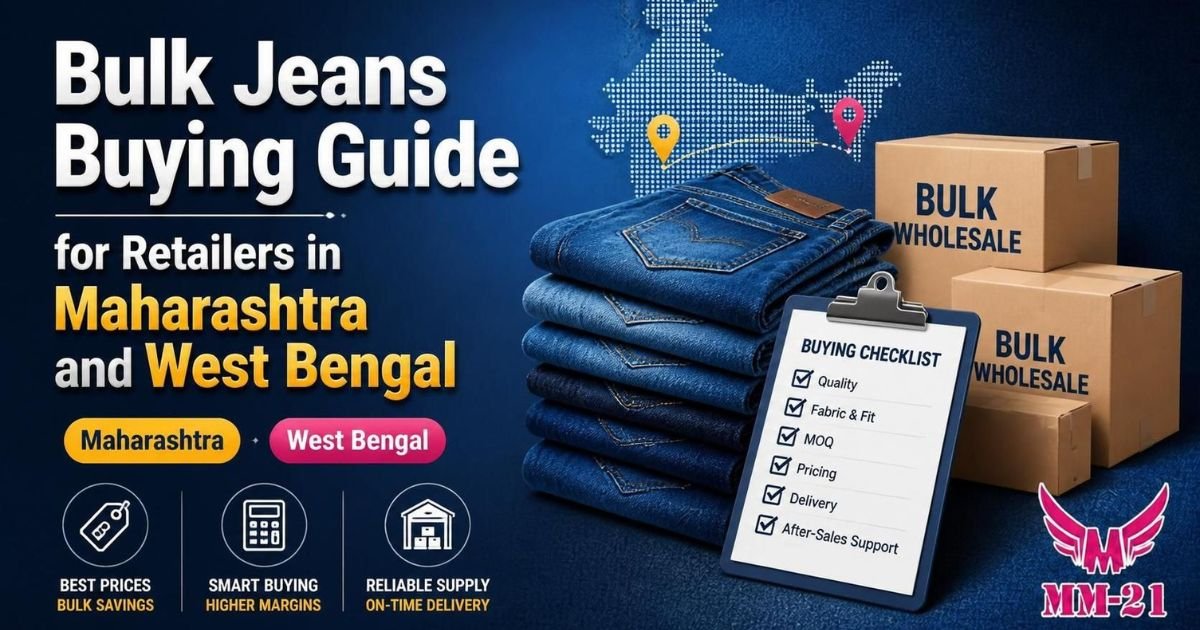
Bulk Jeans Buying Guide for Retailers in Maharashtra and West Bengal

If you run a jeans retail business in Maharashtra or West Bengal, you already know the challenge: the best wholesale jeans prices in India come from Ahmedabad — but sourcing from a city 1,000+ kilometres away feels complicated.

How do you verify quality without visiting in person? How do you handle shipping and returns? What are the minimum order quantities? Is it really worth buying directly from an Ahmedabad manufacturer instead of your local wholesale market?

The answer is yes — and this guide tells you exactly how to do it.

Whether you’re in Mumbai, Pune, Nagpur, Kolkata, or any smaller town in Maharashtra or West Bengal, this is your complete roadmap to sourcing bulk jeans directly from India’s denim manufacturing capital.

Why Retailers in Maharashtra & West Bengal Should Source from Ahmedabad

Most retailers in Maharashtra and West Bengal currently buy from:

  • Local wholesale markets (Crawford Market in Mumbai, Metiabruz in Kolkata)
  • Regional distributors who add 15–25% on top of manufacturer prices
  • Online B2B platforms like IndiaMART (quality inconsistent, MOQ varies)

Here’s what you’re missing by not going direct:

Sourcing Method Price Level Quality Control Variety
Local wholesale market High (2–3 middlemen) Low Limited
Regional distributor Medium-High (1–2 middlemen) Medium Medium
B2B platform (IndiaMART) Medium Inconsistent High
Direct from Ahmedabad manufacturer Lowest (factory-direct) High Highest

The difference in cost: Buying directly from a wholesale jeans manufacturer and supplier in Ahmedabad, Gujarat, typically saves retailers 25–40% compared to buying through local distributors.

On a ₹1,00,000 monthly stock purchase, that’s ₹25,000–₹40,000 in savings — every single month.

Part 1: Understanding the Maharashtra Jeans Market

Maharashtra is India’s largest state economy — and one of the most diverse jeans markets in the country. Different cities have very different demand patterns.

Mumbai

  • Market type: Urban, fashion-forward, price-conscious but quality-aware
  • Top-selling styles: Slim fit, skinny, high-waist women’s jeans, cargo for men
  • Price range customers accept: ₹400–₹1,200 retail
  • Key buying seasons: Pre-festive (August–October), New Year (December–January)

Pune

  • Market type: Young population (students + IT professionals), trend-aware
  • Top-selling styles: Baggy jeans, joggers, stretch skinny, women’s cargo
  • Price range: ₹400–₹1,500 retail
  • Key buying seasons: College season (June–July), festive (October–November)

Nagpur

  • Market type: Mix of urban and semi-urban, value-conscious
  • Top selling styles: Classic straight fit, stone wash, mid-rise women’s jeans
  • Price range: ₹300–,₹800 retail
  • Key buying seasons: Diwali (October–November), summer (March–April)

Nashik, Aurangabad, Kolhapur (Tier 2 Maharashtra)

  • Market type: Traditional retail, function over fashion
  • Top-selling styles: Straight-fit men’s, classic women’s jeans, basic stretch
  • Price range: ₹250–₹700 retail
  • Key buying seasons: Navratri, Diwali, wedding season

What to Stock for Maharashtra Overall:

  • Women’s jeans: High demand across all cities — slim fit, skinny, high waist, cargo
  • Men’s jeans: Strong straight-fit demand, growing cargo and baggy in metros
  • Mix of stretch and non-stretch — lean toward stretch for Mumbai/Pune, more rigid for Nagpur/Nashik

Explore women’s wholesale jeans collection and men’s wholesale jeans collection to find styles that match Maharashtra’s market.

Part 2: Understanding the West Bengal Jeans Market

West Bengal — especially Kolkata — is one of India’s most style-conscious fashion markets, but with a very different sensibility from Mumbai or Delhi.

Kolkata

  • Market type: Fashion-aware, strong preference for value + style balance
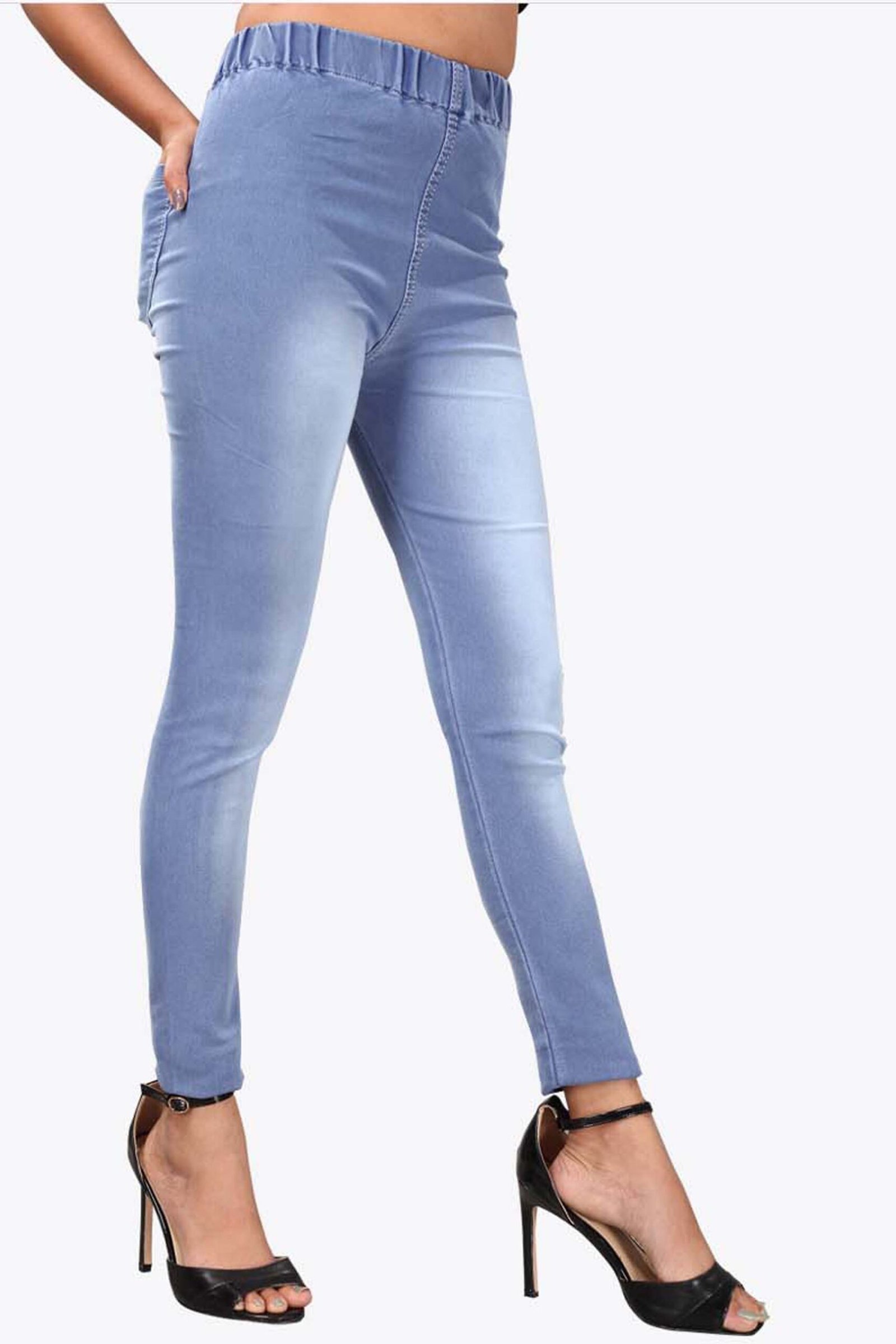
  • Top-selling styles: Slim fit, straight fit, women’s jeggings, capri
  • Price range: ₹300–₹1,000 retail
  • Key buying seasons: Durga Puja (October) is THE biggest buying season — stock up 2 months early

Howrah, Asansol, Durgapur (Industrial Belt)

  • Market type: Working-class and middle-income, practical buyers
  • Top-selling styles: Classic straight fit, basic stretch jeans, men’s trousers
  • Price range: ₹250–₹600 retail
  • Key buying seasons: Durga Puja, Eid (for Muslim-majority areas)

Siliguri & North Bengal

  • Market type: Gateway to Northeast India — also supplies retailers in Assam, Meghalaya
  • Top-selling styles: Mid-weight straight fit, women’s jeans (slim + straight), men’s cargo
  • Price range: ₹300–₹800 retail
  • Key buying seasons: Durga Puja, Christmas (significant Christian population nearby)

Climate Consideration for West Bengal:

West Bengal is hot and humid for most of the year — this matters when choosing denim weight.

  • Recommended fabric weight: 7–9 oz maximum for most of the year
  • Stretch denim is preferred – more comfortable in humid weather
  • Avoid stocking 12+ oz heavy denim in bulk — there is very low demand except in winter months

Part 3: How to Source Jeans from Ahmedabad — Step by Step

Here’s exactly how a retailer in Maharashtra or West Bengal can start buying directly from an Ahmedabad-based wholesale jeans supplier in India:

Step 1: Identify Your Requirements

Before contacting any manufacturer, know:

  • Which styles do you need? (men’s / women’s / both)
  • What quantity? (total pieces per order)
  • What price range are you targeting?
  • Do you need a GST invoice?

Step 2: Contact the Manufacturer

  • Reach out via WhatsApp, phone, or website contact form
  • Share your requirements clearly
  • Ask for a catalogue with prices and MOQ details
  • Request fabric details — weight, stretch percentage, wash type

Step 3: Request Samples

  • Always request 5–10 sample pieces before a bulk order
  • Most manufacturers ship samples at cost price + shipping
  • Test quality thoroughly (refer to our denim fabric quality guide for what to check)

Step 4: Confirm MOQ and Pricing

  • Negotiate based on your order volume
  • Larger orders = better per-piece pricing
  • Confirm: per piece price, GST rate, packaging, and shipping terms

Step 5: Place Your Order

  • Confirm payment terms (advance / partial advance / credit for established buyers)
  • Share delivery address and preferred courier
  • Get a written order confirmation with itemized details

Step 6: Track Shipment & Inspect on Arrival

  • Most Ahmedabad manufacturers ship via DTDC, Delhivery, BlueDart, or transport
  • Transit time to Maharashtra: 2–4 days
  • Transit time to West Bengal: 4–6 days
  • Inspect pieces on arrival before signing delivery receipt

Part 4: Shipping from Ahmedabad to Maharashtra & West Bengal

One of the biggest concerns for out-of-state retailers: shipping costs and reliability.

Here’s the reality:

Shipping Costs (Approximate)

Destination Weight Estimated Cost
Mumbai 10 kg ₹200–₹350
Pune 10 kg ₹220–₹380
Nagpur 10 kg ₹250–₹400
Kolkata 10 kg ₹300–₹500
Siliguri 10 kg ₹350–₹550

Note: For large bulk orders (50 kg+), surface transport (truck) is significantly cheaper than courier — ask your manufacturer about transport options for bigger orders.

Transit Times

  • Ahmedabad → Mumbai/Pune: 2–3 days (courier), 3–4 days (surface)
  • Ahmedabad → Nagpur: 3–4 days (courier), 4–5 days (surface)
  • Ahmedabad → Kolkata: 4–5 days (courier), 5–7 days (surface)

Tips for Smooth Shipping:

  • Always get a tracking number before the manufacturer dispatches
  • For large orders, ask for insurance on the shipment
  • Confirm if the manufacturer uses trusted couriers (Delhivery, BlueDart, DTDC)
  • For regular bulk orders, many manufacturers offer free or subsidized shipping above a certain order value

Part 5: MOQ Guide for Out-of-State Retailers

Minimum Order Quantity (MOQ) is often the biggest barrier for new retailers thinking about sourcing directly from manufacturers.

Here’s a realistic breakdown:

Supplier Type MOQ Suited For
Large factory 500–1000 pieces Large distributors only
Mid-size manufacturer 100–300 pieces Established retailers
Retail-friendly manufacturer 24–100 pieces New and growing retailers

The good news: Many Ahmedabad manufacturers — including Mala Merchant — offer retailer-friendly MOQs that make direct sourcing accessible even if you’re placing your first out-of-state order.

For a retailer in Pune or Kolkata placing their first order, a 50–100 piece order across 3–5 styles is a practical starting point. This gives you enough variety without over-committing budget.

Contact our wholesale jeans team to discuss MOQ options suited to your business size.

Part 6: GST & Billing — What You Need to Know for Inter-State Purchases

Buying from Gujarat when you’re in Maharashtra or West Bengal involves inter-state GST (IGST) — here’s what you need to know:

GST on Jeans / Denim Garments:

  • HSN Code: 6203 (Men’s), 6204 (Women’s)
  • GST Rate: 12% on garments priced above ₹1,000 MRP; 5% below ₹1,000 MRP

For Inter-State Purchase (Gujarat → Maharashtra / West Bengal):

  • Supplier charges IGST (Integrated GST) on the invoice
  • You claim this as Input Tax Credit (ITC) against your output GST
  • Net effect: you effectively pay zero GST if you’re a GST-registered retailer

What You Need:

  • Your GSTIN (GST Identification Number)
  • Supplier’s GSTIN
  • Proper tax invoice from the manufacturer

Always buy from a manufacturer who issues proper GST invoices. Unregistered suppliers or those issuing informal bills cannot give you an ITC benefit — and this is a significant financial loss on bulk orders.

Part 7: Building a Seasonal Buying Calendar

Timing your orders right is as important as sourcing right. Here’s a buying calendar tailored for Maharashtra and West Bengal retailers:

Maharashtra Buying Calendar:

Month Action Reason
January Restock summer styles Pre-summer demand
March–April Buy light denim, women’s jeans Summer buying peak
June–July Stock up for monsoon + college season Pune college market
August Place pre-festive bulk order Navratri, Dussehra prep
September–October Festive season selling Navratri, Diwali
November Restock for winter North Maharashtra winter demand
December Year-end sales stock New Year buying

West Bengal Buying Calendar:

Month Action Reason
January–February Restock after winter Post-Puja inventory reset
April Summer stock order Hot season begins
July–August CRITICAL: Place Durga Puja order Puja is the biggest season
September–October Durga Puja selling season Highest sales of the year
November Post-Puja restock Winter begins, demand continues
December Christmas + New Year stock Siliguri and North Bengal

Key Insight for West Bengal Retailers: Durga Puja (October) accounts for 30–40% of annual fashion retail sales in Kolkata. Place your bulk order by mid-August at the latest to ensure stock arrives in time.

Why Mala Merchant is the Right Supplier for Maharashtra & West Bengal Retailers

Mala Merchant is a trusted women’s jeans manufacturer and supplier in India based in Ahmedabad, Gujarat – serving retailers across all states, including Maharashtra and West Bengal.

What makes Mala Merchant the right partner for out-of-state retailers:

  • Factory-direct pricing — no middlemen, no hidden margins
  • Pan-India shipping — reliable courier and transport to all states
  • GST-compliant billing — proper IGST invoices for ITC benefit
  • Retailer-friendly MOQ — suitable for both new and established retailers
  • Wide variety — men’s, women’s, all categories and fits
  • Consistent quality — verified fabric specs and construction standards
  • Responsive support — WhatsApp and call support for order queries

Explore the full wholesale denim collection — or contact our team directly to discuss your requirements.

You can also explore location-specific pages:

Complete Checklist for Maharashtra & West Bengal Retailers

  • [ ] Identified your city’s demand pattern (metro vs Tier 2/3)
  • [ ] Listed styles needed — men’s, women’s, or both
  • [ ] Set your seasonal buying calendar
  • [ ] Contacted 2–3 Ahmedabad manufacturers for catalogues and pricing
  • [ ] Placed sample order and verified quality
  • [ ] Confirmed GST registration for ITC benefit on inter-state purchase
  • [ ] Confirmed MOQ and shipping terms
  • [ ] Planned order timing — especially for Diwali (Maharashtra) and Durga Puja (West Bengal)

Frequently Asked Questions

What fabric weight is best for jeans in India?


For most Indian markets, 7–10 oz is ideal — comfortable in warm weather while being durable enough for daily wear. For North India winter stock, 11–13 oz works well.

How do I test denim quality before placing a bulk order?


Request sample pieces and check stitching at stress points, zipper quality, colour fastness (rub test), shrinkage after one wash, and size consistency across multiple pieces.

What is the difference between stretch and non-stretch denim?


Non-stretch denim is 100% cotton — more durable and structured. Stretch denim contains 1–5% elastane — more comfortable and flexible. For women’s jeans and slim fits, stretch is preferred. For men’s classic styles, non-stretch or low stretch (1–2%) works better.

Why do some jeans fade or bleed colour after one wash?


This is a dye quality and colour fastness issue. Always perform a rub test with a wet white cloth on any new sample before bulk ordering. Good quality jeans from a reliable denim jeans manufacturer should have minimal colour transfer.

What should I ask a wholesale jeans manufacturer before ordering?


Ask for fabric weight (oz), elastane percentage, weave type, wash process, SPI (stitches per inch), and whether they provide GST-compliant invoicing. A manufacturer who answers all these confidently is reliable.

Ready to Source Jeans Directly from Ahmedabad?

Get factory-direct pricing, low MOQs, and pan-India delivery.
Categories
Blog

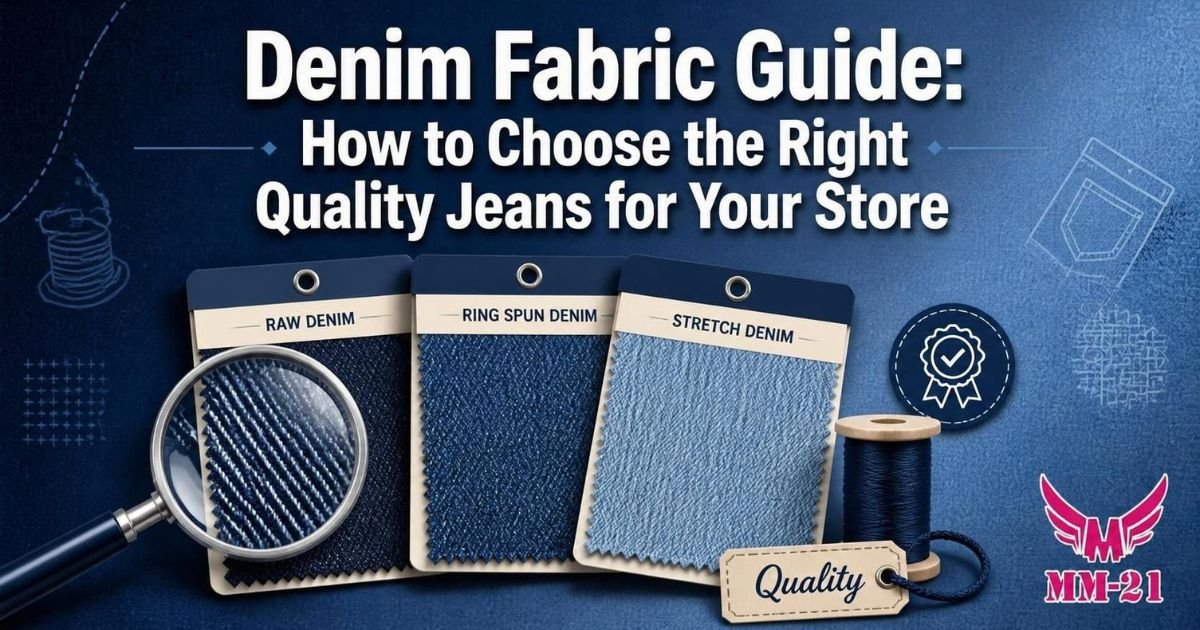
Denim Fabric Guide: How to Choose the Right Quality Jeans for Your Store

You place a bulk order. The jeans arrive. They look great in the packaging. Your customers buy them. Then, within 2 weeks, the complaints start. Colour fading after one wash. Zipper breaking. Waistband stretching out of shape. Stitching coming loose at the pocket.

Sound familiar?

Most retail losses in the jeans business don’t come from buying the wrong style. They come from buying the wrong fabric and construction quality. And the frustrating part? Most retailers don’t know how to evaluate denim quality before placing an order.

This guide changes that. If you are buying from a denim jeans manufacturer Ahmedabad or sourcing from a wholesale market here is exactly what to look for. Fabric weight, stretch, wash type construction, quality and what works best for the Indian market.

Part 1: Understanding Denim Fabric Weight (OZ)

The single most important number in denim quality is fabric weight, measured in ounces per square yard (oz).

Weight Category Best For
4–6 oz Lightweight / Summer Denim Jeggings, summer jeans, women’s slim fit
7–9 oz Mid-weight Everyday jeans, joggers, casual styles
10–12 oz Standard Denim Classic straight fit, cargo jeans, trousers
13–16 oz Heavy Denim Raw denim, premium styles, winter wear
16 oz+ Selvedge / Raw Denim Premium/luxury segment only

What Does This Mean for Indian Retailers?

India’s climate is largely warm and humid for 8–9 months of the year. This means:

  • 7–10 oz is the sweet spot for most Indian markets – comfortable year-round
  • 4–6 oz works well for women’s jeggings, capris, and summer styles
  • 12+ oz is best kept for North India winter stock (October–January)
  • Avoid stocking heavy denim in coastal cities like Mumbai, Chennai, and Kolkata

Pro Tip: Always ask your bulk denim jeans supplier for the fabric weight (in oz) before placing an order. A supplier who can’t tell you the weight is a red flag.

Part 2: Stretch vs Non-Stretch Denim — Which Should You Stock?

This is the question every retailer asks. Here’s the honest answer: both, in the right proportions.

Non-Stretch (Rigid) Denim

  • Composition: 100% cotton
  • Feel: Stiff initially, softens with wear
  • Durability: Higher — holds shape longer
  • Best for: Classic straight fit, raw denim styles, men’s formal-casual trousers
  • Customer segment: Men 30+, buyers who prioritize durability over comfort

Stretch Denim

  • Composition: Cotton + 1–3% Elastane (Lycra/Spandex)
  • Feel: Flexible and comfortable from day one
  • Durability: Slightly lower than rigid – elastane degrades over time
  • Best for: Skinny jeans, slim fit, jeggings, women’s jeans, high-waist styles
  • Customer segment: Women all ages, younger men, active lifestyle buyers

Super Stretch / Power Stretch Denim

  • Composition: Cotton + 3–5% Elastane
  • Feel: Almost legging-like flexibility
  • Best for: Jeggings, maternity wear, plus-size styles
  • Note: Higher elastane equals higher cost but also higher customer satisfaction in comfort-first categories

Stock Ratio Recommendation:

Denim Type Men’s Store Women’s Store Mixed Store
Non-Stretch 50% 20% 35%
Stretch (1–3%) 40% 50% 45%
Super Stretch (3–5%) 10% 30% 20%

A good stretch denim jeggings manufacturer will clearly label the elastane percentage on the product. Always check this before bulk ordering

Part 3: Denim Weave Types — What’s Inside the Fabric

Most retailers have never heard of denim weave types — but this affects how the jeans look, feel, and last.

3×1 Twill Weave (Standard Denim)

  • The most common denim construction
  • Classic diagonal ribbing on the inside
  • Balanced durability and comfort
  • Used in straight fit, cargo, classic jeans

2×1 Twill Weave (Lighter Denim)

  • Thinner, lighter feel
  • Less durable but more comfortable in heat
  • Used in: summer jeans, lightweight women’s styles

Broken Twill Weave

  • Zigzag pattern — reduces “leg twist” (the annoying diagonal pull that happens in regular jeans after multiple washes)
  • Higher quality indicator
  • Used in: premium stretch jeans, slim-fit styles

Dobby / Textured Weave

  • Adds texture and visual interest to the fabric
  • Used in: fashion-forward styles, embroidered or patterned jeans

What to Ask Your Manufacturer: “Is this a 3×1 or 2×1 twill?” — a manufacturer who answers confidently knows their product.

Part 4: Denim Wash Types — Understanding the Finish

The “wash” of jeans refers to the finishing treatment applied after weaving. This determines the final colour, texture, and look of the product.

Wash Type Look Best Selling Market
Raw / Dry Denim Dark, untreated, stiff Premium buyers, enthusiasts
Rinse Wash Clean dark blue, minimal fading Pan-India, all segments
Stone Wash Soft, faded, casual look Mass market, Tier 2/3 cities
Acid Wash High contrast, vintage patches Youth/fashion market
Sand Blast / Sand Wash Uniform light fading Casual wear, summer
Enzyme Wash Soft texture, slight fade Comfort-focused buyers
Whiskering Natural-looking creases at thighs Slim fit, fashion styles

Wash Recommendations by Market:

Metro Cities (Mumbai, Delhi, Bangalore):

  • Mix of rinse wash, whiskering, and acid wash
  • Fashion-forward customers want variety

Tier 2 Cities (Ahmedabad, Surat, Jaipur, and Lucknow):

  • Stone wash and rinse wash are the safest bets
  • Avoid heavy acid wash – too fashion-forward for mainstream buyers

Tier 3 Cities & Towns:

  • Rinse wash and stone wash almost exclusively
  • Simple, clean looks sell best

Part 5: Construction Quality — What to Check Before Bulk Ordering

Fabric is only half the story. Construction quality determines whether jeans last 6 months or 3 years. Here’s your physical inspection checklist:

1. Stitching Quality

  • Check: Stress points — crotch seam, pocket corners, belt loop attachment, zipper base
  • Good sign: Tight, even stitching with no loose threads
  • Red flag: Skipped stitches, loose thread ends, uneven seam width

2. Stitch Count (SPI — Stitches Per Inch)

  • Standard: 10–12 SPI for regular denim
  • Premium: 12–14 SPI
  • Low quality: Below 8 SPI — jeans will come apart at stress points quickly
  • How to check: Count stitches along a 1-inch section of the outseam

3. Zipper Quality

  • Brands to look for: YKK, Opti, Riri (in premium)
  • Test: Open and close 10 times — it should glide smoothly
  • Red flag: Zipper catching fabric, slider moving too loosely

4. Button & Rivet Quality

  • Buttons should be riveted, not just sewn
  • Rivets at pocket corners indicate higher-quality construction
  • Test: Pull the pocket firmly — it should not tear away from the jeans’ body

5. Waistband Construction

  • Good quality waistbands use canvas interfacing inside for stiffness
  • Test: Fold the waistband — it should spring back to shape, not stay creased
  • Stretch waistbands should return to original size after stretching

6. Color Fastness Test

  • Wet a white cloth and rub firmly against the inside of the jeans
  • Acceptable: Very slight color transfer
  • Red flag: Heavy color transfer — the dye will bleed onto the customer’s skin and other clothing after purchase

7. Shrinkage Test

  • Wash one sample piece before bulk ordering
  • Acceptable: Up to 3% shrinkage
  • Red flag: More than 5% shrinkage — your size 32 will become a size 30 after first wash

Part 6: Fit-Specific Fabric Recommendations

Different fits require different fabrics. Here’s what to look for when buying specific styles:

Skinny Jeans

  • Needs: 2–4% elastane minimum for wearability
  • Fabric weight: 7–9 oz
  • Key quality check: Knee area — this is where skinny jeans wear out first
  • Source from a reliable skinny jeans manufacturer who uses reinforced knee construction

Straight-Fit Jeans

  • Needs: Can be rigid or 1–2% stretch
  • Fabric weight: 10–12 oz for durability
  • Key quality check: Crotch seam — straight-fit jeans see the most stress here
  • Best for volume stocking — buy from a straight-fit jeans manufacturer with consistent sizing

Wide Leg / Baggy Jeans

  • Needs: Medium-weight fabric — too light and it won’t drape well
  • Fabric weight: 9–11 oz
  • Key quality check: Waistband fit — wide-leg buyers are often unhappy if the waist is too tight relative to the leg width
  • Source from a wide-leg jeans manufacturer with proper grading across sizes

High-waisted Jeans

  • Needs: Good waistband construction — canvas interfacing essential
  • Fabric weight: 8–10 oz with stretch preferred
  • Key quality check: Back waistband height consistency across sizes
  • A reliable high-waist jeans manufacturer will have consistent 11–13 inch rise measurements

Mom-fit jeans

  • Needs: Mid-weight fabric with slight stretch for comfort
  • Fabric weight: 9–11 oz
  • Key quality check: Thigh area — mom fit has extra room here; fabric should not pucker
  • Source from a mom-fit jeans manufacturer who understands relaxed-fit grading

Cargo Jeans

  • Needs: Heavier, more durable fabric — cargo pockets add stress to the fabric
  • Fabric weight: 11–13 oz
  • Key quality check: Pocket attachment stitching — this is where cheap cargo jeans fail first
  • A good denim cargo jeans manufacturer uses double stitching on all pocket attachments

Part 7: What Works Best in the Indian Climate

India is not one market — it’s 28 different climates. Here’s a quick guide:

Region Climate Recommended Fabric
North India (Delhi, Punjab, UP) Hot summers, cold winters 7–9 oz summer, 11–13 oz winter
West India (Gujarat, Maharashtra, Rajasthan) Hot and dry 7–10 oz, light stretch
South India (Tamil Nadu, Karnataka, Kerala) Humid year-round 6–8 oz, lightweight stretch
East India (West Bengal, Odisha) Hot and humid 6–8 oz, avoid heavy denim
Northeast India Moderate, rainy 8–10 oz, moisture-resistant finish
Hill Stations / Himachal / Uttarakhand Cool year-round 11–14 oz, heavier denim

Your Pre-Order Quality Checklist

Before confirming any bulk order with a denim jeans manufacturer, go through this checklist:

  • [ ] Confirmed fabric weight in oz
  • [ ] Confirmed elastane percentage (if stretch)
  • [ ] Checked weave type (3×1 or 2×1 twill)
  • [ ] Verified wash type matches your market
  • [ ] Checked stitching at stress points
  • [ ] Counted SPI (minimum 10)
  • [ ] Tested zipper open/close 10 times
  • [ ] Performed color fastness test
  • [ ] Washed one sample — checked for shrinkage
  • [ ] Verified size consistency across 3+ pieces

Why Manufacturer Quality Matters More Than Price

The biggest mistake retailers make is choosing the cheapest bulk denim jeans supplier without verifying quality. A ₹50 saving per piece means nothing if 30% of your stock comes back as returns within a month.

The right manufacturer — one who is transparent about fabric specs, consistent in construction, and responsive when there are quality issues — is worth paying slightly more for.

Mala Merchant’s wholesale denim collection is produced with verified fabric weights, quality-tested construction, and consistent sizing. Explore styles including:

Frequently Asked Questions

What fabric weight is best for jeans in India?


For most Indian markets, 7–10 oz is ideal — comfortable in warm weather while being durable enough for daily wear. For North India winter stock, 11–13 oz works well.

How do I test denim quality before placing a bulk order?


Request sample pieces and check stitching at stress points, zipper quality, colour fastness (rub test), shrinkage after one wash, and size consistency across multiple pieces.

What is the difference between stretch and non-stretch denim?


Non-stretch denim is 100% cotton — more durable and structured. Stretch denim contains 1–5% elastane — more comfortable and flexible. For women’s jeans and slim fits, stretch is preferred. For men’s classic styles, non-stretch or low stretch (1–2%) works better.

Why do some jeans fade or bleed colour after one wash?


This is a dye quality and colour fastness issue. Always perform a rub test with a wet white cloth on any new sample before bulk ordering. Good quality jeans from a reliable denim jeans manufacturer should have minimal colour transfer.

What should I ask a wholesale jeans manufacturer before ordering?


Ask for fabric weight (oz), elastane percentage, weave type, wash process, SPI (stitches per inch), and whether they provide GST-compliant invoicing. A manufacturer who answers all these confidently is reliable.

Need a Reliable Denim Jeans Manufacturer for Bulk Orders?

Compare fabric, stitching, sizing, and washes. Get factory-direct pricing for bulk denim orders.

Categories
Blog

Men’s Jeans Trends 2026: What Wholesale Retailers Should Stock This Season

Every season, buying trends shift. The retailer who stocks the right styles in February sells out by April. The one who plays it safe with last year’s inventory is left with dead stock by June.

2026 is shaping up to be a defining year for men’s denim in India, with a clear shift away from ultra-slim silhouettes toward relaxed, functional, and streetwear-inspired styles. If you’re building your men’s jeans wholesale collection for this season, this guide will tell you exactly what to buy, what to avoid, and how much of each style to stock.

Let’s break it down.

Why Men’s Jeans Are a Smart Wholesale Investment in 2026

Before we get into trends, here’s why men’s jeans deserve a bigger share of your wholesale budget this year:

  • Higher average selling price compared to women’s casual wear
  • Lower return rates — men buy for fit and durability, not impulse
  • Repeat customers — once a man finds a fit he likes, he buys the same style repeatedly
  • Growing demand in Tier 2 & 3 cities — rising disposable income driving denim adoption
  • Year-round demand — unlike seasonal categories, jeans sell in every month

Retailers buying bulk men’s jeans at factory direct prices from Ahmedabad-based manufacturers are seeing 40–60% better margins compared to buying from local distributors.

Trend #1: Baggy & Wide-Leg Jeans — The Biggest Shift of 2026

The slim-fit era is officially over for the fashion-forward buyer. Baggy jeans and wide-leg fits are dominating youth fashion across India — from college campuses to wedding functions to street markets.

What This Means for Retailers:

  • Stock in sizes 28 to 38 — the demand is coming from younger buyers (18–30) who want room and comfort
  • Dark wash and mid-wash are the top-selling colors in this silhouette
  • Look for relaxed waistband options — high-waisted baggies are especially trending among 20–25 age group

Key Styles to Buy:

  • Baggy straight cut
  • Wide leg with cargo pockets (double trend benefit)
  • Relaxed fit with distressed detailing

Stock Recommendation: 25–30% of your men’s jeans budget in this category

Trend #2: Cargo Jeans & Cargo Pants — Function Meets Fashion

‘Cargo pants for men wholesale’ is one of the fastest-growing search terms among Indian retailers right now — and for good reason. The utility-fashion crossover is here to stay in 2026.

Why Cargo is Winning:

  • Appeals to both youth fashion buyers AND practical, everyday wear shoppers
  • Higher perceived value — customers are willing to pay more for cargo styles
  • Works across seasons — lighter fabrics in summer, heavier in winter
  • Strong demand from Tier 2 cities where workwear-casual overlap is common

Key Cargo Styles to Stock:

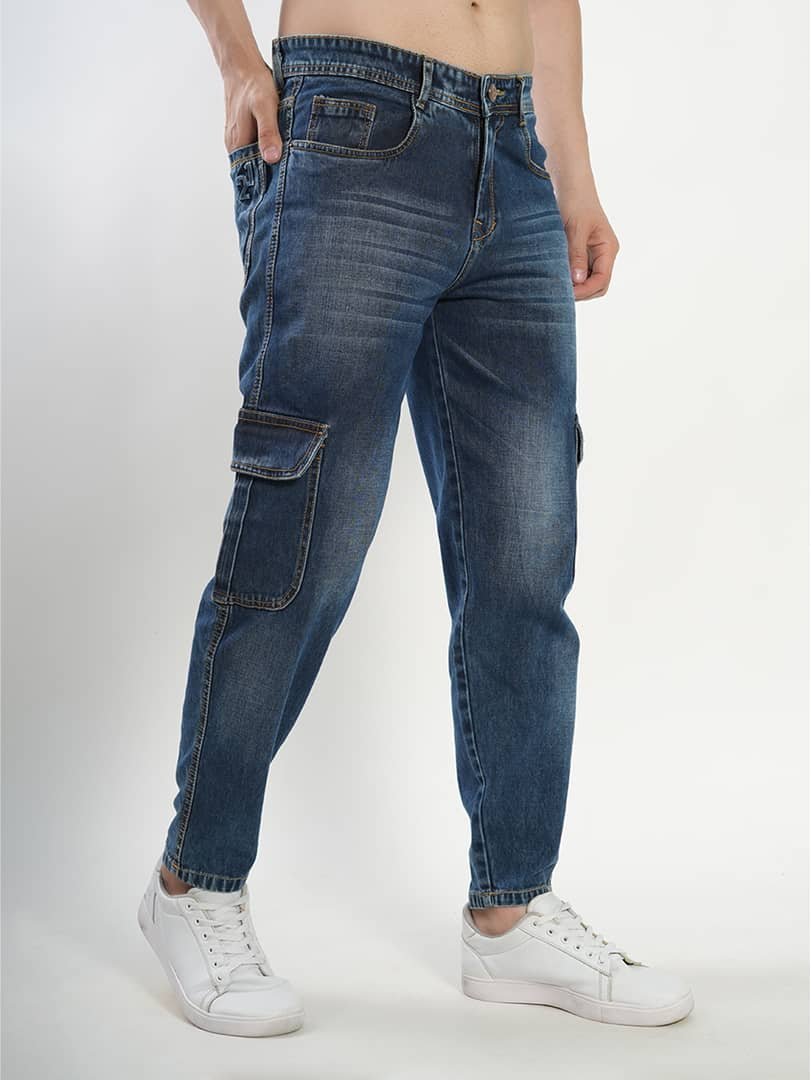
  • 6-pocket cargo jeans — the classic, always sells
  • Multi-pocket cargo pants with elastic ankles — streetwear segment
  • Relaxed-fit cargo in olive, khaki, and black (not just denim)
  • Wide-leg cargo in denim — combines two major trends

Sizes to Focus On:

30, 32, and 34 are your core movers. Stock 36 and 38 as well – demand for larger sizes in men’s cargo is significantly underserved in most retail stores.

Browse Mala Merchant’s wholesale men’s cargo jeans — factory-direct pricing with pan-India delivery.

Stock Recommendation: 20–25% of your men’s jeans budget in cargo styles

Trend #3: Men’s Joggers — The Casual Comfort Revolution

The men’s joggers wholesale collection has been growing steadily since 2022, but 2026 is the year it fully mainstreamed. The work-from-home culture, gym culture, and casual Friday dressing have all converged to make joggers a wardrobe staple — not just activewear.

What’s Selling in Joggers 2026:

  • Denim joggers — the perfect hybrid between jeans and joggers; huge demand from 20–35 age group
  • Cotton joggers with side pockets — everyday casual wear
  • Tapered joggers — smarter look, works for casual office environments
  • Printed/textured joggers — for fashion-forward buyers in urban markets

Retailer Insight:

Joggers have one of the highest reorder rates of any men’s bottom wear. Once a customer finds a comfortable pair, they typically come back for 2–3 more pairs within 60 days.

Stock Recommendation: 15–20% of your men’s budget in joggers

Trend #4: Straight-Fit Jeans — The Evergreen Bestseller

While baggy and cargo grab the trend headlines, straight-fit jeans remain the single highest-volume seller for most men’s retailers in India. This is the style your volume business is built on.

Why Straight Fit Never Stops Selling:

  • Acceptable across all age groups (18–55+)
  • Works for casual AND semi-formal occasions
  • First choice for Tier 2 and Tier 3 city buyers
  • Easy to size — less fitting room trial needed

2026 Updates to Classic Straight Fit:

  • Stretch straight fit — added comfort without losing the clean silhouette
  • Mid-rise straight — replacing the low-rise styles of the 2010s
  • Dark indigo straight — smart-casual crossover for office wear

Check the complete men’s wholesale jeans collection for straight-fit options available at bulk prices.

Stock Recommendation: 25–30% of your men’s budget in straight fit — this is your anchor category

Trend #5: Men’s Trousers — The Smart Casual Segment

The men’s trouser collection is the often-overlooked growth category in men’s wholesale. As Indian workplaces increasingly adopt “smart casual” dress codes, formal-style trousers are being replaced by structured denim and cotton trousers that work in both office and casual settings.

What’s Moving in Men’s Trousers 2026:

  • Slim tapered cotton trousers — office wear meets weekend style
  • Flat-front formal trousers in dark tones — corporate buyers
  • Stretch trousers — comfort for all-day wear
  • Linen blend trousers — summer season demand

Who’s Buying?

  • Corporate employees buying for office wear
  • Wedding season buyers (trouser-kurta combinations are trending)
  • Older demographic (35–55) who want a clean, non-denim look

Stock Recommendation: 10–15% of your men’s budget in trouser styles

What NOT to Stock in 2026

Just as important as knowing what to buy is knowing what to avoid:

Style Why to Avoid
Ultra-skinny jeans The trend is firmly reversing – slow-moving inventory risk
Light blue distressed slim fit Oversaturated – every retailer has this
Low-rise jeans Mid- and high-rises have completely taken over
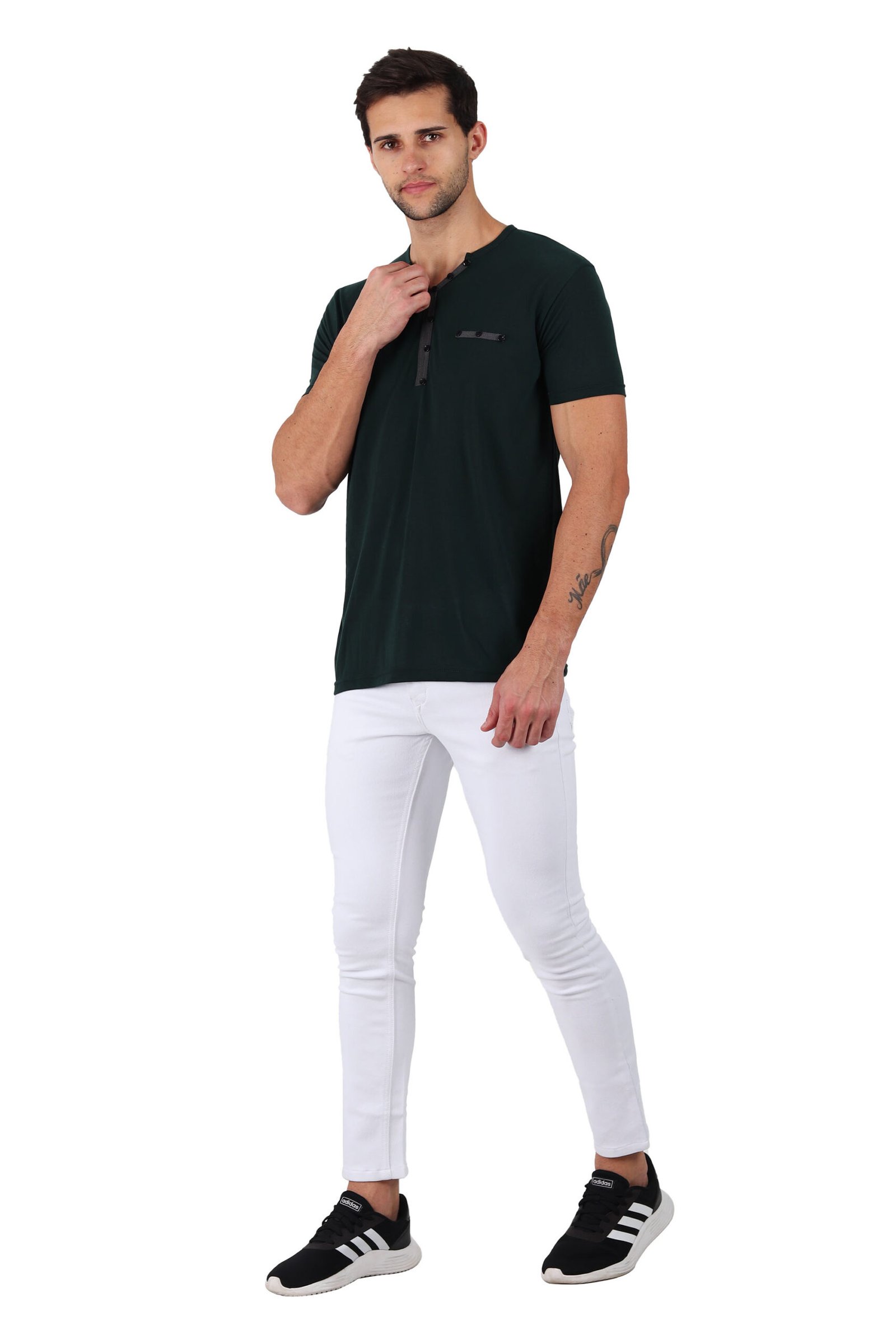
Plain white jeans (men’s) Very low demand outside metro cities

Size Distribution Guide for Men’s Wholesale Orders

One of the most common mistakes new retailers make: buying too many extreme sizes and not enough core sizes.

Recommended Size Split for a 100-Piece Men’s Jeans Order:

Size Recommended % Pieces (per 100)
28 8% 8
30 20% 20
32 25% 25
34 22% 22
36 15% 15
38 10% 10

Note: If you’re in a college town or youth-heavy market, increase size 28–30 shares. If you’re in a family/residential market, increase 34–38.

Color Trends for Men’s Jeans 2026

Color Trend Status Best Style
Dark Indigo / Dark Wash ✅ Strong Straight fit, slim fit
Black Denim ✅ Growing Cargo, slim, jogger
Mid Blue Wash ✅ Steady All styles
Olive / Khaki ✅ Trending Cargo pants
Light Wash ⚠️ Slowing Baggy only
Grey Denim ✅ Emerging Wide leg, cargo
White (Men’s) ❌ Low demand Avoid bulk stocking


How to Build Your Men’s Wholesale Order for 2026

Here’s a simple framework for building your seasonal stock:

For a ₹1,00,000 Wholesale Budget:

Category Budget Share Amount
Straight-Fit Jeans 28% ₹28,000
Baggy / Wide Leg 25% ₹25,000
Cargo Jeans / Pants 22% ₹22,000
Joggers 15% ₹15,000
Trousers 10% ₹10,000

This gives you a balanced inventory that covers your volume sellers (straight fit) while capturing the high-margin trend categories (cargo and baggy).

Where to Source Men’s Wholesale Jeans in India

Ahmedabad remains India’s #1 destination for men’s wholesale jeans in Ahmedabad — and for good reason. The city’s denim manufacturing cluster produces over 40% of India’s total denim output.

When sourcing from Ahmedabad:

  • Look for direct manufacturers, not trading companies
  • Ask for factory visits or video calls to verify production capacity
  • Confirm GST-compliant invoicing before placing bulk orders
  • Check if they offer pan-India shipping with trackable logistics

Mala Merchant is a trusted wholesale jeans supplier in Gujarat, offering men’s jeans wholesale in Gujarat with factory-direct pricing, low MOQ, and shipping across India.

Quick Reference: Men’s Jeans 2026 Trend Checklist

  • [ ] Added baggy / wide-leg styles to stock (25–30% of budget)
  • [ ] Added cargo jeans and cargo pants (20–25% of budget)
  • [ ] Included denim and cotton joggers (15–20%)
  • [ ] Maintained straight fit as anchor category (25–30%)
  • [ ] Added some trouser styles for smart-casual buyers (10–15%)
  • [ ] Focused on dark wash, black, and olive colorways
  • [ ] Avoided ultra-skinny and low-rise styles
  • [ ] Sized up — stocked 36 and 38 adequately

Final Word: Stock Smart, Not Safe

The biggest risk in retail isn’t stocking the wrong trend — it’s playing it so safe that you have nothing exciting to show customers. In 2026, men’s denim is full of opportunity for retailers who are willing to try a few new silhouettes alongside their reliable bestsellers.

Buy from a manufacturer who can supply you with variety, low MOQ, and consistent quality – so you can test trends without overcommitting your budget.

Ready to build your men’s collection for 2026? Contact our wholesale jeans team at Mala Merchant – we’ll help you put together the right mix for your market.

Frequently Asked Questions (FAQ)

Q1. Which men’s jeans style is selling the most in India in 2026?

Straight fit remains the highest volume seller, but baggy jeans and cargo styles are the fastest-growing categories in 2026 — especially among buyers aged 18–35.

Q2. Where can I buy men’s wholesale jeans in Ahmedabad?

Ahmedabad’s Narol and Kalupur areas are known for men’s jeans wholesale in Ahmedabad. For factory-direct pricing, buying from a manufacturer like Mala Merchant gives better rates than wholesale market traders.

Q3. What is the minimum order for men’s wholesale jeans?

MOQ varies by manufacturer. Mala Merchant offers retailer-friendly MOQs. Contact us to discuss your requirements.

Q4. Are cargo pants still trending in 2026?

Yes — wholesale cargo pants for men are one of the strongest trends of 2026. Both denim and cotton cargo styles are in high demand across India.

Q5. What colours should I stock in men’s jeans for 2026?

Focus on dark indigo, black denim, mid-blue wash, and olive/khaki for cargo styles. Avoid overstocking light wash and white jeans in the men’s category.

Published by Mala Merchant | Wholesale Jeans Manufacturer in Ahmedabad, Gujarat
For bulk orders and retailer enquiries: malamerchant.in/contact-us/

Have a bulk requirement in mind?

Reach out through the contact of our wholesale jeans team; share your quantity, preferred styles, and delivery city, and the team will respond with pricing within one business day.

Categories
Blog

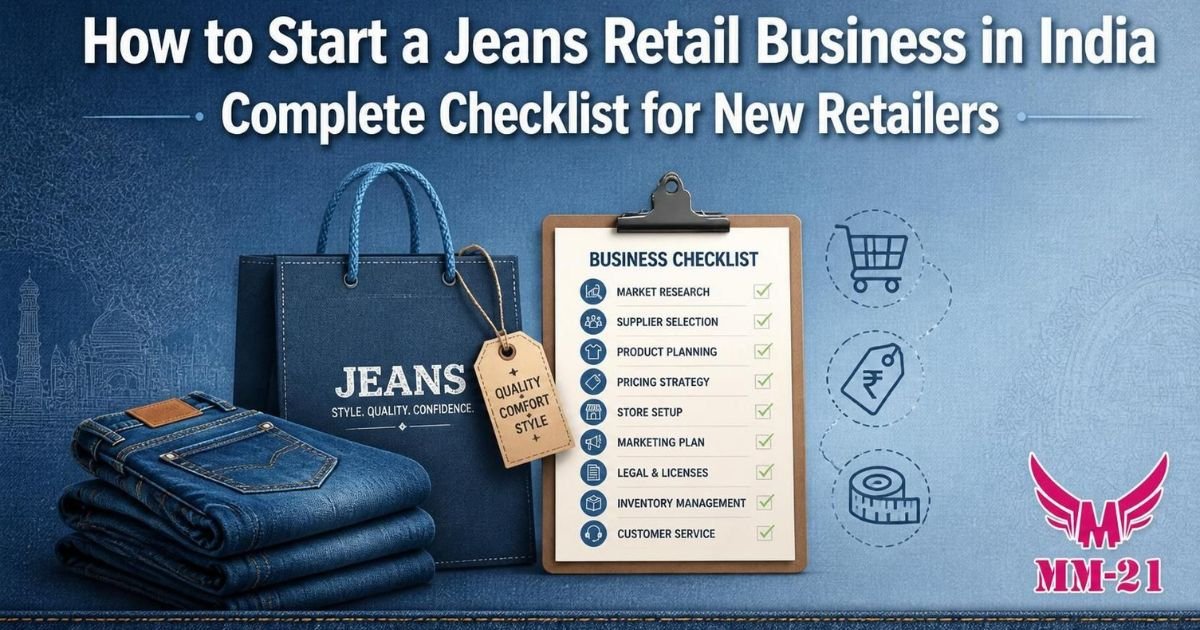
How to Start a Jeans Retail Business in India: Complete Checklist for New Retailers

India’s fashion retail market is growing at an incredible pace — and jeans are one of the highest-selling garments across every age group, city, and income segment. Whether you want to open a small boutique in your locality or build a full-scale wholesale distribution business, jeans retail is one of the most profitable categories to start with.

But how do you actually get started? What licenses do you need? How much investment is required? Where do you find a reliable wholesale jeans manufacturer in India?

This complete checklist covers everything a new retailer needs to know — from legal setup to your first bulk order.

Step 1: Decide Your Business Model

Before spending a single rupee, decide what kind of jeans retail business you want to run:

Business Model What It Means Investment Level
Retail Store Sell directly to end customers Medium
Wholesale Distribution Supply to smaller retailers Medium–High
Online Reselling Sell via Instagram, Meesho, Flipkart Low
Private Label Brand Sell under your own brand name Medium–High

Pro Tip: Many first-time retailers start with online reselling or a small store, then scale into wholesale distribution once they understand demand patterns in their area.

Step 2: Legal Setup & Registrations

This is the step most new retailers skip — and regret later. Here’s what you need:

GST Registration

  • Required when: Your annual turnover exceeds ₹20 lakhs (₹10 lakhs in special category states)
  • Why it matters: Without GST registration, you cannot buy from most jeans manufacturers in India at wholesale prices, as B2B invoices require GSTIN
  • How to apply: Visit GST Portal — takes 7–10 working days
  • HSN Code for Jeans/Denim: 6203 (Men’s), 6204 (Women’s)

Shop & Establishment License

  • Required for any physical retail store
  • Apply at your local Municipal Corporation office
  • Fee varies by city (typically ₹500–₹2,000)

MSME / Udyam Registration (Optional but Recommended)

  • Free registration on udyamregistration.gov.in
  • Helps you access government schemes, easier bank loans, and priority dealings with suppliers

Trade License

  • Required in most states for retail businesses
  • Apply through your local municipal body

Step 3: Understand Your Investment Requirements

One of the most common questions from new retailers: “How much money do I need?”

Here’s a realistic breakdown:

Expense Head Estimated Range
Shop Rent (monthly) ₹5,000 – ₹50,000+
First Bulk Stock Order ₹50,000 – ₹3,00,000
Shop Fitout & Racks ₹20,000 – ₹1,00,000
Branding & Bags ₹5,000 – ₹20,000
GST & Legal Setup ₹2,000 – ₹10,000
Working Capital ₹30,000 – ₹1,00,000

Total Minimum Start: ~₹1.5 to 2 lakhs for a small retail setup
Online Reselling Start: As low as ₹20,000–₹30,000

The biggest cost advantage comes from buying directly from a wholesale jeans manufacturer in India rather than going through multiple middlemen. Factory-direct wholesale pricing can save you 30–50% compared to buying from a local distributor.

Step 4: Research Your Target Market & Products

Not all jeans sell equally everywhere. Before placing your first order, understand:

What Sells in Your City/Market?

  • Metro cities (Mumbai, Delhi, Bangalore): High demand for slim fit, skinny, and trendy styles
  • Tier 2 cities (Ahmedabad, Surat, Jaipur): Mix of classic fits and value-for-money options
  • Tier 3 cities & towns: Basic straight fit, durable fabrics, affordable price points

Men vs Women vs Both?

  • Women’s jeans have higher repeat purchase frequency
  • Men’s jeans have higher average order value
  • Stocking both gives you maximum footfall

Core Product Categories to Start With:

  • Regular/Straight Fit Jeans — always in demand, safe to stock
  • Slim Fit Jeans — popular across age groups
  • Cargo Jeans/Pants — trending strongly in 2025–26
  • Joggers — casual wear demand is growing fast

Explore the full range from Mala Merchant’s men’s wholesale jeans collection and women’s wholesale jeans collection to understand what variety is available at wholesale prices.

Step 5: Find the Right Wholesale Jeans Supplier in India

This is the most critical step. The wrong supplier can destroy your margins, delay your stock, and hurt your reputation with customers. Here’s how to evaluate suppliers:

What to Look for in a Wholesale Jeans Manufacturer:

  • ✅ Factory-direct pricing (no middlemen)
  • ✅ Low Minimum Order Quantity (MOQ) — especially important for new retailers
  • ✅ Consistent quality across every batch
  • ✅ Variety of fits, sizes, and styles
  • ✅ Pan-India shipping capability
  • ✅ GST-compliant invoicing

Where to Find Wholesale Jeans Suppliers in India?

  • Ahmedabad is India’s largest denim manufacturing hub — cities like Kalupur and Narol have hundreds of jeans wholesale distributors
  • Surat — known for fabric and garment wholesale
  • Delhi (Gandhi Nagar) — large wholesale garment market
  • Mumbai (Dharavi, Kurla) — mixed garment wholesale

Why Buy Directly from a Manufacturer?

Jeans wholesale distributors add their own margins on top of the factory price. When you buy from a leading jeans manufacturing company like Mala Merchant directly, you get:

  • Lower per-piece cost
  • Better quality control
  • Direct communication for custom orders
  • Priority stock allocation

Browse the full wholesale denim collection to see what factory-direct pricing looks like.

Step 6: Place Your First Sample Order

Never place a large bulk order without testing the supplier first.

Sample Order Checklist:

  • [ ] Order 5–10 pieces across different styles
  • [ ] Check stitching quality at stress points (pockets, belt loops, zipper)
  • [ ] Wash the jeans 2–3 times — check for color fading, shrinkage
  • [ ] Check size consistency (a size 32 should be size 32 in every piece)
  • [ ] Evaluate packaging quality
  • [ ] Confirm delivery timeline matches what was promised

Once you’re satisfied with quality, you can confidently scale to bulk orders.

Step 7: Understand MOQ (Minimum Order Quantity)

MOQ varies widely between suppliers:

Supplier Type Typical MOQ
Large Manufacturer 100–500 pieces per style
Mid-size Manufacturer 50–100 pieces per style
Retail-Friendly Manufacturer 12–50 pieces per style

For new retailers, look for suppliers with low MOQ so you can test multiple styles without over-investing in a single product. A jeans wholesale supplier in Ahmedabad like Mala Merchant is known for working with retailers across all order sizes.

Step 8: Plan Your Pricing Strategy

Your retail price = Wholesale cost + Overhead + Profit margin

Standard Retail Markup for Jeans: 40% to 100% on wholesale cost

Wholesale Price Retail Price (50% markup) Retail Price (80% markup)
₹300 ₹450 ₹540
₹500 ₹750 ₹900
₹800 ₹1,200 ₹1,440

Tip: If you’re selling online (Instagram, Meesho, Amazon), keep margins at 60–80% to cover platform fees and return handling costs.

Also check wholesale jeans prices in India across different suppliers before finalizing your buying price — prices vary significantly by fabric quality, fit complexity, and MOQ.

Step 9: Set Up Your Sales Channels

You don’t need a physical store to start. Here are the most popular sales channels for new jeans retailers:

Offline

  • Own retail store
  • Shop-in-shop (within a larger garment store)
  • Weekly markets / exhibitions

Online

  • Instagram + WhatsApp — most popular for fashion retailers in India
  • Meesho — great for Tier 2/3 city retailers
  • Flipkart/Amazon — requires more investment but high volume
  • Own website — for scaling your brand

Wholesale/B2B

  • Supply to small boutiques and kirana-style garment shops in nearby towns
  • Partner with corporate uniform buyers

Step 10: Build a Long-Term Supplier Relationship

The best retailers don’t just find a supplier — they build a partnership.

How to Build a Strong Supplier Relationship:

  • Pay on time — suppliers prioritize regular, reliable buyers
  • Communicate clearly about upcoming season needs
  • Give honest feedback about quality or sizes
  • Gradually increase order volume as trust builds
  • Ask about private label jeans manufacturer in India options once you’re ready to launch your own brand

A long-term relationship with a wholesale jeans supplier in Gujarat means you get better pricing, priority stock, and even custom design options as your business grows.

Complete Checklist: Quick Reference

  • [ ] Choose your business model (retail / online / wholesale / private label)
  • [ ] Register for GST
  • [ ] Get Shop & Establishment License
  • [ ] Register on Udyam (MSME) portal
  • [ ] Define your target market and product mix
  • [ ] Research and shortlist 2–3 wholesale jeans manufacturers
  • [ ] Place sample orders and evaluate quality
  • [ ] Negotiate MOQ and pricing
  • [ ] Set up your sales channels (offline + online)
  • [ ] Plan your pricing and margins
  • [ ] Build long-term supplier relationships

Why Mala Merchant is the Right Partner for New Retailers

Starting a jeans retail business requires a supplier who understands your challenges as a new retailer — limited budget, need for variety, and low MOQ. Mala Merchant is a trusted wholesale jeans manufacturer in India based in Ahmedabad, offering:

  • Factory-direct pricing with no hidden margins
  • Wide range of men’s and women’s styles
  • Pan-India shipping
  • GST-compliant billing
  • Retailer-friendly MOQ

Ready to get started? Contact our wholesale jeans team today and get personalized guidance for your first bulk order.

Frequently Asked Questions (FAQ)

Q1. How much investment is needed to start a jeans retail business in India?

You can start with as little as ₹20,000–₹30,000 for online reselling, or ₹1.5–₹2 lakhs for a small physical store. Buying directly from a wholesale jeans manufacturer in India keeps your cost low.

Q2. Do I need GST to buy wholesale jeans from a manufacturer?

Yes, most wholesale jeans manufacturers in India issue GST-compliant B2B invoices and prefer dealing with GST-registered buyers. However, some manufacturers also supply to unregistered small retailers.

Q3. What is the minimum order quantity (MOQ) for wholesale jeans?

MOQ varies by supplier. Large factories may require 100+ pieces, while retail-friendly manufacturers like Mala Merchant offer lower MOQs suitable for new retailers.

Q4. Which city in India is best for wholesale jeans buying?

Ahmedabad is India’s largest denim manufacturing hub. Buying directly from a jeans manufacturer serving Maharashtra or Gujarat-based manufacturer gives you the best factory-direct wholesale pricing.

Q5. Can I start a jeans retail business online without a physical store?

Absolutely. Many successful jeans retailers in India start with Instagram and WhatsApp selling, then scale to platforms like Meesho, Amazon, or their own website.

Published by Mala Merchant | Wholesale Jeans Manufacturer in Ahmedabad, Gujarat
For bulk orders and retailer inquiries: malamerchant.in/contact-us/

Categories
Blog

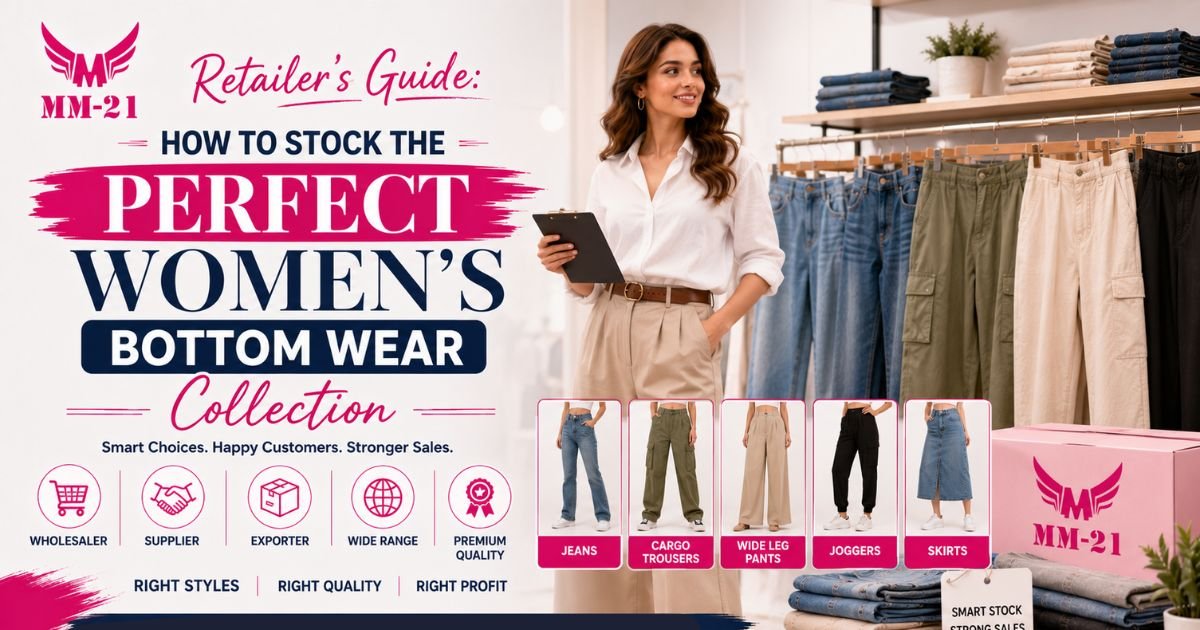
Retailer’s Guide: How to Stock the Perfect Women’s Bottom Wear Collection

Building a women’s bottomwear range that sells consistently is one of the most commercially important decisions a retailer or wholesale buyer makes each season. The category is broad, the options are numerous, and buying the wrong mix can tie up cash in slow-moving stock for months.

This guide is written specifically for retail shop owners, boutique operators, e-commerce sellers and bulk buyers who source women’s bottom wear wholesale. It covers which categories to prioritise, how to balance inventory across styles, when to restock and how to structure a range that performs across seasons.

Understanding the Women’s Bottom Wear Wholesale Market

Women’s bottom wear is one of the highest-volume segments in apparel wholesale. The category spans jeans, cargo trousers, formal trousers, joggers, jeggings, capris and more. For wholesale buyers, the challenge is not finding product. It is identifying which categories will generate the best combination of sell-through speed and margin contribution for their specific retail format.

The women’s bottomwear wholesale market in India is well-developed. Manufacturers across Gujarat, Rajasthan and Maharashtra produce a wide range of styles, from entry-level casual wear to export-quality fashion pieces. Understanding which products come from which manufacturing clusters helps buyers find the right quality tier for their price point.

Which Women’s Bottom Wear Categories Sell Most?

Based on consistent wholesale demand and retail sell-through data, the following categories rank as the strongest performers for most retail formats.

Category Sell-Through Speed Reorder Frequency Best Retail Format
Denim Jeans Fast High All formats
Cargo Trousers Very Fast (trend peak) Medium-High Boutique e-commerce
Jeggings Fast High Multi-brand e-commerce
Casual Trousers Medium Medium Multi-brand, departmental
Joggers Fast (Autumn/Winter) Seasonal Casualwear, sportswear
Capri Jeans Fast (Spring/Summer) Seasonal Resort, warm-climate retail

Jeans and jeggings are the two most consistent performers in terms of volume. Cargo trousers are currently experiencing a high sell-through phase, making them an important range addition for buyers targeting trend-aware consumers.

How to Balance Your Bottom Wear Inventory

The most common mistake wholesale buyers make is over-investing in a single category or trend at the expense of their core range. A more reliable approach is to structure stock around a three-tier model.

Tier 1: Core Perennial Styles (50-60% of Budget)

These are the styles that sell every month, regardless of season or trend cycle. For women’s bottom wear, this tier typically includes straight-leg and slim-fit jeans, classic jeggings and plain casual trousers.

Buyers sourcing this tier should work with a women’s jeans manufacturer offering consistent stock across neutral washes and established fits. Continuity is essential here. Consumers who find a style they like return to buy it again.

Tier 2: Trend-Led Statement Styles (25-35% of Budget)

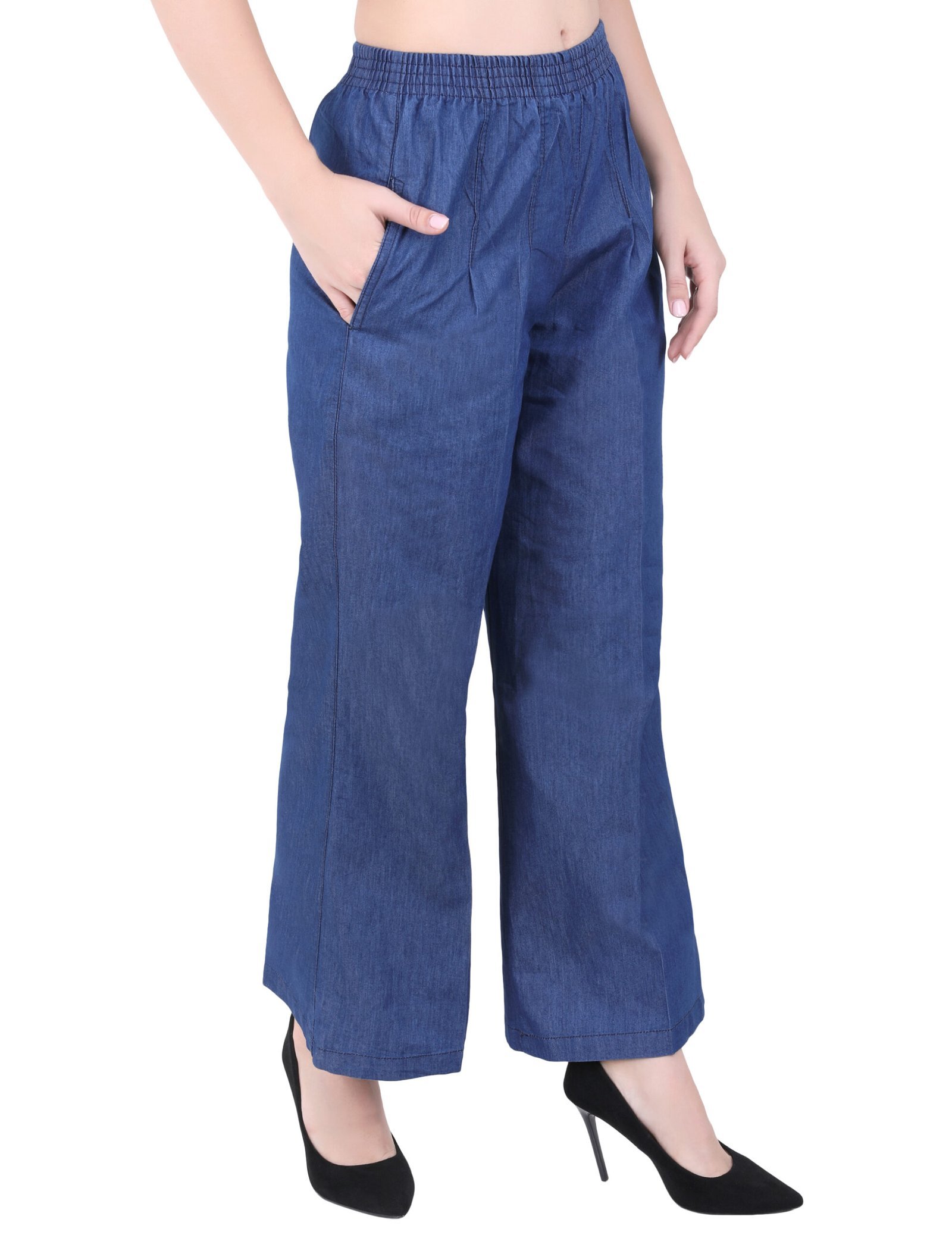
This tier captures current trend demand and drives footfall and social media attention. Cargo trousers, wide-leg denim and fashion-forward trouser styles sit here.

Working with a women’s cargo jeans manufacturer for this tier means evaluating styles with current silhouette relevance, such as relaxed cargo fits with multiple pockets, contrast stitching and contemporary colourways.

Buyers should apply stricter quantity discipline to this tier. Trend styles move fast when they hit, but they can also stall. Starting with smaller initial quantities and reordering on sell-through data is a safer approach than front-loading.

Tier 3: Seasonal and Occasion Styles (10-20% of Budget)

These are styles tied to a specific season or use occasion. Capri jeans for summer, fleece-back joggers for winter, or tailored trousers for festive and occasion wear fall into this tier.

For warm-weather inventory, the Women’s Capri Jeans Manufacturer range is worth reviewing. Capris perform particularly well in southern Indian markets, resort retail and e-commerce platforms targeting warmer-climate consumers.

Jeans: What Makes a Strong Wholesale Range

Within the women’s denim segment, buyers should ensure their range covers the key fit and wash combinations that serve the widest possible consumer base.

Fit Priorities

  • Straight leg: the highest-volume fit across age groups; works with most body types
  • Wide leg: currently the strongest trend-driven denim fit, high social media visibility
  • Slim/skinny: declining in trend relevance but maintains a loyal consumer segment
  • Bootcut: steadily returning, particularly for the 30+ demographic

Wash Priorities

  • Mid indigo (clean wash): the most versatile and consistent-selling wash
  • Dark indigo (clean wash): strong in formal-casual and smart-casual contexts
  • Light wash: seasonal strength, particularly in spring and summer
  • Distressed or ripped: trend-dependent, higher risk, higher reward in fashion-forward retail

A balanced jeans range covering three to four fits across two to three washes gives buyers sufficient depth to serve different consumer segments without excessive SKU complexity.

Cargo Trousers: Sourcing for Maximum Sell-Through

The women’s cargo wholesale segment has become one of the fastest-moving categories in casualwear retail. Buyers entering or expanding in this category should consider the following sourcing priorities.

Fabric Selection

Cotton twill and cotton-poly blends are the most common fabrications for cargo trousers. Stretch variants with 2-5% elastane offer improved comfort and have shown stronger sell-through in e-commerce channels. Heavier weights (around 280-320gsm) give a more structured silhouette that photographs better online.

Colour Strategy

Neutral colourways generate the most consistent sell-through across retail formats. Khaki, olive, stone and black should form the core of any cargo trouser buy. Bold colourways such as rust, cobalt and olive-green perform well for trend-led boutiques but carry higher markdown risk.

Size and Fit Considerations

Cargo trousers sell best in relaxed or straight-leg fits for the current market. Buyers sourcing ladies cargo pants wholesale should confirm that the hip and thigh measurements are generous enough to accommodate the relaxed silhouette that consumers currently prefer. Slim-fit cargo styles have underperformed in most retail contexts over the past 18 months.

Trouser Categories Beyond Denim and Cargo

The Women’s Trousers Manufacturer category covers a range of formal and smart-casual styles that serve the office, occasion and smart-casual retail segments. These are particularly important for buyers who serve a broader age range or who stock for workplace and event occasions.

Tailored trousers in solid colours, particularly black, navy and charcoal, are consistent sellers for multi-brand retailers and departmental stores. Linen-blend and cotton-blend trousers perform strongly in summer assortments.

Jeggings and Stretch Bottom Wear

Women’s jegging ranges serve a distinct consumer need: the aesthetic of jeans with the comfort of leggings. This category performs particularly well in plus-size ranges, e-commerce channels and markets where comfort is a primary purchase driver.

Buyers stocking jeggings should ensure they source from manufacturers who offer varying elastane percentages. A 2% elastane jegging provides light stretch for comfort. A 5% or higher elastane content gives a true stretch fit that eliminates fit-related returns in e-commerce contexts.

Seasonal Planning for Women’s Bottom Wear Wholesale

Effective seasonal planning prevents over-stocking in slow periods and ensures availability during peak demand windows.

Season Priority Categories Avoid Over-Buying
Spring (Mar-May) Capris, light-wash jeans, linen trousers Heavy fleece joggers
Summer (Jun-Aug) Capris, cargo shorts, lightweight trousers Heavy denim, jackets
Autumn (Sep-Nov) Cargo trousers, straight jeans, joggers Summer capris
Winter (Dec-Feb) Joggers, fleece trousers, dark denim Light-wash jeans, capris

These are general guidelines and should be adjusted for regional climate differences. Buyers serving markets in southern India or tropical export destinations will find summer-appropriate styles viable year-round.

Building a Supplier Relationship for Reorder Efficiency

Consistent reorder capability is one of the most underrated advantages of a strong supplier relationship. For women’s bottom wear wholesale, the ability to reorder a fast-selling style within two to three weeks can be worth more than a small per-unit price saving.

Buyers who communicate their seasonal calendar to their manufacturer in advance, pay on time and provide clear size feedback consistently receive faster turnaround and better service during peak production periods. These are practical advantages that translate directly into sales performance.

Buyers interested in assessing the available range across all bottom wear categories should start with the Women’s Clothing Manufacturer page, which covers the full scope of women’s apparel categories available for wholesale.

Frequently Asked Questions

1. What percentage of a women’s bottom wear range should be jeans? 

For most retail formats, jeans should represent 40-50% of total bottom wear stock by volume. They are the highest-repeat-purchase category and should form the foundation of any women’s bottomwear wholesale assortment.

2. How often should I reorder cargo trousers given that they are trend-driven? 

During a trend peak, reordering on sell-through data every four to six weeks is a reasonable frequency. Avoid committing to large advance orders on trend styles. Keep initial quantities conservative and reorder only styles that clear within the first 30 days.

3. What is the minimum order quantity for women’s bottom wear from Indian manufacturers? 

Most established manufacturers work with MOQs of 100-300 pieces per style per colour. Some offer lower quantities for repeat buyers or on carry-forward styles. It is worth asking specifically about trial order options when approaching a new supplier.

4. Which wholesale bottom wear categories offer the best margins for boutique retailers? 

Denim jeans and cargo trousers consistently offer the strongest margins for boutique retail, particularly when sourced directly from women’s denim wholesale manufacturers rather than through intermediaries. Jeggings also offer solid margins, especially in e-commerce formats where comfort-led products command strong pricing.

5. How do I evaluate the quality of women’s bottom wear samples before placing a bulk order? 

Check seam strength at high-stress points (inner thigh and waistband joins), verify fabric weight against the specification, test wash fastness on dyed or washed styles, and confirm that measurements are consistent across all sizes in the size set. Request a size set sample covering your full size run before approving bulk production.

Final Thoughts

A well-structured women’s bottom wear range combines the stability of core denim with the commercial energy of trend-led cargo styles, supported by complementary categories like jeggings, trousers and seasonal pieces. Buyers who approach range building with a clear tier structure, disciplined quantity planning and strong supplier relationships consistently outperform those who react to trends without a framework.

The wholesale women’s bottomwear market in India offers real depth across price points, styles and quality tiers. The key is identifying the right manufacturer for each tier of your range and building the kind of consistent sourcing relationship that gives you reorder speed when it matters.

Start Stocking Smarter

Mala Merchant is an established wholesale supplier offering a complete women’s bottomwear range across jeans, cargo trousers, jeggings, trousers, joggers and capris. Visit the Buy Bulk Jeans Online India page or contact the team directly to request samples, MOQ information and bulk pricing tailored to your retail format.

For outerwear to complete your range, the women’s joggers manufacturer and women’s jacket manufacturer categories offer complementary styles that pair well with bottom wear in boutique and e-commerce environments.

Categories
Blog

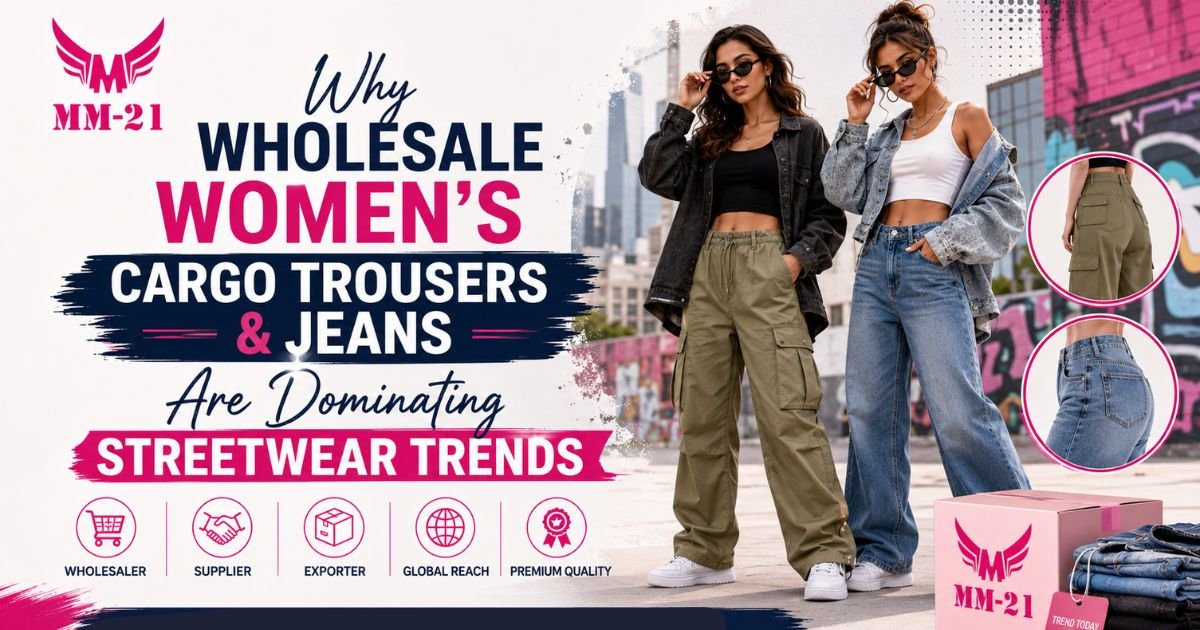
Why Wholesale Women’s Cargo Trousers & Jeans Are Dominating Streetwear Trends

Streetwear has stopped being a subculture and become a mainstream retail category. For wholesale buyers, that shift has real commercial implications. Two bottom wear categories are consistently outperforming expectations in wholesale markets: cargo trousers and denim jeans. Together, they account for a significant share of women’s casual and fashion-forward wardrobes, and understanding why they are performing so strongly is essential for any retailer or distributor building a bottom-wear range.

This article breaks down the commercial drivers behind both categories, compares their wholesale potential and gives B2B buyers the information they need to stock confidently.

The Streetwear Shift and What It Means for Wholesale Buyers

Over the past three years, the streetwear influence on mainstream women’s fashion has accelerated significantly. Silhouettes have relaxed, utility details have moved from workwear into everyday clothing, and the boundary between activewear and casualwear has all but disappeared.

For the women’s bottomwear wholesale market, this has produced clear winners. Cargo trousers, once limited to outdoor or workwear contexts, are now stocked by boutiques, fast-fashion retailers and premium independent stores alike. Jeans, always a staple, have benefited from wider leg trends and more relaxed fits that align with the same comfort-forward aesthetic.

Wholesale buyers who understand the lifestyle context driving these trends are better positioned to select styles that actually sell through, rather than simply buying on price.

Why Cargo Trousers Are Leading the Category

The cargo trouser category has grown from a niche utility piece into a reliable revenue driver for retail buyers across multiple market segments. Several factors explain the strength of this trend.

Functionality Is Now a Fashion Statement

Consumers are no longer willing to sacrifice practicality for style. The multiple pocket configuration that defines cargo trousers appeals to a generation that carries more everyday items than ever. This shift in consumer expectation has made functional details a positive selling point rather than a compromise.

For wholesale buyers, this means cargo styles have genuine cross-channel appeal. They sell well in boutiques, on e-commerce platforms and in casualwear retail environments.

The Social Media Effect

Cargo silhouettes have been widely featured on fashion-focused social media content over the past 18 months. Styles with contrast stitching, relaxed fits and low-rise or mid-rise waistbands have generated high engagement across most major platforms. When social-media-driven styles translate into in-store demand, wholesale buyers who are already stocked benefit directly.

Retailers sourcing from a women’s cargo jeans manufacturer should look specifically for styles with varied pocket configurations, adjustable waistband options and fabric blends that include some stretch for comfort.

Versatility Across Price Points

Cargo trousers are available at every price tier. At the entry level, brushed cotton and poly-cotton blends offer accessible retail price points. At higher margins, stretch denim and technical fabrics command premium shelf prices. This range of options makes the category viable for wholesale buyers across different retail formats.

Why Denim Jeans Remain the Backbone of Women’s Bottom Wear

Despite the growth of cargo and other trend-led categories, ladies’ wholesale jeans continue to generate the highest consistent volume in women’s bottom wear. The reasons are structural rather than trend-dependent.

Jeans Are a Repeat Purchase Category

Consumers buy jeans regularly throughout the year. Unlike occasion wear or seasonal outerwear, jeans are worn frequently and replaced with reasonable predictability. For wholesale buyers, this means consistent reorder potential and lower dependence on seasonal demand spikes.

Fit Variety Drives Range Depth

The women’s jeans market has diversified considerably. Straight leg, wide leg, slim fit, bootcut and barrel leg are all active silhouettes simultaneously. Each fit serves a distinct consumer demographic, which means a well-structured jeans range can capture a significantly broader customer base than a single-style stock approach.

Buyers sourcing from a women’s jeans manufacturer should confirm which fits are available and whether wash options include light, mid and dark tones to cover different usage occasions.

Denim Has the Strongest Margin Profile in Bottom Wear

Across most retail formats, denim delivers a higher gross margin than comparable casual trousers or co-ord sets. The perceived value of denim in the consumer’s mind allows retailers to price above cost more confidently. For wholesale buyers, sourcing women’s denim wholesale from a direct manufacturer rather than through a distributor amplifies this advantage further.

Cargo vs Jeans: A Wholesale Comparison

Understanding the relative strengths of each category helps buyers make more informed decisions about how to allocate their buying budget.

Factor Cargo Trousers Jeans
Trend Longevity 3-5 seasons (current peak) Perennial women’s
Margin Potential High High to Very High
Repeat Purchase Rate Medium High
Social Media Demand Very High currently Consistent
Size Range Complexity Medium High (multiple fits)
Seasonal Flexibility Spring/Summer lead Year-round
MOQ Range (typical) 100-200 pcs/style 100-300 pcs/style
Buyer Risk Level Medium (trend-led) Low (staple category)

The practical takeaway from this comparison is that jeans provide the stable revenue floor of a women’s bottom wear range, while cargo trousers offer the growth upside and trend-driven appeal that keeps a range looking current.

How Indian Manufacturers Are Meeting Wholesale Demand

India’s garment manufacturing sector has developed significant capability in both denim and cargo-style bottom wear. Production clusters in Gujarat, Maharashtra and Rajasthan offer buyers access to a wide range of fabric weights, fits and construction standards.

For wholesale buyers, the practical advantage of sourcing from Indian manufacturers is the combination of competitive pricing and reasonable MOQ flexibility. Many manufacturers are able to accommodate 100-piece trial orders on new styles, which allows buyers to test a cargo style or a new denim fit before committing to a full production run.

Buyers interested in building a comprehensive bottomwear wholesale range can reference the Women’s Clothing Manufacturer category to understand the full scope of styles available across jeans, cargos, trousers and related bottomwear.

Sourcing Streetwear-Ready Styles: What to Look For

Not all cargo or denim styles translate equally to streetwear-influenced retail. Wholesale buyers sourcing for this segment should evaluate styles against specific criteria.

For Cargo Trousers

  • Relaxed or straight-leg silhouette rather than tapered or slim fits
  • Multiple external pocket placements, not just side seam pockets
  • Adjustable or elasticated waistband options for broader size appeal
  • Heavier fabric weights for structure, or stretch blends for comfort-led positioning
  • Neutral colourways (khaki, olive, stone, black) for maximum sell-through

For Denim Jeans

  • Wide-leg and straight-leg options are the priority fits for streetwear appeal
  • Mid to high-rise waistbands which currently have the strongest consumer preference
  • Washes that include both clean indigo and distressed finishes
  • Sturdy denim weights (10-12oz) for quality perception and durability
  • Consistent sizing across a production run, particularly in waist measurements

Supplementary Categories That Strengthen a Bottom Wear Range

Buyers building a streetwear-orientated women’s bottom wear wholesale range should also consider adjacent categories that serve the same consumer and retail environment.

Women’s trouser manufacturer styles, particularly wide-leg and tailored options in solid colours, sit well alongside cargo and denim in a bottom wear range and serve the smart-casual segment of the same consumer base.

Women’s joggers manufacturer ranges offer an activewear-to-streetwear crossover option that complements cargo trousers for buyers targeting the younger casual wear market.

For outerwear to layer over bottom wear sets, women’s jacket manufacturer styles in denim and technical fabrics pair particularly well with cargo and jean silhouettes.

Key Sourcing Considerations Before Placing a Bulk Order

  • Request stitching specifications and fabric weight certifications before approving samples
  • Confirm colour consistency across a full production run, particularly for washed denim styles
  • Agree on measurement tolerances in writing, particularly for waist and hip measurements
  • Verify the manufacturer’s experience with export quality standards if you are shipping internationally
  • Clarify lead times at the sample stage so production planning can be built around realistic timelines

Internal Resource Links

For buyers building a denim-focused wholesale range, the Wholesale Jeans Manufacturer in India page provides a starting point for understanding available styles and category depth.

Buyers ready to place orders can review stock and pricing directly via the Buy Bulk Jeans Online India section.

For stretch-fit alternatives within a bottom wear range, Women’s Jeggings Manufacturer listings cover fabric blends and available fits.

Warm-weather buyers sourcing for resort- or summer-focused retail should also review the Women’s Capri Jeans Manufacturer range for shorter-length denim options.

Frequently Asked Questions

1. Why are women’s cargo trousers selling so well in wholesale right now?

Cargo trousers have benefited from a convergence of utility fashion trends, social media visibility and shifting consumer preferences towards comfortable, functional clothing. The multiple-pocket design has moved from a workwear context to mainstream fashion, creating strong demand across boutique and online retail formats.

2. Are denim jeans still a reliable wholesale investment despite changing trends?

Yes. Jeans are a repeat-purchase category with consistent year-round demand. While specific fits and washes cycle in and out of trend, the category itself remains structurally strong. Wide leg and straight leg styles are currently leading demand within the denim segment.

3. What MOQ should I expect for women’s cargo wholesale from Indian manufacturers?

Most mid-sized Indian manufacturers offer MOQs between 100 and 200 pieces per style per colour for cargo trousers. Some manufacturers accommodate lower quantities for established buyers or during off-peak production periods.

4. How do I ensure consistent sizing across a large cargo or denim order?

Provide your size specification sheet to the manufacturer before production begins. Request a size set sample (one piece per size) after pre-production sampling to verify measurement accuracy across the full size range before committing to production.

5. Which bottom wear category offers better margins: cargo or denim?

Both offer strong margins when sourced directly from manufacturers. Denim tends to have a slightly higher perceived value with consumers, which supports stronger retail pricing. Cargo trousers offer competitive margin potential in trend-led retail contexts where newness commands a price premium.

The Bottom Line

Wholesale women’s cargo trousers and jeans are not competing categories. They serve overlapping but distinct consumer needs, and a well-balanced women’s bottom wear wholesale range benefits from stocking both. Cargos bring trend-led appeal and strong social media-driven sell-through. Jeans provide the consistent, repeat-purchase volume that sustains a wholesale relationship over multiple seasons.

Buyers who understand the specific qualities to look for in each category, and who work directly with experienced Indian manufacturers, are best positioned to build ranges that perform consistently across different retail formats and market conditions.

Ready to Build Your Range?

Mala Merchant offers a comprehensive women’s bottomwear wholesale range covering cargo jeans, denim jeans, trousers, jeggings and more. Visit the Women’s Cargo Jeans Manufacturer page or contact the team directly to request samples, MOQ details and bulk pricing for your next order.

Categories
Blog

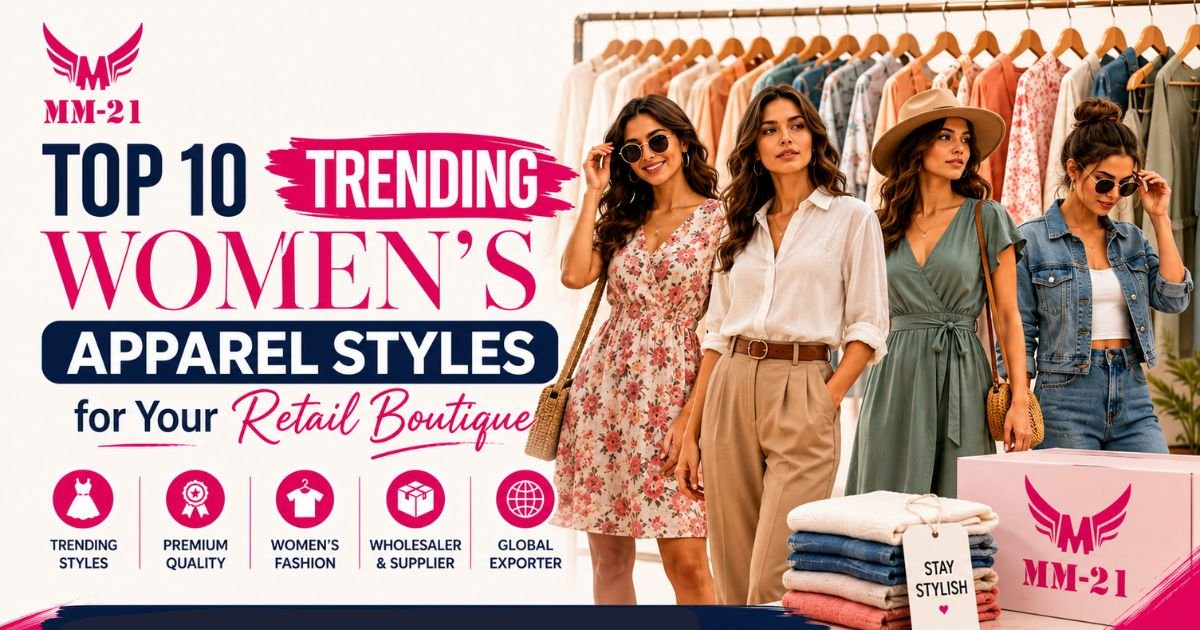
Top 10 Trending Women’s Apparel Styles for Your Retail Boutique

Staying ahead of trends is one of the most challenging parts of running a retail boutique. Buy too early and you carry dead stock. Buy too late and your competitors have already cleared the market. This guide covers the ten women’s apparel categories that are consistently performing well in retail, why each one is gaining traction, and how boutique owners can source them effectively from Indian wholesale markets.

What Drives Women’s Fashion Trends in India

India’s domestic fashion market is large, diverse and increasingly digitally influenced. Trends in women’s apparel are now shaped by a combination of social media content, influencer marketing, celebrity styling and shifting lifestyle preferences. Comfort, versatility and value for money are consistently ranked as the top purchase drivers across most consumer segments.

For wholesale fashion garments in India, this translates into strong demand for products that bridge the gap between casual and smart-casual dressing. Buyers stocking for Indian boutiques or for diaspora communities abroad often find that these crossover styles outperform purely occasion-wear or purely athleisure ranges.

Top 10 Women’s Apparel Categories

1. Women’s Jeans

Jeans remain the single most consistent category in women’s retail. From high-street to boutique, demand is stable year-round with seasonal variation in colour and wash preferences. Buyers looking to stock from a women’s jeans manufacturer should focus on core fits in neutral washes for carry-forward stock, supplemented by seasonal statement styles.

Key selling points: versatility, durability, a wide consumer age range, and a high repeat purchase rate.

2. Cargo Jeans

Cargo jeans have shifted from niche utility wear to mainstream fashion. The combination of practical pockets and relaxed silhouettes appeals strongly to the 18-35 demographic. Cargo-inspired styling is particularly popular on social media, making stock turnover faster for boutiques with an active online presence.

When sourcing from a women’s cargo jeans manufacturer, look for styles with contrast stitching, varied pocket configurations and fabric options that include both rigid denim and stretch blends.

3. Jeggings

Jeggings sit at the intersection of comfort and style and have maintained strong consumer demand since they entered mainstream retail. They perform particularly well as carry-forward basics and in plus-size ranges where comfort is a primary purchase driver.

A reliable women’s jeggings manufacturer should offer varying stretch percentages (typically 2% to 5% elastane content) across different weights and colour options to give your range depth.

4. Trousers

Women’s trousers have expanded well beyond formal office wear. Wide-leg, tailored, cropped and relaxed-fit trousers now serve a broad casual-to-smart market. This category has seen consistent growth as remote and hybrid working blurs the boundaries between comfort and professional dressing.

Sourcing from a dedicated women’s trousers manufacturer gives boutique owners access to a wider fit range than most generalist suppliers can offer, which is important for catering to different body types and customer segments.

5. Joggers

The activewear-to-streetwear crossover shows no sign of reversing. Women’s joggers are now worn not just for exercise but for travel, casual dining and everyday errands. This broadens their retail appeal considerably.

Women’s joggers manufacturer ranges typically include French terry, fleece-back and technical-jersey options. For boutiques, French terry and mid-weight fleece styles offer the widest seasonal coverage.

6. Jackets

Women’s jackets are high-margin, seasonal pieces that can anchor an entire seasonal range. Denim jackets and quilted styles lead in volume, while bomber, biker and structured blazer-jacket hybrids serve more fashion-forward consumers.

The women’s jacket manufacturer segment in India has invested significantly in finishing quality and construction detail over recent years, making Indian-manufactured jackets increasingly competitive against alternatives from Bangladesh or China.

7. Capri Jeans

Capri jeans remain a strong seller in markets with warm climates or extended summer seasons. They appeal to consumers who want the look of jeans without full-length coverage and perform well in coastal, resort and subtropical retail environments.

Working with a specialist women’s Capri jeans manufacturer allows buyers to access a range of cut lengths, fabric weights and embellishment options that generalist manufacturers may not carry.

8. Wide Leg Denim

Wide-leg denim has been one of the strongest denim trend movements of recent years. The silhouette flatters a wide range of body shapes and pairs well with both fitted tops and oversized styling. High-rise wide-leg styles in particular have driven significant volume in boutique retail.

When sourcing wide-leg styles, pay close attention to the seat and thigh measurements. Poorly proportioned wide-leg cuts are a common fit complaint, so sample review is essential before placing a production order.

9. Straight Fit Denim

Straight-fit denim has the broadest consumer appeal across age groups. It is classic enough for conservative buyers, versatile enough for fashion-forward styling, and consistent in its year-round sell-through. Any boutique with a women’s denim range needs strong, straight-fit representation.

Look for straight-fit options across light, mid and dark washes, as each serves a distinct usage occasion for the consumer.

10. Casual Everyday Wear

The broadest category on this list is also one of the most commercially important. Casual everyday wear, including relaxed-fit co-ords, knit sets, printed shirts and easy-wear bottoms, drives consistent footfall in boutiques because consumers buy these items frequently and without much deliberation.

For this category, responsiveness to trends is key. Smaller, more frequent orders aligned with seasonal colour stories tend to outperform large one-time buys.

Category Comparison at a Glance

Category Season Trend Longevity Boutique Priority
Women’s Jeans Year-round Perennial Core
Cargo Jeans Spring / Summer 3-5 seasons High
Jeggings Year-round Perennial Core
Trousers Year-round Perennial Core
Joggers Autumn / Winter 3-4 seasons High
Jackets Autumn / Winter Seasonal cycle High margin
Capri Jeans Spring / Summer Perennial in warm climates Regional
Wide Leg Denim Year-round Current peak High
Straight Fit Denim Year-round Perennial Core
Casual Everyday Wear Year-round Trend-driven Frequent refresh

How Retailers Can Select Trend-Based Inventory

Trend selection does not have to be guesswork. Experienced boutique buyers use a combination of data sources and qualitative signals to make better stocking decisions.

  • Monitor social media platforms for emerging silhouette and colour trends, particularly in the 18-35 demographic
  • Review your own sell-through data by category and identify which styles cleared within 30 days vs. which required promotion
  • Talk directly to your customers about what they have been trying to find and could not
  • Track what wholesale women’s clothing manufacturer ranges are offering as their hero styles for the upcoming season
  • Attend buying fairs and wholesale expos where possible to see quality and construction first-hand

The goal is to build a range that has a core of perennial styles generating consistent revenue, supported by a smaller allocation of trend-led pieces that drive newness and social media engagement.

Stock Planning Tips for Boutique Owners

Even with the right product selection, poor stock planning can undermine profitability. Here are the principles that experienced boutique buyers apply.

Maintain a Core-Fashion Split

Allocate roughly 60-70% of your buying budget to core, repeat-purchase styles and 30-40% to trend-led pieces. This ratio ensures consistent cash flow while still creating the newness that attracts footfall.

Order in Smaller, More Frequent Batches

Rather than one large seasonal order, consider two or three smaller orders spaced across the season. This reduces end-of-season clearance risk and allows you to reorder styles that are performing better than expected.

Track Sell-Through Weekly

Identify within the first two to three weeks of a style hitting the floor whether it is performing at or above expectations. Fast-selling styles should trigger a reorder conversation with your women’s clothing supplier before stock runs out.

Build Supplier Relationships for Faster Turnaround

Boutique owners who maintain consistent relationships with ladies’ garments manufacturers in India often negotiate faster turnaround on reorders. A supplier who knows you, trusts your payment history and values your business is more likely to prioritise your reorder during a busy production period.

Plan Your Size Depth

Avoid over-buying in extreme sizes at the expense of mid-range sizes that typically sell most quickly. Review your size sales data from previous seasons to calibrate your size ratio accurately.

Frequently Asked Questions

1. Which women’s apparel category has the best margins for boutique retailers?

Jackets and outerwear typically offer the highest margin potential in women’s retail, often 60-80% above cost for fashion-led styles. Denim also offers strong margins when sourced directly from a wholesale women’s clothing manufacturer rather than through distributors.

2. How many styles should a small boutique stock per category?

For a small boutique, two to four styles per core category is a practical starting point. This provides enough variety for the customer to feel there is a genuine range without fragmenting stock depth across too many options.

3. How often should boutique owners refresh their women’s clothing range?

Most successful boutiques refresh their range at least four to six times per year, aligned with seasonal shifts. Core basics are replaced as needed, while trend-led pieces are introduced in smaller deliveries every six to eight weeks.

4. What is the advantage of sourcing women’s apparel directly from Indian manufacturers?

Direct sourcing from Indian women’s apparel manufacturers eliminates distributor markups, gives buyers direct quality control, allows for customisation and provides better pricing at volume. It also enables faster resolution of any quality or delivery issues.

5. Can boutique owners get exclusive styles from wholesale suppliers in India?

Yes, many bulk women’s clothing suppliers in India offer exclusivity arrangements for specific styles or colourways, particularly for buyers placing consistent orders above a certain volume threshold. This is worth negotiating when you have an established relationship with a supplier.

Final Thoughts

Building a successful women’s boutique range requires balancing the stability of core perennial styles with the excitement of trend-led pieces. The ten categories covered in this guide represent the most commercially reliable options available to boutique buyers today.

Sourcing from India gives retailers access to a deep manufacturing base, competitive pricing and an increasingly sophisticated approach to trend-led design. Whether you are stocking jeans, cargos, jeggings or jackets, the combination of product quality and supplier flexibility available through Indian wholesale markets is difficult to match elsewhere.

The key is to plan your range thoughtfully, build supplier relationships based on trust and consistency, and use data to refine your stocking decisions season by season.

Start Building Your Boutique Range

Mala Merchant is a trusted women’s clothing manufacturer offering wholesale women’s apparel across jeans, cargo jeans, jeggings, trousers, joggers, jackets and capris. 

Contact the team to request a catalogue, samples or a bulk pricing quote tailored to your boutique requirements.

Categories
Blog

The Complete Guide to Sourcing Women’s Wholesale Clothing in India

India has long been a reliable destination for retailers, distributors and e-commerce businesses looking to source quality women’s clothing at competitive prices. Whether you run a boutique in London, an online store in Dubai or a garment distribution business anywhere in the world, understanding how Indian wholesale supply chains operate can help you make smarter buying decisions.

This guide covers everything from evaluating suppliers and choosing product categories to avoiding common sourcing mistakes and preparing for your first bulk order.

Why India Is a Leading Hub for Women’s Fashion Manufacturing

India’s garment manufacturing sector is one of the largest in the world. The country has a deeply established textile infrastructure, skilled workforce and access to a wide range of fabrics, from cotton and linen to denim, polyester blends and technical fabrics.

For buyers in the women’s fashion wholesale segment, India offers several structural advantages:

  • Wide product variety across casual, formal, active and fusion wear
  • Flexible MOQ (minimum order quantities) from many manufacturers, especially for established buyer relationships
  • Competitive pricing that supports healthy retail margins
  • Growing capability in trend-led design, not just mass production
  • Established export infrastructure with access to major global shipping routes

Cities like Jaipur, Surat, Delhi, Ahmedabad and Mumbai serve as key manufacturing hubs, each with specialisation in different product categories. Denim manufacturing, for instance, is particularly strong in Gujarat and certain clusters of Maharashtra.

Key Factors to Evaluate Before Choosing a Supplier

Not all women’s clothing manufacturers operate at the same standard. Before committing to a supplier, evaluate them across several dimensions.

Product Quality Standards

Ask for fabric composition details, stitching specifications and finish quality across different price points. Request samples before placing any significant order. Pay attention to:

  • Seam strength and stitch density
  • Colorfastness ratings for dyed or printed fabrics
  • Sizing consistency across a production run
  • Hardware quality for items like jeans, cargo trousers and jackets

Manufacturers who supply to export markets typically maintain stricter quality controls than those who supply only the domestic market.

MOQ Requirements

MOQ varies considerably across suppliers. Some manufacturers require 500 pieces per style, while others can accommodate 100 pieces for an established buyer. For boutique sourcing in India, look for suppliers who offer tiered MOQ structures, allowing you to test a new style before committing to large volumes.

It is worth noting that lower MOQs often come with higher per-unit pricing. Finding the right balance for your business depends on your cash flow, storage capacity and sales velocity.

Manufacturing Capacity

Understand how many units a manufacturer can produce weekly or monthly. If you are scaling a retail business, your supplier needs to keep pace with demand. Ask about:

  • Daily production capacity per style
  • Number of production lines
  • Ability to handle seasonal spikes
  • Subcontracting practices (some manufacturers outsource certain processes)

Delivery Timelines

Lead times in Indian wholesale manufacturing typically range from 15 to 45 days depending on the complexity of the product and the supplier’s current workload. For repeat orders of in-stock items, timelines can be significantly shorter.

Always build buffer time into your planning, particularly around Indian public holidays and the pre-monsoon and pre-festival periods when factories operate at higher capacity.

Popular Women’s Clothing Categories in Wholesale Markets

Understanding which categories move well in wholesale is essential for buyers building a product range. Below is a snapshot of the most actively traded women’s apparel categories and their typical market positioning.

Category End Consumer Appeal Typical MOQ Margin Potential
Jeans Everyday essential, high repeat 100–300 pcs High
Cargo Jeans Trend-led utility wear 100–200 pcs High
Jeggings Comfort + style crossover 100–300 pcs Medium-High
Trousers Office and occasion wear 100–200 pcs Medium
Joggers Active and casualwear 100–300 pcs Medium-High
Jackets Seasonal / layering 50–150 pcs High
Capri Jeans Warm weather / resort 100–200 pcs Medium

Retailers sourcing women’s jeans should pay special attention to fit variety. Straight, slim, wide leg and high-rise cuts all occupy distinct market segments. Working with a women’s clothing manufacturer that covers multiple fits within a single range allows you to serve a broader customer base without juggling multiple suppliers.

How Boutique Owners Can Source More Profitably

Boutique sourcing from India can be highly profitable if approached strategically. Here are the sourcing practices that experienced buyers rely on.

Consolidate categories with a single manufacturer

Spreading orders across too many suppliers increases logistics costs and administrative overhead. Where possible, work with manufacturers who offer multiple categories. If a supplier can produce women’s cargo jeans, regular jeans, trousers and jeggings under one roof, your coordination efforts drop significantly.

Build a relationship before pushing on price

Indian manufacturers, particularly those serving export markets, tend to prioritise reliability and communication. Establishing trust before negotiating aggressively on price often yields better long-term terms than opening with hard bargaining.

Plan around seasons and carry-forward styles

Not every piece needs to be seasonal. Carry-forward basics, such as straight-cut women’s jeans or neutral-coloured trousers, offer consistent sell-through and reduce clearance risk.

Use samples strategically

Ordering samples costs money and time, but it saves far more in returns, reworks and damaged supplier relationships. Build a sample budget into your procurement process from the outset.

Common Mistakes Buyers Should Avoid

Even experienced buyers make avoidable errors when sourcing wholesale ladies’ readymade garments. Below are the most frequent pitfalls.

  • Skipping samples to save time: Quality issues discovered after a full production run are expensive to resolve.
  • Not confirming fabric composition in writing: Verbal assurances about cotton percentage or fabric weight are difficult to enforce.
  • Ignoring capacity constraints: Placing an order a supplier cannot fulfil on time disrupts your sales cycle.
  • Over-indexing on price: Extremely low per-unit quotes often indicate compromises in fabric quality, stitching or finishing.
  • Failing to define size charts: Indian and international sizing conventions differ. Provide your own measurement specs or agree on a shared standard.
  • Neglecting payment terms: Net 60 or net 90 payment cycles from retailers can create cash flow issues if your supplier requires upfront payment.

Checklist Before Placing a Bulk Order

Use this checklist to protect your investment before committing to any wholesale order.

  • Sample approved and documented in writing
  • Fabric composition and weight confirmed
  • Size chart agreed and shared with manufacturer
  • MOQ and pricing confirmed in writing
  • Production timeline agreed with buffer included
  • Payment terms clearly defined
  • Packaging and labelling specs confirmed
  • Shipping method, Incoterms and freight responsibility agreed
  • Quality inspection arrangement in place (in-line or pre-shipment)
  • Returns and defect policy agreed before order placement

Internal Resource Links

If you are sourcing denim specifically, the Wholesale Jeans Manufacturer in India page is a good starting point for understanding available styles and categories.

To see the full product range available for bulk purchase, visit the Buy Bulk Jeans Online India section, which lists current stock and styles.

For active and loungewear buyers, women’s jogger manufacturer listings provide details on available fits, fabrics and minimum quantities.

Buyers sourcing outerwear can reference the Women’s Jacket Manufacturer listings for styles and seasonal availability.

For lightweight legwear options, the Women’s Jeggings Manufacturer range covers various stretch and fabric blends.

Warm-weather buyers should also check the Women’s Capri Jeans Manufacturer category for resort and summer-appropriate styles.

Formal and occasional buyers can review the women’s trousers manufacturer listings to find tailored bottom-wear options.

Frequently Asked Questions

1. What is the typical MOQ when ordering from a women’s clothing wholesale supplier in India?

MOQs vary widely depending on the manufacturer and product type. Most mid-sized manufacturers start at 100–300 pieces per style per colour. Some established wholesale women’s clothing manufacturers offer lower MOQs for repeat buyers or during off-peak production periods.

2. How long does it take to receive an order from an Indian women’s apparel manufacturer?

Standard production lead times range from 15 to 45 days after order confirmation and advance payment. Shipping time adds another 7–25 days depending on the destination. Air freight reduces transit time significantly but increases cost.

3. Can boutique owners order small batches for testing new styles?

Yes, many Indian manufacturers accommodate smaller trial orders for buyers interested in boutique sourcing. India-based women’s apparel wholesalers often have a minimum sample order option that allows boutique owners to validate a new style before scaling up.

4. How do I verify the quality of a women’s clothing supplier before placing a large order?

Request physical samples before production begins. You can also conduct a pre-shipment inspection using a third-party quality control service based in India. These services check stitching, measurements, fabric quality and packaging before your order is shipped.

5. Are Indian manufacturers able to produce private label or custom-branded women’s clothing?

Many bulk women’s clothing suppliers in India offer private label services, including woven labels, hangtags, packaging and custom branding. Lead times for custom branding are typically 5–10 days longer than standard production.

Final Thoughts

Sourcing women’s wholesale clothing from India offers genuine competitive advantages for retailers, boutique owners and e-commerce businesses worldwide. The combination of manufacturing depth, product variety and cost efficiency is hard to match.

The key to a successful sourcing relationship lies in preparation. Verify quality through samples, confirm specifications in writing, build realistic lead times and establish clear communication with your chosen women’s fashion wholesale partner.

India’s garment manufacturing industry continues to grow in capability and global reach. Buyers who invest time in understanding the market and building genuine supplier relationships consistently achieve better outcomes than those who approach sourcing purely as a transactional exercise.

Ready to Source?

Mala Merchant is an established women’s clothing manufacturer and women’s apparel wholesaler based in India, offering a wide range of jeans, trousers, cargos, jeggings, joggers, jackets and capris for wholesale buyers. 

Contact Mala Merchant Today, discuss your requirements, request samples, or get a bulk pricing quote for your next order.

Categories
Blog

Big Size Women’s Denim Palazzo & Plus Size Palazzo Pants Manufacturer in India

There is one bottomwear category that Indian retailers consistently understock and consistently regret understocking: big-size women’s denim palazzo pants. Finding a reliable supplier for quality women’s plus-size palazzo pants can completely transform a store’s seasonal revenue.

Plus-size palazzo pants.

Walk into the average women’s clothing store in India today, and the palazzo section looks like this: three to four styles, sizes running up to 34 at best, and a near-total absence of anything in the XL or extended range. Meanwhile, the customers walking in and asking for palazzo pants for plus-size women are not a niche segment. They are a growing, high-frequency buying group, and in most markets across India, they are dramatically underserved.

For B2B buyers, retailers, distributors, and wholesale resellers, this represents one of the clearest inventory gaps in the current women’s bottomwear market. And filling that gap starts with finding the right manufacturing partner.

Mala Merchant manufactures and supplies big-size women’s denim palazzo pants and a full range of women’s palazzo pants, plus size, for wholesale buyers across India.

Why Plus Size Palazzo Pants Are One of the Fastest-Moving Categories in Women’s Bottom Wear

Palazzo pants have held strong in the Indian women’s fashion market for years, and the plus-size segment of this category has seen particularly consistent demand growth. Here is why this category performs so well at retail, especially in extended sizes:

The comfort-style equation is unmatched. For women who find fitted bottom wear uncomfortable, jeans, leggings, tapered trousers and palazzo pants offer a relaxed, wide-leg fit that is genuinely comfortable without looking casual. This makes women’s plus-size palazzo pants a go-to purchase for daily wear, office wear, and occasion wear simultaneously.

Denim palazzos specifically command premium pricing. A denim palazzo sits at a higher retail price point than a regular-fabric palazzo, and customers accept that price point willingly because denim is perceived as a premium, durable fabric. For retailers, this means better margins per unit compared to standard fabric palazzo stock.

The XL and extended-size gap is commercially significant. Most retailers who add palazzo pants in XL size to their inventory for the first time report immediate traction, not because they marketed it aggressively, but because existing customers who previously could not find their size in palazzo now have an option. The demand was always there. The supply was not.

Year-round sell-through. Unlike some seasonal bottom wear categories, palazzo pants move across seasons. Lighter washes in summer, darker and heavier washes in winter. The category does not sit on your shelves.

The Manufacturing Challenge: Why Most Suppliers Get Big-Sized Palazzos Wrong

A big-sized palazzo sounds straightforward to manufacture. Wide leg, relaxed fit – surely scaling up is easy?

In practice, this is where most generic denim suppliers fall short and where the quality difference between a specialist manufacturer and a trader becomes obvious to your customers.

Proportional width and length ratios change at larger sizes. A size 38 or 40 palazzo that simply uses more fabric without adjusting the leg width-to-length ratio looks disproportionate: too wide at the hem, not enough drape through the thigh, or a silhouette that does not flow the way a palazzo is supposed to. Getting this right requires size-specific pattern adjustments, not mechanical upscaling.

Waistband construction is critical in plus sizes. The waistband on palazzo pants for plus size women needs to be wide enough to sit comfortably across the abdomen, structured enough not to roll or bunch, and finished with the right elastic tension to stay in place without digging in. This is a construction detail that many suppliers skip and one that generates the most complaints in plus-size bottom wear.

Denim weight and drape need to match the silhouette. A big-sized women’s denim palazzo needs a fabric weight that is light enough to drape well in the wide-leg silhouette while still holding the structure that makes a denim palazzo look polished rather than shapeless. Too heavy and the garment becomes stiff and awkward. Too light and it loses the crisp finish that customers pay a premium for.

At Mala Merchant, our manufacturing process addresses every one of these variables because we have built our plus-size range around what actually sells at retail, not what is easiest to produce.

Mala Merchant’s Big Size Women Denim Palazzo Collection — What We Manufacture

Our wholesale palazzo range is part of a broader women’s bottomwear collection that covers every major category a women’s retailer needs. Within the denim palazzo segment specifically, here is what we produce for B2B buyers:

Classic Wide-Leg Denim Palazzo in Plus Sizes

Our core palazzo style is a clean, wide-leg silhouette in medium-weight denim with a structured elasticated waistband and full-length leg. Available from size 28 to 44, with dedicated pattern blocks for each size group. Offered in light blue, mid-blue, dark indigo, and black denim washes.

This is the anchor style for any retailer building a women’s palazzo pants plus-size section. It moves reliably across age groups, retail formats, and price points, and the extended size range from 36 to 44 fills a gap that most of your competitors are not covering.

Fashion-Washed Denim Palazzo for Trend-Driven Buyers

Beyond the classics, we manufacture big-size palazzo styles in acid wash, stone wash, and distressed finishes. These styles appeal to a younger, fashion-conscious buyer segment that wants the comfort of a palazzo with a more contemporary look. Fashion washes in extended sizes are particularly rare in the wholesale market, which means strong differentiation for retailers who stock them.

Contrast Stitch and Embroidered Detail Palazzo

For retailers targeting the ethnic fusion or occasion wear segment, we produce XL-size palazzo pant styles with contrast stitching, embroidered hem detailing, and printed accents. These carry a higher retail price point and serve a specific customer who is willing to spend more for a dressed-up palazzo option.

Solid and Printed Fabric Palazzo (Non-Denim) in Plus Sizes

While our denim palazzo is our strongest wholesale SKU, we also manufacture women’s palazzo pants plus size in solid crepe, printed rayon, and cotton-blend fabrics for retailers who want to offer a complete palazzo range across fabric types. These complement the denim range well and serve customers who want both casual and formal palazzo options from the same store.

Building a B2B Business Case: Why Stocking Palazzo Pants for Plus Size Women Makes Commercial Sense

This is the section most manufacturers skip, and it actually helps retailers make a smart stocking decision. Therefore, here is the straightforward commercial case for adding big-sized palazzos to your wholesale order:

  • Low competition, high demand: In most retail markets—particularly Tier 2 and Tier 3 cities—there are virtually no stores stocking palazzo pants in XL size in quality denim. However, the first retailer in a market to stock this well becomes the go-to destination for an entire customer segment. Consequently, that position is difficult for competitors to displace once established.
  • Higher average transaction value: Customers buying women’s palazzo pants plus size in a store that genuinely carries their size tend to buy more per visit. Instead of browsing and leaving, a customer who has found her size buys one pair for work, one for casual wear, and often one in a different wash. In addition, the transaction value per visit is meaningfully higher.
  • Repeat customer rate: Plus-size buyers who find a store that stocks quality, well-fitting denim palazzos become loyal repeat customers because their options elsewhere are limited. Similarly, this is not a one-time sale category; it is a relationship-building category.
  • Margin per unit: Fortunately, our wholesale pricing on big-size women’s denim palazzo is structured to give B2B buyers a healthy retail margin, particularly when ordering in volume. Denim palazzos command a strong retail price point, and our factory-direct pricing ensures the margin works in your favour.

Stock the Category Your Competitors Are Missing

The wholesale market for women’s plus-size and big-size women’s denim palazzo pants is not crowded. Most retailers have not moved into this space yet, which means the opportunity is wide open for buyers who act on it now.

Mala Merchant gives you a direct line to quality, consistent, factory-priced plus-size palazzos manufactured specifically for the B2B market.

Browse Our Full Women’s Collection →

Contact Mala Merchant for Wholesale Pricing & MOQ →

📞 WhatsApp / Call: +91 6353509721 📧 Email: malamerchant313@gmail.com

Low MOQ available for first-time buyers. Pan-India delivery. Factory-direct pricing.

Frequently Asked Questions (FAQs) 

Q1. What size range do you cover in big-sized women’s denim palazzo pants?

Our big-size women’s denim palazzo range covers sizes 28 to 44. Extended sizes 36, 38, 40, 42, and 44 are produced with dedicated pattern blocks, not scaled-up standard patterns, ensuring correct proportions and fit at every size.

Q2. What washes are available in plus-size palazzo pants wholesale?

We offer light blue, mid-blue, dark indigo, black, acid wash, stone wash, and distressed finishes across our denim palazzo range. Availability varies by style; contact us for current wash availability on specific SKUs.

Q3. Are these palazzo pants suitable for both casual and semi-formal retail segments?

Yes. Our classic wide-leg and dark wash styles work well for both casual and semi-formal positioning. Our embroidered and contrast stitch styles are specifically designed for the occasion wear and ethnic fusion segments at a higher retail price point.

Q4. What is the minimum order quantity for palazzo pants, XL size, wholesale?

MOQ depends on the style and size combination. We work with buyers at different order volumes. Contact us at +91 6353509721 or malamerchant313@gmail.com for specific MOQ details.

Q5. Do you manufacture women’s plus-size palazzo pants in fabrics other than denim?

Yes. Alongside denim, we manufacture plus-size palazzo in crepe, rayon prints, and cotton-blend fabrics. These complement our denim range and allow retailers to build a complete palazzo section covering multiple fabric types and price points.

Q6. How do I place a wholesale order with Mala Merchant?

Visit our women’s collection page, shortlist the styles you need, and reach out via WhatsApp at +91 6353509721 or email at malamerchant313@gmail.com. Our team will share wholesale pricing, current stock availability, and dispatch timelines based on your order.

Mala Merchant — India’s Dedicated Wholesale Manufacturer for Women’s Plus Size Bottom Wear All wholesale enquiries: malamerchant.in

Categories
Blog

Plus-Size Jeggings: Women’s Manufacturer for Big Size Denim Leggings and Large-Sized Leggings

Here is a question every women’s clothing retailer in India should sit with for a moment. How many customers walked out of your store last month without buying—not because you did not have the right product, but because you did not have it in their size?

For retailers who stock women’s bottom wear, that number is almost always higher than they realise. Consequently, the category where this loss is most concentrated is consistent across markets: large-size leggings, plus-size denim leggings, and plus-size jeggings for women in sizes 36, 38, 40, and above. This is not a fringe demand; rather, it is a mainstream retail gap, and it is one that Mala Merchan manufactures specifically to fill for B2B buyers across India.

The Market Reality: Why Large-Size Leggings Are Undersupplied

India’s wholesale bottom-wear market has a structural blind spot. For instance, the standard production focus sits firmly between sizes 28 and 34. Therefore, everything above that is either completely unavailable or available in limited styles only.

However, this lack of supply does not mean that the demand is missing. On the contrary, plus size consumers actively look for reliable retail options every single day. When a retail store or an online brand solves this sizing issue, they instantly secure high customer loyalty and better repeat sales.

What Retailers Look for in a Plus Size Legging Manufacturer

When a retailer searches for a plus size supplier or big size jeans near me, they need a partner that delivers real results. Most generic wholesalers fail because they cannot meet these specific requirements:

  • Consistent extended size availability: The most common complaint among retailers is that sizes 38 and 40 go out of stock immediately. Traders take weeks or months to restock them. However, a dedicated direct manufacturer holds consistent inventory. This allows a retailer to build a reliable section around extended sizes.

  • Quality that performs at retail: Large-sized leggings and jeggings go through higher stress at seam points, inner thighs, and waistbands. Low-quality products generate returns and damage customer trust. Therefore, retailers need garments that genuinely work for the end buyer.

  • Factory pricing with workable margins: The wholesale price on plus size jeggings women styles must leave room for healthy retail margins. Trader markups compress these numbers. Fortunately, buying directly from a manufacturer removes that extra markup layer.

  • Specialist category knowledge: Sourcing from a manufacturer who specialises in plus size denim leggings makes a practical difference. You get better fit consistency and quicker responses to your inventory demands. Mala Merchant is built around all four of these commercial requirements.

Mala Merchant is built around all four of these requirements. We are a direct manufacturer of large-size leggings, plus-size women’s jeggings, and a full range of women’s plus-size bottom wear with factory pricing, consistent extended size availability, and a product quality standard that is designed to perform at retail.

How We Manufacture Plus-Size Denim Leggings for Women

The quality of large size leggings is not a finishing decision. On the contrary, it is the result of every manufacturing choice from fabric selection to final check. Here is how Mala Merchant approaches each stage:

Fabric: Stretch Without Sacrifice

The defining characteristic of a quality plus size jeggings women product is its fabric. The stretch-denim blend needs to deliver comfort while maintaining a clean shape. Therefore, we source fabric blends with a calibrated elastane percentage. The spandex content ensures excellent recovery. This means the fabric returns to its original shape rather than bagging out at the knees after a few hours. For non-denim large size leggings, we use high-grade cotton-lycra and viscose-spandex blends.

Pattern: Size-Specific, Not Scale-Up

Every extended size in our range, including 36, 38, 40, and 42, is produced from a unique pattern block. We do not simply scale up standard size patterns. This means the rise length, hip curve, thigh width, and inseam taper are proportioned for each size group independently. Consequently, our denim leggings plus size range fits correctly instead of just covering the body.

Waistband: The Make-or-Break Detail

The waistband on large-size leggings and jeggings is the detail that separates a product customers keep from one they return. In extended sizes, the waistband must:

Sit flat across a wider waist circumference without rolling or folding. Apply consistent elastic tension, firm enough to stay in place during movement and relaxed enough not to leave marks or feel restrictive. Maintain its structure and shape through repeated wash cycles without the elastic degrading or the fabric tunnelling.

Our waistband specification for plus-size women’s jeggings includes a defined minimum width, double-fold construction with internal interfacing on structured styles, and pre-shrunk elastic with a controlled tension rating matched to each size group.

Stitching and Seam Integrity

High-stress seam areas – inner thigh, crotch, and waistband join – are stitched with higher density and reinforced with appropriate seam finishing. This is standard construction practice for plus-size garments and one of the areas where cheap suppliers cut corners most visibly.

Pre-Dispatch Quality Control

Every bulk order leaving our facility goes through a size measurement check against approved specs, a seam and stitch integrity inspection, a wash uniformity check for denim styles, and a finish review. Orders with deviations are corrected before dispatch, not after a retailer receives a batch of products they cannot sell.

Mala Merchant’s Plus Size Jeggings Women & Large Size Leggings Range

Our wholesale range covers the full spectrum of what B2B buyers need in women’s plus-size bottom wear. You can browse our complete women’s bottom wear collection and our dedicated women’s jegging wholesale range on our website to see the variety. Within our collection, here is the specific plus-size jeggings women’s and large-size leggings breakdown we manufacture

  • Classic Denim Jegging — Sizes 28 to 42: Our core denim leggings plus size SKUs. These feature a five-pocket denim construction in a cotton-spandex blend. They are available in light blue, mid-blue, dark indigo, and black washes. This style serves as the anchor product for any retail section.

  • High-Waist Plus Size Jeggings Women Fit: The high-waist silhouette is a top-performing style. Our high-waist range features a deep structured waistband, extended rise, and a supportive compression feel. These are available in multiple washes and selected fashion finishes.

  • Cotton and Viscose Blend Large Size Leggings: This is a perfect non-denim option for daily wear or exercise. We offer solid colours, printed patterns, and cotton-lycra blends in sizes up to 44. These complement the denim range beautifully.

  • Fashion and Printed Denim Jeggings: We manufacture acid wash, distressed, and printed finish plus size jeggings for women who cater to trend-conscious buyers. These carry a stronger retail price point and offer great market differentiation.

Our plus-size jeggings women’s range pairs naturally with our women’s jeans wholesale and women’s capri wholesale collections. Many of our B2B buyers source across multiple bottom wear categories in a single order to build a complete women’s section.

Who Benefits Most from Our Wholesale Plus Size Supply?

The established retailer who already stocks standard-size leggings and jeans but loses customers every week asking for sizes 38 and above. Adding a dedicated large-size leggings and denim leggings plus-size section from a reliable manufacturer is a direct revenue fix, not an experiment.

The online seller who has identified that big-size jeans near me, plus-size jeggings for women, and related search terms have consistent volume on Google and marketplace platforms. The buyers behind those searches need quality products behind the listing to convert and return.

The regional distributor who supplies women’s clothing to retail clusters in Tier 2 and Tier 3 cities. In these markets, large-size leggings and plus-size jeggings are almost entirely absent at retail, which means the first distributor to introduce a quality product in these sizes owns the category.

The boutique owner is building a women’s bottom wear range from scratch and wants a single reliable manufacturing partner covering standard and extended sizes across multiple product types rather than sourcing each category from a different supplier.

Stop Losing Customers to the Size Gap — Source the Right Product

Customers searching for big-size jeans near me or plus-size jeggings for women are ready to buy. What they need is a retailer who actually has the product in their size at quality, consistently stocked, and at a price that works.

Mala Merchant gives you the manufacturing backbone to be that retailer.

Browse Women’s Jegging Wholesale Collection →

View Full Women’s Bottom Wear Range →

Contact Mala Merchant for Wholesale Pricing →

📞 WhatsApp / Call: +91 6353509721 📧 Email: malamerchant313@gmail.com

Pan-India delivery. Low MOQ for first-time buyers. Samples available on request.

Frequently Asked Questions

Q1. What is the size range available in your large size leggings and denim jeggings?

Our large-size leggings and denim leggings plus-size range cover sizes 28 to 42 in most styles, with selected styles going up to size 44. Extended sizes 36, 38, 40, and 42 are produced from independently drafted pattern blocks, not scaled-up standard patterns.

Q2. I searched for big-size jeans near me. Do you supply to my city?

Yes. We ship bulk wholesale orders pan-India. Whether you are in a metro city or a Tier 2 or Tier 3 market, we deliver through reliable logistics partners. Retailers looking for a quality big-size jeans supply source near me can order directly from us regardless of location.

Q3. What fabric do you use for plus-size jeggings for women wholesale?

We use a cotton-spandex denim blend for our plus-size women’s jeggings range, with a controlled elastane content for stretch and recovery. For non-denim large-size leggings, we use cotton-lycra and viscose-spandex blends selected for comfort and shape retention in extended sizes.

Q4. What is the minimum order quantity for plus-size wholesale denim leggings?

MOQ varies by style and size combination. Contact us at +91 6353509721 or malamerchant313@gmail.com with your requirements for specific MOQ and pricing details. Flexible terms are available for first-time buyers.

Q5. Do you supply other women’s bottom wear alongside large-size leggings and jeggings?

Yes. We manufacture a complete women’s bottom wear range: jeans, capris, trousers, joggers, and cargos, all available in extended sizes for wholesale buyers.

Q6. How do you handle quality consistency across multiple orders?

We maintain fixed fabric sourcing specifications, locked construction standards, and pre-dispatch quality inspection for every batch. Your fifth order is produced to the same standard as your first, with consistent measurements, consistent wash, and consistent construction across every shipment.

Mala Merchant — India’s Wholesale Manufacturer for Women’s Plus Size Bottom Wear All wholesale enquiries: malamerchant.in