Tag: wholesale-clothing-india

Categories
Blog

Wholesale Jeans Suppliers in India: Complete Buying Guide for Bulk Orders

If you are a retailer, distributor, or B2B buyer trying to stock jeans at the right price, your supplier choice is everything. The wrong supplier means inconsistent quality, missed deadlines, and margins that never add up. The right one gives you reliable stock, fair pricing, and a business relationship that actually scales.

India has one of the strongest denim manufacturing ecosystems in the world. This guide covers how the wholesale jeans market in India works, what to check before placing a bulk order, and how to build a sourcing setup that holds up season after season.

How the Wholesale Jeans Market in India Is Structured

India’s jeans manufacturing base is not a single place. It is spread across several cities, each with its own strengths:

  • Ahmedabad — denim jeans, cargo, bottom-wear
  • Ludhiana — men’s casual and winter wear
  • Mumbai — fashion-forward styles and fast-fashion production
  • Delhi/NCR — mixed garments, exporters, trading hubs

For bulk jeans buying, Ahmedabad consistently comes out ahead. The city has a concentration of denim mills, fabric markets, and garment factories that keeps production costs low and turnaround times faster than most other regions.

Understanding this structure helps you decide where to source from based on your product category, volume, and budget.

Wholesale Jeans Supplier vs Manufacturer: What Is the Actual Difference

This distinction matters more than most buyers realise.

A wholesale jeans supplier may or may not own a production unit. Many suppliers in India are traders — they buy from factories, add their margin, and sell to you. That margin sits between 15 and 30 per cent on average, sometimes higher.

A manufacturer makes the product directly. When you buy from a manufacturer, you skip that trader layer entirely. You get factory pricing, direct communication on quality, and the ability to request changes on fits, washes, or sizes.

For B2B buyers and distributors placing repeat orders, going direct to a manufacturer is almost always the better commercial decision. The savings per unit compound across every order you place.

What to Look for in a Wholesale Jeans Supplier in India

Not every supplier who lists themselves online is who they say they are. Here is how to properly evaluate before you commit.

Production Capacity

Ask how many pieces they can produce per month per style. A genuine manufacturer will give you a number without hesitation. If they are vague about capacity, they are likely a middleman with no production control.

Fabric Quality and GSM

The quality of jeans is determined largely by the fabric. Ask about GSM ratings — most retail-grade jeans run between 280 and 380 GSM. Ask about stretch percentage if you are buying skinny or slim fits. Ask where the denim fabric is sourced from. Reputable manufacturers in India use certified mill fabric and can share this information clearly.

Wash and Finishing Quality

Jeans go through multiple wash processes — enzyme wash, stone wash, acid wash, and so on. Each affects the final look and durability. Ask your supplier for wash samples. Check colour consistency across pieces, check that stitching holds after a machine wash, and check zipper and button durability.

MOQ Flexibility

Minimum order quantities vary by manufacturer. For most wholesale jeans suppliers in India, MOQ starts at 50 to 100 pieces per style for standard styles. For custom fits or private label, MOQ is usually higher. As a new buyer, look for a manufacturer willing to work with a smaller first order so you can test quality before scaling.

Sampling Process

Any serious manufacturer offers samples. If a supplier refuses to send a sample or charges a non-refundable amount without any adjustment toward your bulk order, that is a warning sign. Always check the sample against your requirements before placing the full order.

Categories Available for Bulk Jeans Buying in India

India’s wholesale jeans range covers a wide spectrum of fits, washes, and styles. Here is what is consistently available for bulk ordering:

Basic and Regular Fit Jeans

The backbone of any jeans retail business. Basic regular fit jeans are your highest-volume, fastest-moving stock. They work across markets — urban, semi-urban, and rural — and they sell in every season. If you are building a wholesale jeans order, this is where you anchor your volume.

Faded and Washed Styles

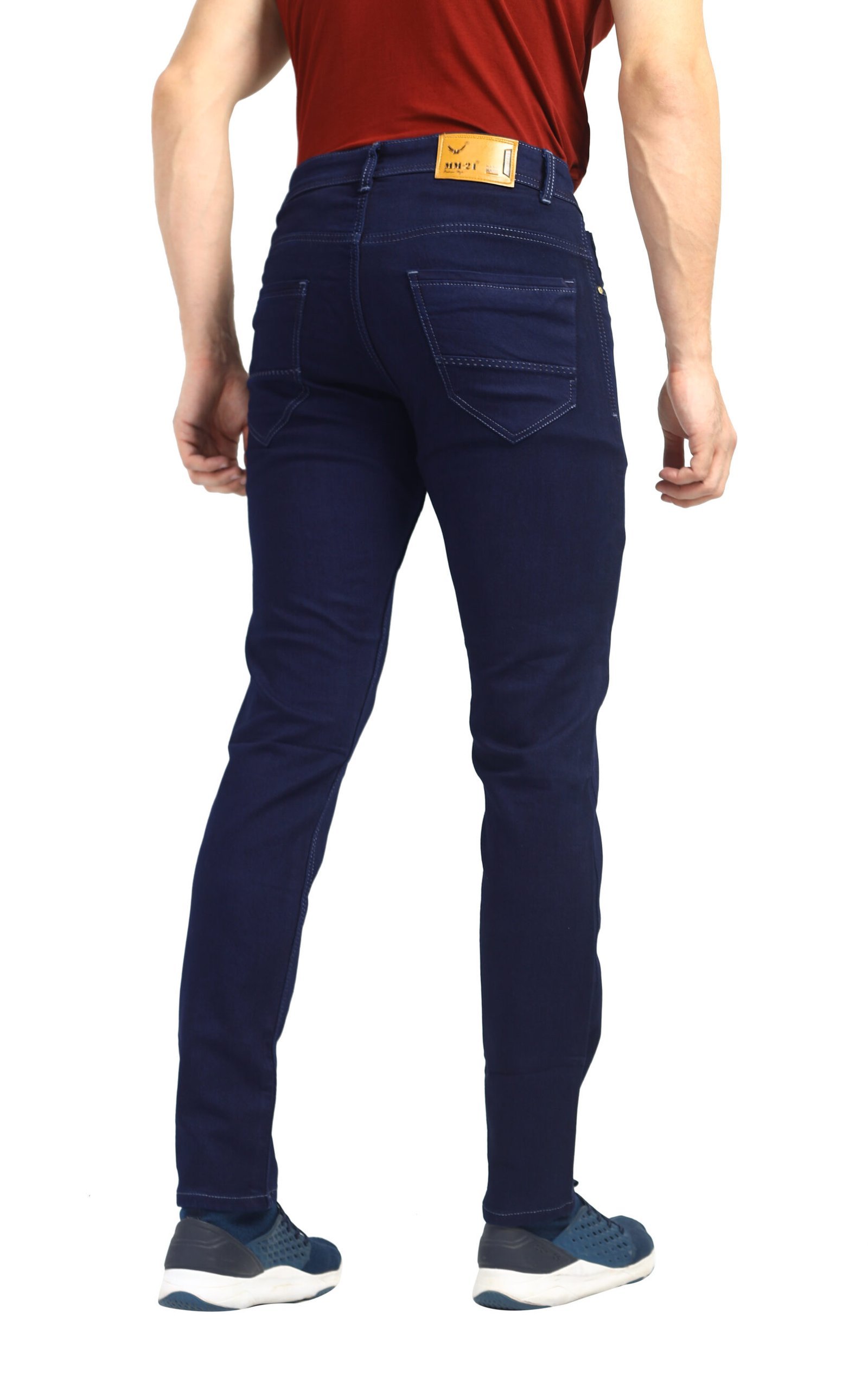
Faded denim has consistent demand across India’s retail markets. Faded regular fit jeans in mid-blue and dark washes are strong sellers for retailers catering to men between 20 and 40. The wash gives the jeans a worn-in look that customers prefer over raw denim in most price segments.

Distressed and Fashion Styles

For retailers in urban markets or boutique segments, distressed styles move well. Knee-cut distressed jeans in regular fit are a strong addition to any jeans assortment targeting younger buyers. These are not year-round basics — they are trend-driven, so order in smaller quantities and reorder based on sell-through.

Loose and Mid-Rise Fits

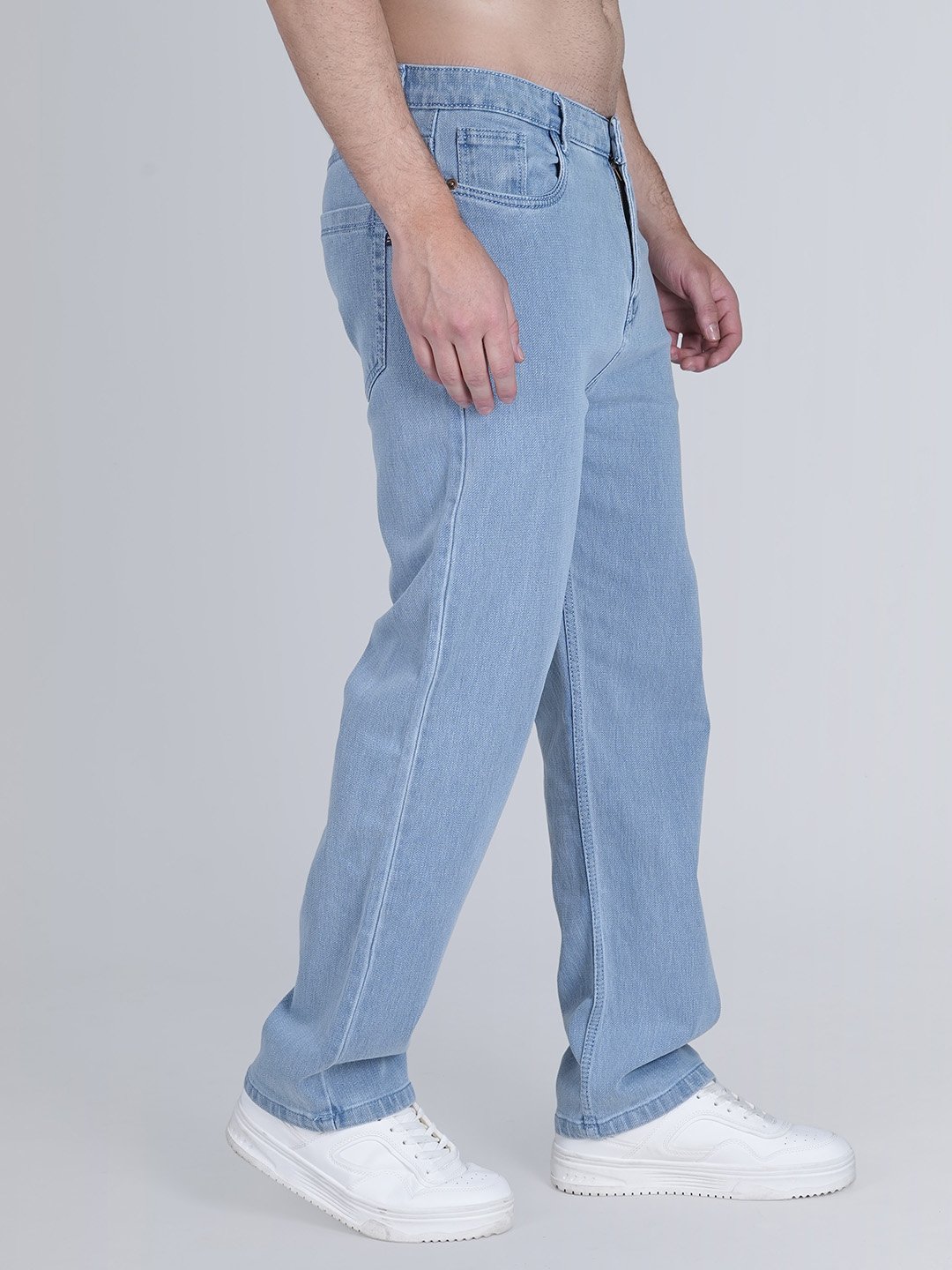
The shift toward comfort-first dressing has made loose and mid-rise fits a serious category. Loose fit mid-rise jeans are now a staple in retail assortments that previously only carried slim and regular fits. For distributors covering multiple retail accounts, adding this fit category broadens your appeal significantly.

How to Place a Bulk Jeans Order: Step by Step

If you are placing your first bulk order with a new supplier, here is a practical process that reduces risk and sets expectations correctly.

Step 1 — Define your category mix. Decide what fits and washes you want to stock. Do not try to cover everything in your first order. Pick two or three styles and go deep on those.

Step 2 — Request samples. Get physical samples of every style you plan to order. Check fit, fabric, stitching, and wash consistency.

Step 3 — Confirm pricing and MOQ. Get a written rate card with per-piece pricing at different order quantities. Understand what the MOQ is per style and whether mixing styles counts toward a combined MOQ.

Step 4 — Clarify lead time. Ask exactly how many days from order confirmation to dispatch. For standard styles without customisation, 15 to 30 days is reasonable. For custom work, expect 30 to 45 days minimum.

Step 5 — Agree on payment terms. Most Indian manufacturers work on 50 percent advance, 50 percent before dispatch for new buyers. As the relationship builds, terms often become more flexible.

Step 6 — Inspect before dispatch. If you are placing a large order, arrange for a pre-dispatch inspection or ask for photos and a video of the packed goods. This catches quality issues before the stock leaves the factory.

Pricing: What Wholesale Jeans Actually Cost in India

Pricing varies based on fabric quality, wash type, and order volume. Here is a general reference for B2B buyers:

  • Basic regular-fit jeans (standard denim): Rs. 280 to Rs. 450 per piece at wholesale
  • Faded or washed styles: Rs. 320 to Rs. 520 per piece
  • Distressed or fashion styles: Rs. 380 to Rs. 600 per piece
  • Loose fit or cargo styles: Rs. 350 to Rs. 550 per piece

These are factory-level price ranges. Prices from a trader or middleman will be 15 to 30 per cent higher for the same product. This is exactly why buying direct from a manufacturer matters at scale.

Common Mistakes B2B Buyers Make When Sourcing Jeans in Bulk

Even experienced buyers get this wrong sometimes.

Not checking size distribution. In most Indian retail markets, sizes 30, 32, and 34 account for over 70 per cent of sales. Order too heavily on 28 or 36, and you will have dead stock. Ask your supplier what size ratio other retailers in similar markets use.

Ordering too many styles at once. A wide variety order across 10 or 12 styles in small quantities is hard to manage and hard to reorder. Concentrate your first order on three to four proven styles and scale from there.

Ignoring reorder availability. Before you place your first order, ask whether the same style and fabric will be available in 60 or 90 days. Some manufacturers run styles seasonally. If you build your retail assortment around a style that gets discontinued, your reorder cycle breaks.

Choosing the lowest price without checking quality. The cheapest wholesale jeans supplier is rarely the best one. A Rs. 30 saving per piece means nothing if the return rate from your retail customers goes up or the fabric fades badly after two washes.

Why Ahmedabad Is the Right Base for Wholesale Jeans Sourcing

For any B2B buyer focused on denim, Ahmedabad is the city that makes the most commercial sense. The proximity to denim fabric mills keeps raw material costs lower. The density of manufacturers creates competitive pricing without sacrificing quality. And the city has decades of production expertise specifically in jeans and bottom-wear.

Retailers and distributors from across Maharashtra, Rajasthan, Madhya Pradesh, and West Bengal regularly source from Ahmedabad. For more on why this city specifically dominates denim manufacturing, this guide on wholesale jeans manufacturers in India explains the full picture.

If you are comparing suppliers across cities, this breakdown of India as a wholesale jeans manufacturing hub is worth reading before you finalise your sourcing decision.

Private Label and Custom Options for Distributors

If you are a distributor or a buyer building your own brand, private label manufacturing is a service many Ahmedabad-based manufacturers offer. This means:

  • Your brand label stitched into every garment
  • Branded hang tags, buttons, and packaging
  • Exclusive washes or colourways not in the standard range
  • Custom fits or size grading on request

Private label orders typically have a higher MOQ than standard wholesale orders, but the margin advantage at retail is significant. Instead of selling someone else’s product, you are building brand equity on every piece you move.

Partner with a Trusted Wholesale Jeans Manufacturer in India

Sourcing from wholesale jeans suppliers in India gives B2B buyers and distributors access to one of the most cost-efficient denim manufacturing ecosystems in the world. The key is knowing how to tell a genuine manufacturer apart from a trader, what questions to ask before placing an order, and how to structure your buying to avoid the mistakes that most new buyers make.

Ahmedabad’s manufacturing base gives you pricing, variety, and production expertise that is hard to match anywhere else. Whether you are placing your first bulk order or looking to switch from your current supplier to a more reliable direct source, the infrastructure is already there.

Mala Merchant is a direct manufacturer based in Ahmedabad, working with retailers and distributors across India on bulk jeans orders. If you are ready to discuss your requirements, share your bulk order details, and the team will get back to you with pricing, samples, and availability.

Frequently Asked Questions

What is the minimum order quantity (MOQ) for wholesale jeans in India?


For standard apparel styles, most manufacturers set minimum orders at 50 to 100 pieces per style. Custom production or private label orders typically require 200 pieces or more per design.

Can I mix different styles within a single bulk order?


Yes, most manufacturers allow buyers to mix different styles to fulfill an overall order quantity. Always confirm terms beforehand, as some suppliers enforce strict per-style minimums.

How do I verify if a wholesale jeans supplier is an actual manufacturer?


Request a live video tour of the production facility, ask for GST registration details, and check monthly production output alongside fabric source details. Legitimate manufacturers will provide these transparently.

What is the standard lead time for bulk denim production?


Standard order fulfillment takes 15 to 30 days. Custom fits, private labeling, or larger volumes require around 30 to 45 days. Always secure written confirmation on lead times before finalizing payment.

Do Indian denim manufacturers handle international exports?


Yes, established manufacturers in hubs like Ahmedabad regularly export to buyers across the Middle East, Africa, Southeast Asia, and Europe while assisting with export documentation and shipping logistics.

How do I find a reliable jeans supplier in Ahmedabad?


Check out our detailed guide on finding a reliable jeans supplier in Ahmedabad to understand verification steps, factory audits, and quality checks before signing contracts.

Ready to Source Wholesale Clothing Directly from Manufacturers?

Get factory-direct pricing on denim, cargos, and formal trousers with low MOQs and pan-India shipping.
Categories
Blog

Top Wholesale Clothing Suppliers in India: How Retailers Can Buy Directly from Manufacturers

If you run a clothing store, a boutique, or a retail business, the supplier you choose decides your profit margin. Not your price tags. Not your location. Your supplier. Retailers who buy direct from a manufacturer in India consistently stock better, spend less per unit, and scale faster than those who go through middlemen.

This guide breaks down how the wholesale clothing market in India works, what you should check before placing a bulk order, and how to build a long-term sourcing relationship that actually holds up.

Why India Is the Sourcing Hub Every Retailer Should Know

India has been a textile and garment production centre for decades. Cities like Ahmedabad, Surat, Mumbai, and Ludhiana each specialise in different categories. Ahmedabad, in particular, has become one of the most reliable bases for denim and bottom-wear manufacturing.

The reasons retailers across Maharashtra, West Bengal, Rajasthan, and even international markets keep returning to Indian manufacturers:

  • Lower per-unit cost compared to buying from local distributors
  • Direct customisation on fits, washes, and fabric weights
  • Faster restocking when you have a direct factory relationship
  • No middleman markup eating into your margin

For any retailer serious about scaling, understanding how to source from wholesale clothing suppliers in India is non-negotiable.

What “Buying Direct from Manufacturer” Actually Means

There is a real difference between a wholesaler and a manufacturer. A wholesaler buys from the factory, adds their margin, and sells to you. A manufacturer makes the product. When you cut out that middleman layer, you get:

  • Pricing that is 15 to 35 percent lower on average
  • The ability to request specific sizes, fits, or colour runs
  • Faster communication when a quality issue comes up
  • MOQ (minimum order quantity) flexibility on repeat orders

Buying direct does not mean you need to place enormous orders from day one. Many manufacturers in India, especially in Ahmedabad, work with growing retailers on MOQs that fit where you actually are, not where they wish you were.

Categories You Can Source Directly in India

India’s garment manufacturing base is wide. Here is what is consistently available for direct purchase:

Men’s Denim and Bottom-Wear

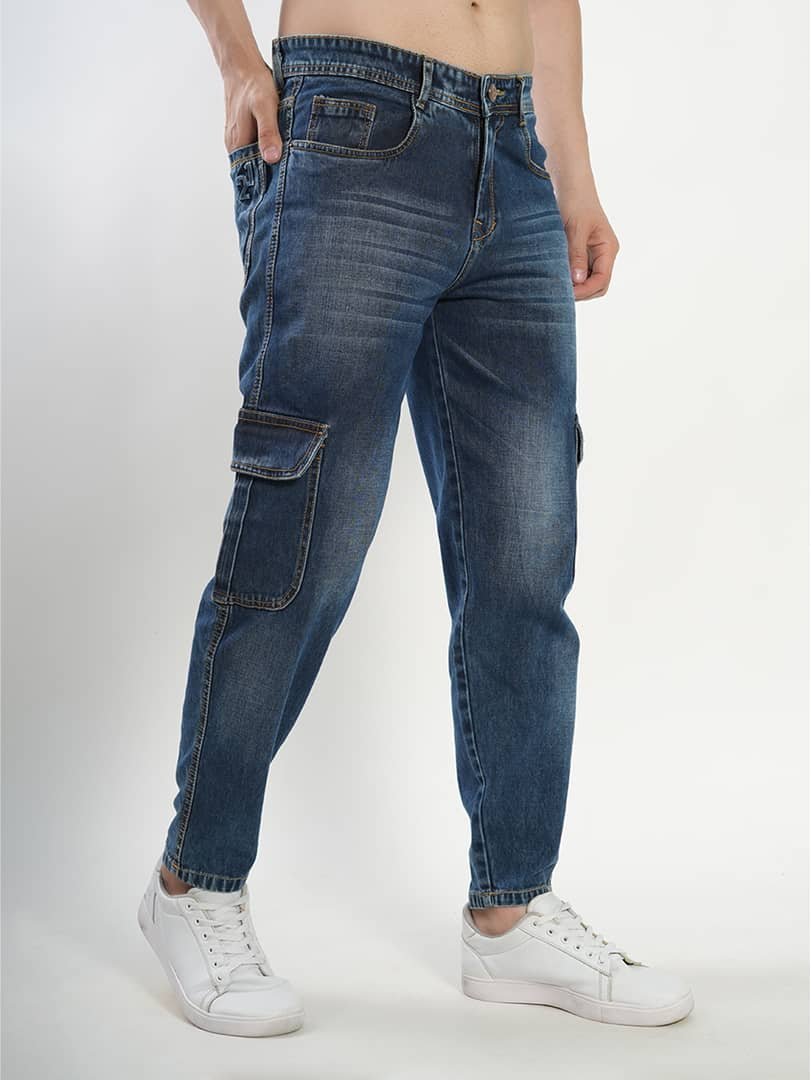
Denim is where Indian manufacturing is hardest to beat on price and quality. From basic regular fit jeans to more fashion-forward cuts like loose fit denim cargo jeans, manufacturers in Ahmedabad produce across a wide range of fits and washes.

If your store caters to men between ages 18 and 40, this segment should be your core sourcing focus. Slim fit, regular fit, cargo-style, distressed, faded — these are not seasonal experiments. They are year-round bestsellers in every retail market across India.

Women’s Denim and Casual Wear

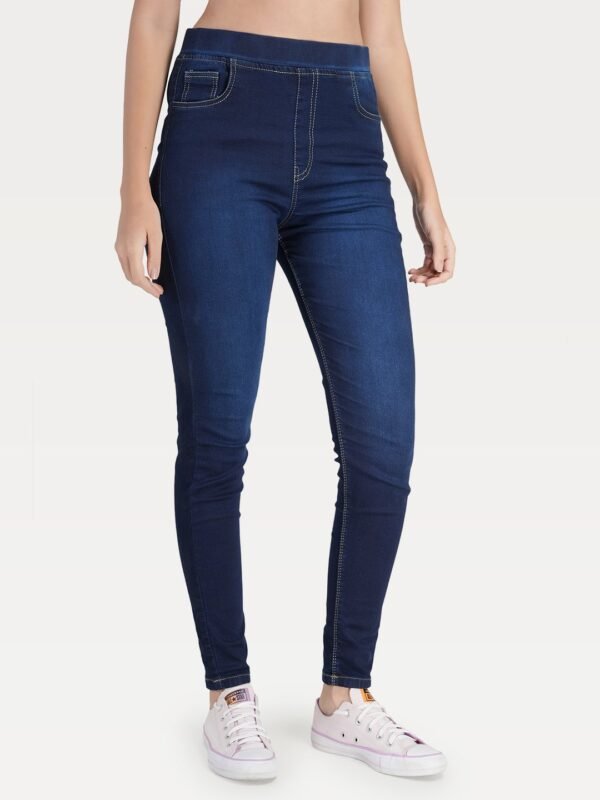
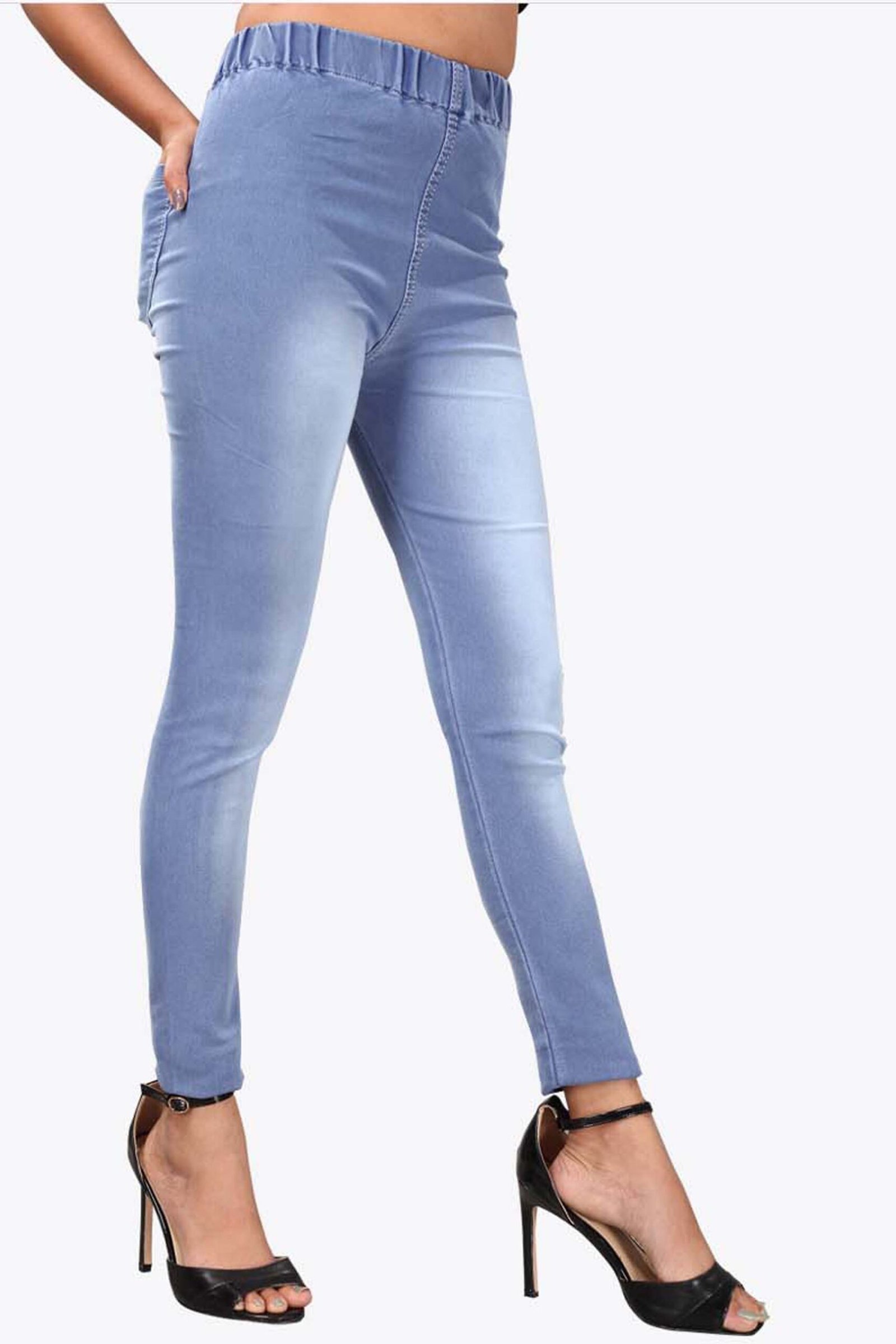
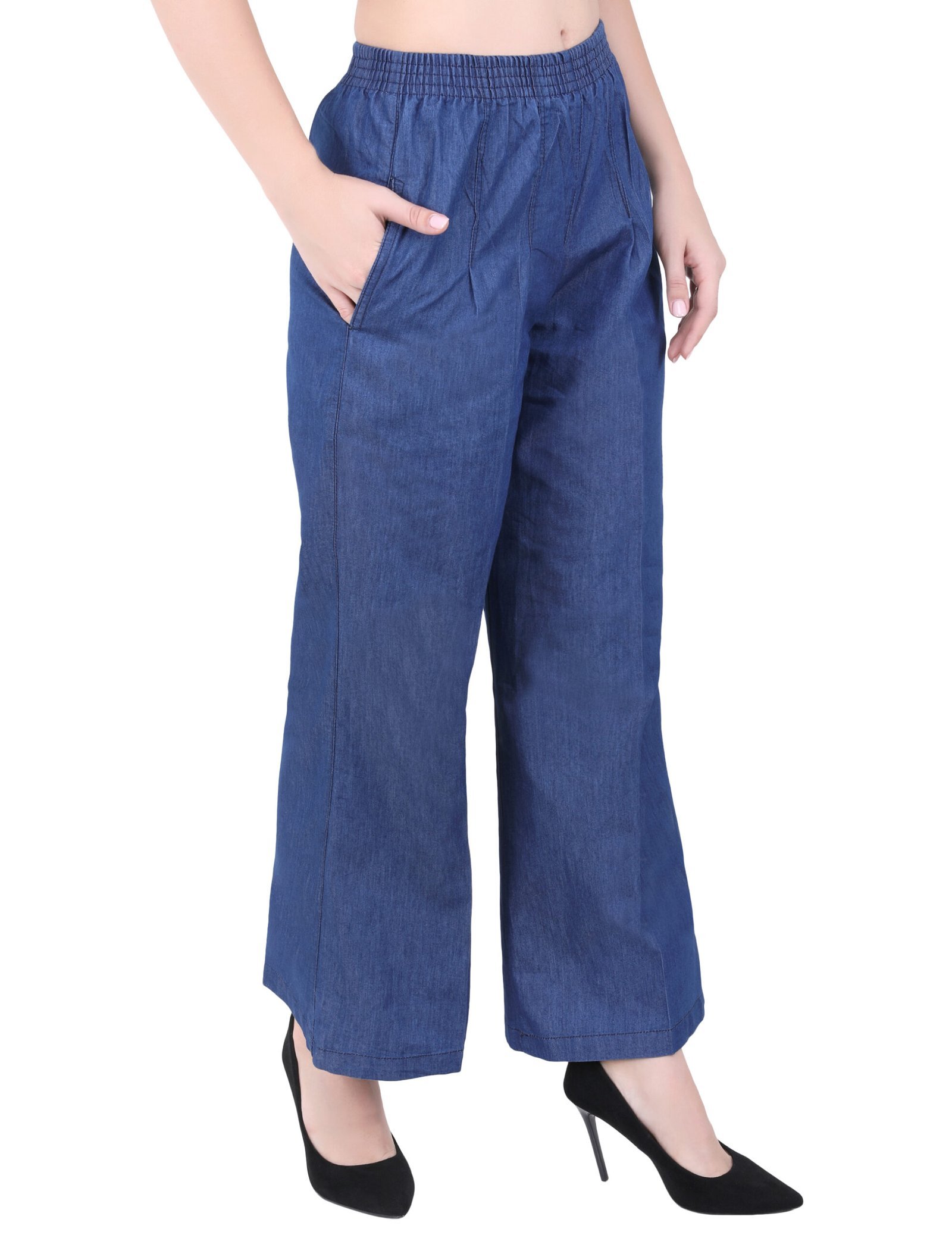
The women’s segment has grown significantly in wholesale demand over the last two years. Retailers stocking jeggings, capris, palazzo pants, and cargo jeans for women are seeing stronger repeat purchases than almost any other category.

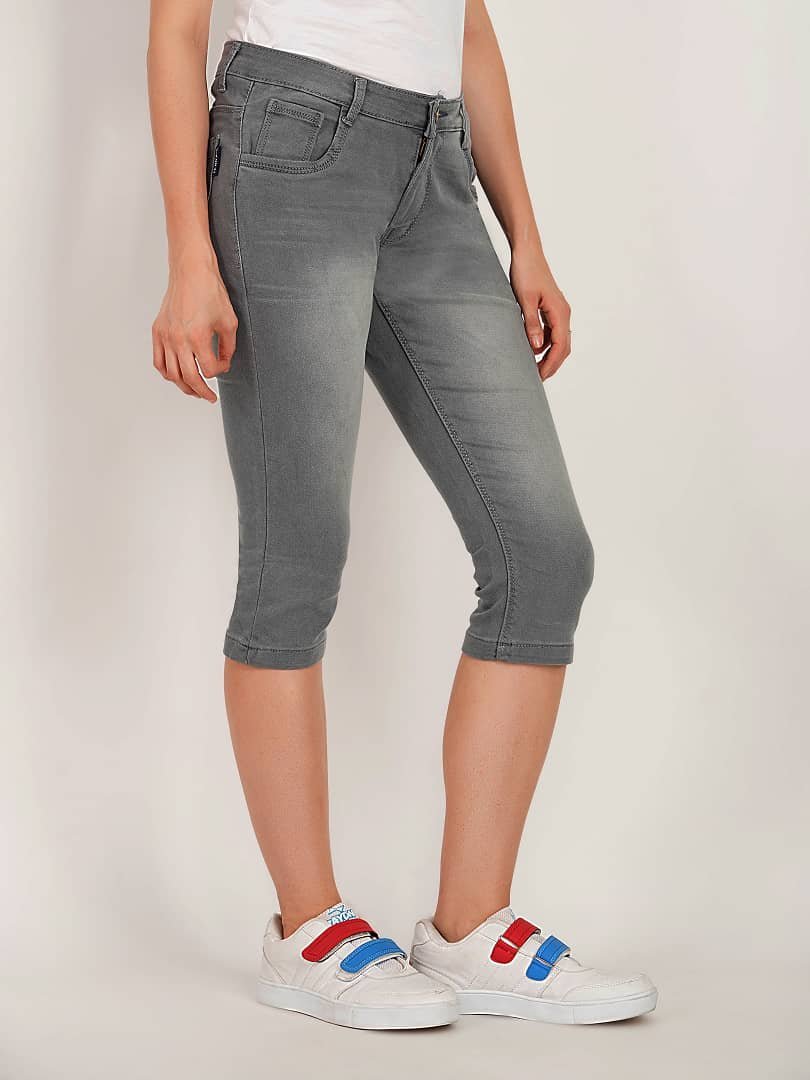
Styles like skinny fit capri jeans and women’s cargo jeans work across tier-2 and tier-3 markets just as well as metro retail.

Formal and Semi-Formal Trousers

Beyond denim, Indian manufacturers also supply formal bottom wear. If your store stocks office wear or semi-formal categories, slim-fit formal trousers are a category worth adding to your bulk sourcing list. Formal trousers bought in bulk from a direct manufacturer come at a fraction of the cost compared to distributor pricing.

How to Evaluate Wholesale Clothing Suppliers in India

Not every supplier who calls themselves a manufacturer actually is one. Here is how to verify and evaluate before you commit to an order.

Check If They Own a Production Unit

A real manufacturer has a factory. Ask for photos or a video call walkthrough of the production floor. Ask about the machines they use, the number of workers, and their monthly production capacity. If they cannot answer these questions confidently, they are likely a trading company, not a manufacturer.

Ask About Fabric Sourcing

Where does their denim come from? Reputable manufacturers in India source fabric from certified mills and can tell you GSM (grams per square metre) ratings, stretch percentages, and wash durability. If they cannot speak to fabric quality in any detail, that is a red flag.

Request Samples Before Bulk Orders

No serious retailer places a large order without a sample. Always request a sample of the exact product, exact wash, and exact size you plan to stock. Check stitching quality, zipper durability, waistband elasticity, and colour consistency.

Understand Their MOQ Policy

A supplier with a rigid, very high MOQ is not always the right fit for a growing retailer. Look for manufacturers who offer tiered MOQs — lower quantities for first orders with better pricing unlocked as your order volume grows.

Look for Transparent Pricing

A trustworthy manufacturer gives you a clear price breakdown: fabric cost, stitching, finishing, packaging, and any additional charges for custom labelling or private label. Avoid suppliers who give vague “it depends” answers on pricing without a proper rate card.

The Real Advantage of Sourcing from Ahmedabad

Ahmedabad is not just a city. For wholesale jeans and denim garment sourcing, it is one of the most cost-efficient manufacturing zones in the country. The concentration of denim mills, fabric markets, and garment factories in and around Ahmedabad creates a supply chain efficiency that keeps production costs lower than almost anywhere else in India.

Retailers from Gujarat, Maharashtra, Madhya Pradesh, and Rajasthan regularly source from Ahmedabad because of proximity. But manufacturers here also serve buyers from Kolkata, Delhi, Chennai, and international markets through shipped orders.

The wholesale clothing suppliers in India who operate out of Ahmedabad specifically tend to specialise in denim, cargo, and bottom wear — which means you get depth of product knowledge, not just a generic catalogue. If you want a closer look at why Ahmedabad stands out for denim sourcing, this guide on wholesale jeans manufacturers in Ahmedabad covers it in detail.

What Retailers Often Get Wrong When Sourcing in Bulk

Even experienced buyers make sourcing mistakes that cost them. Here are the most common ones:

Ordering too much variety in one go. When you are testing a new supplier, stick to two or three styles. Do not spread your first order across fifteen SKUs. You will end up with stock that is hard to manage and returns that are hard to negotiate.

Ignoring size distribution. In India, the most commonly sold sizes in jeans for men are 30, 32, and 34. For women, sizes 28 to 34 move fastest in most markets. Ask your supplier what size distribution they recommend based on their other retail clients. A manufacturer who works with hundreds of retailers has data you do not.

Not clarifying lead time upfront. Bulk orders take time. If you need stock for a festive season, plan your order at least 45 to 60 days in advance. Many retailers assume faster turnaround and end up with empty shelves during peak season.

Skipping the reorder conversation. Ask before your first order how reorders are handled. Can you reorder the same style in six weeks? Is the fabric still available? A good manufacturer will give you honest answers on this.

Private Label and Custom Manufacturing Options

If you want to build a brand rather than just retail someone else’s stock, private label manufacturing is the path. Many wholesale clothing manufacturers in India, particularly in Ahmedabad, offer private label services where your brand name goes on the garments.

This includes:

  • Custom woven labels and hang tags
  • Branded buttons and zippers
  • Exclusive colourways not available in their standard range
  • Custom packaging

Private label is not just for large brands. Small boutiques with a loyal customer base are increasingly adding their own label to wholesale products to build recognition and justify better retail margins.

How to Start Your First Bulk Order

If you are ready to move from local distributors to direct manufacturer sourcing, here is a practical starting point:

  1. Shortlist two or three manufacturers based on their product range and your category focus
  2. Request samples from each
  3. Compare quality, lead time, and pricing
  4. Start with a focused first order — one or two styles, three to four sizes
  5. Evaluate sell-through rate before scaling volume

The manufacturers who are serious about retail partnerships will walk you through this process. Those who push you to place a large order immediately without letting you evaluate samples are not suppliers you want a long-term relationship with.

Ready to place your first bulk order or just want to check pricing before you decide? You can share your bulk order details, and the team will get back to you with product availability, MOQ details, and sample options.

Conclusion

Sourcing direct from wholesale clothing suppliers in India is one of the most effective ways to improve your retail margins without compromising on product quality. The key is knowing what to verify, what questions to ask, and how to build a relationship that works across multiple orders, not just the first one.

India’s garment manufacturing base, especially in cities like Ahmedabad, gives retailers access to a wide range of products at pricing that simply cannot be matched by local distributors. If your store stocks denim, casual wear, or formal trousers for men or women, the sourcing infrastructure is already there. You just need to connect with the right manufacturer.

Mala Merchant works directly with retailers across India, offering bulk pricing, sample availability, and a product range that covers men’s and women’s denim, cargo, trousers, and casual bottom wear. For retailers who want to move from middlemen to direct sourcing, the conversation starts here.

Frequently Asked Questions

Which fabric weight works best for denim jeans in India?


Lightweight 7–10 oz denim works best for warm Indian weather and daily wear. For winter collections, heavier 11–13 oz fabric provides the right warmth and structure.

How can buyers check denim quality before bulk ordering?


Order a sample batch first. Inspect heavy-duty pocket stitching, zipper smoothness, fabric stretch recovery, wash durability, and post-wash shrinkage before finalizing orders.

What is the main difference between stretch and rigid denim?


Rigid denim uses 100% cotton for traditional durability, while stretch denim blends 1–5% elastane for maximum comfort. Stretch fabric fits skinny jeans best, while rigid suits classic straight fits.

Why do some cheap jeans lose color during the first wash?


Poor dye fixing causes rapid color bleeding. Retailers should perform a wet fabric rub test on sample pieces to verify color fastness before placing bulk inventory orders.

What details should you ask a denim manufacturer before buying?


Confirm fabric weight (oz), elastane percentage, stitch count per inch (SPI), wash type, estimated production lead times, and GST billing support before transferring payments.

Ready to Source Wholesale Clothing Directly from Manufacturers?

Get factory-direct pricing on denim, cargos & formal trousers with low MOQs and pan-India shipping.
Categories
Blog

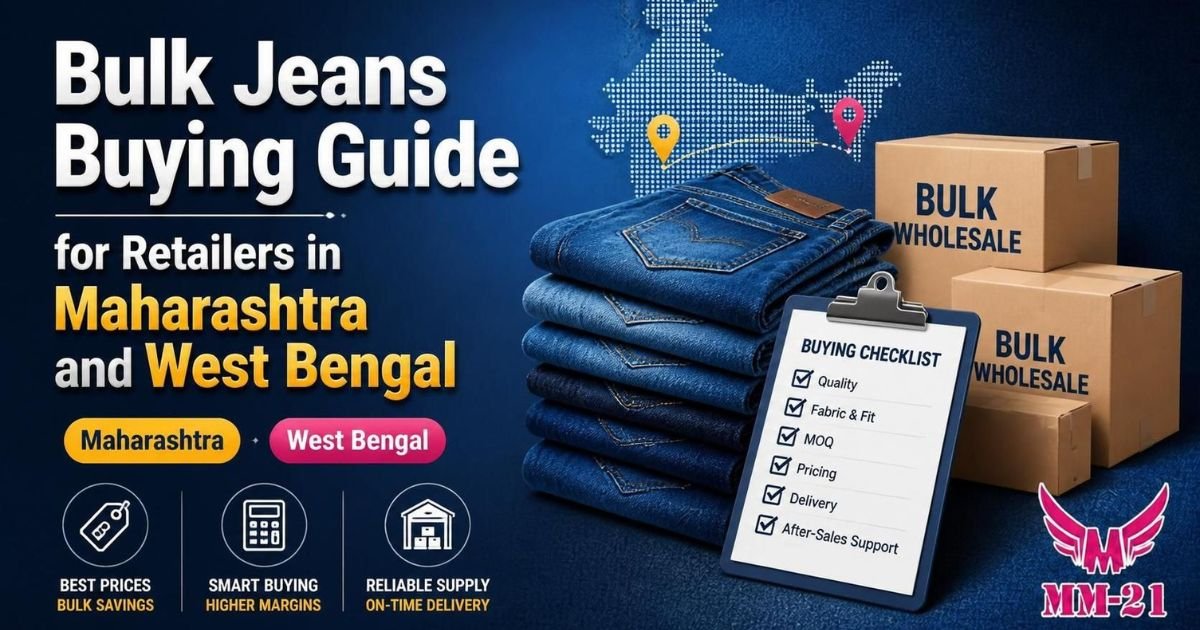
Bulk Jeans Buying Guide for Retailers in Maharashtra and West Bengal

If you run a jeans retail business in Maharashtra or West Bengal, you already know the challenge: the best wholesale jeans prices in India come from Ahmedabad — but sourcing from a city 1,000+ kilometres away feels complicated.

How do you verify quality without visiting in person? How do you handle shipping and returns? What are the minimum order quantities? Is it really worth buying directly from an Ahmedabad manufacturer instead of your local wholesale market?

The answer is yes — and this guide tells you exactly how to do it.

Whether you’re in Mumbai, Pune, Nagpur, Kolkata, or any smaller town in Maharashtra or West Bengal, this is your complete roadmap to sourcing bulk jeans directly from India’s denim manufacturing capital.

Why Retailers in Maharashtra & West Bengal Should Source from Ahmedabad

Most retailers in Maharashtra and West Bengal currently buy from:

  • Local wholesale markets (Crawford Market in Mumbai, Metiabruz in Kolkata)
  • Regional distributors who add 15–25% on top of manufacturer prices
  • Online B2B platforms like IndiaMART (quality inconsistent, MOQ varies)

Here’s what you’re missing by not going direct:

Sourcing Method Price Level Quality Control Variety
Local wholesale market High (2–3 middlemen) Low Limited
Regional distributor Medium-High (1–2 middlemen) Medium Medium
B2B platform (IndiaMART) Medium Inconsistent High
Direct from Ahmedabad manufacturer Lowest (factory-direct) High Highest

The difference in cost: Buying directly from a wholesale jeans manufacturer and supplier in Ahmedabad, Gujarat, typically saves retailers 25–40% compared to buying through local distributors.

On a ₹1,00,000 monthly stock purchase, that’s ₹25,000–₹40,000 in savings — every single month.

Part 1: Understanding the Maharashtra Jeans Market

Maharashtra is India’s largest state economy — and one of the most diverse jeans markets in the country. Different cities have very different demand patterns.

Mumbai

  • Market type: Urban, fashion-forward, price-conscious but quality-aware
  • Top-selling styles: Slim fit, skinny, high-waist women’s jeans, cargo for men
  • Price range customers accept: ₹400–₹1,200 retail
  • Key buying seasons: Pre-festive (August–October), New Year (December–January)

Pune

  • Market type: Young population (students + IT professionals), trend-aware
  • Top-selling styles: Baggy jeans, joggers, stretch skinny, women’s cargo
  • Price range: ₹400–₹1,500 retail
  • Key buying seasons: College season (June–July), festive (October–November)

Nagpur

  • Market type: Mix of urban and semi-urban, value-conscious
  • Top selling styles: Classic straight fit, stone wash, mid-rise women’s jeans
  • Price range: ₹300–,₹800 retail
  • Key buying seasons: Diwali (October–November), summer (March–April)

Nashik, Aurangabad, Kolhapur (Tier 2 Maharashtra)

  • Market type: Traditional retail, function over fashion
  • Top-selling styles: Straight-fit men’s, classic women’s jeans, basic stretch
  • Price range: ₹250–₹700 retail
  • Key buying seasons: Navratri, Diwali, wedding season

What to Stock for Maharashtra Overall:

  • Women’s jeans: High demand across all cities — slim fit, skinny, high waist, cargo
  • Men’s jeans: Strong straight-fit demand, growing cargo and baggy in metros
  • Mix of stretch and non-stretch — lean toward stretch for Mumbai/Pune, more rigid for Nagpur/Nashik

Explore women’s wholesale jeans collection and men’s wholesale jeans collection to find styles that match Maharashtra’s market.

Part 2: Understanding the West Bengal Jeans Market

West Bengal — especially Kolkata — is one of India’s most style-conscious fashion markets, but with a very different sensibility from Mumbai or Delhi.

Kolkata

  • Market type: Fashion-aware, strong preference for value + style balance
  • Top-selling styles: Slim fit, straight fit, women’s jeggings, capri
  • Price range: ₹300–₹1,000 retail
  • Key buying seasons: Durga Puja (October) is THE biggest buying season — stock up 2 months early

Howrah, Asansol, Durgapur (Industrial Belt)

  • Market type: Working-class and middle-income, practical buyers
  • Top-selling styles: Classic straight fit, basic stretch jeans, men’s trousers
  • Price range: ₹250–₹600 retail
  • Key buying seasons: Durga Puja, Eid (for Muslim-majority areas)

Siliguri & North Bengal

  • Market type: Gateway to Northeast India — also supplies retailers in Assam, Meghalaya
  • Top-selling styles: Mid-weight straight fit, women’s jeans (slim + straight), men’s cargo
  • Price range: ₹300–₹800 retail
  • Key buying seasons: Durga Puja, Christmas (significant Christian population nearby)

Climate Consideration for West Bengal:

West Bengal is hot and humid for most of the year — this matters when choosing denim weight.

  • Recommended fabric weight: 7–9 oz maximum for most of the year
  • Stretch denim is preferred – more comfortable in humid weather
  • Avoid stocking 12+ oz heavy denim in bulk — there is very low demand except in winter months

Part 3: How to Source Jeans from Ahmedabad — Step by Step

Here’s exactly how a retailer in Maharashtra or West Bengal can start buying directly from an Ahmedabad-based wholesale jeans supplier in India:

Step 1: Identify Your Requirements

Before contacting any manufacturer, know:

  • Which styles do you need? (men’s / women’s / both)
  • What quantity? (total pieces per order)
  • What price range are you targeting?
  • Do you need a GST invoice?

Step 2: Contact the Manufacturer

  • Reach out via WhatsApp, phone, or website contact form
  • Share your requirements clearly
  • Ask for a catalogue with prices and MOQ details
  • Request fabric details — weight, stretch percentage, wash type

Step 3: Request Samples

  • Always request 5–10 sample pieces before a bulk order
  • Most manufacturers ship samples at cost price + shipping
  • Test quality thoroughly (refer to our denim fabric quality guide for what to check)

Step 4: Confirm MOQ and Pricing

  • Negotiate based on your order volume
  • Larger orders = better per-piece pricing
  • Confirm: per piece price, GST rate, packaging, and shipping terms

Step 5: Place Your Order

  • Confirm payment terms (advance / partial advance / credit for established buyers)
  • Share delivery address and preferred courier
  • Get a written order confirmation with itemized details

Step 6: Track Shipment & Inspect on Arrival

  • Most Ahmedabad manufacturers ship via DTDC, Delhivery, BlueDart, or transport
  • Transit time to Maharashtra: 2–4 days
  • Transit time to West Bengal: 4–6 days
  • Inspect pieces on arrival before signing delivery receipt

Part 4: Shipping from Ahmedabad to Maharashtra & West Bengal

One of the biggest concerns for out-of-state retailers: shipping costs and reliability.

Here’s the reality:

Shipping Costs (Approximate)

Destination Weight Estimated Cost
Mumbai 10 kg ₹200–₹350
Pune 10 kg ₹220–₹380
Nagpur 10 kg ₹250–₹400
Kolkata 10 kg ₹300–₹500
Siliguri 10 kg ₹350–₹550

Note: For large bulk orders (50 kg+), surface transport (truck) is significantly cheaper than courier — ask your manufacturer about transport options for bigger orders.

Transit Times

  • Ahmedabad → Mumbai/Pune: 2–3 days (courier), 3–4 days (surface)
  • Ahmedabad → Nagpur: 3–4 days (courier), 4–5 days (surface)
  • Ahmedabad → Kolkata: 4–5 days (courier), 5–7 days (surface)

Tips for Smooth Shipping:

  • Always get a tracking number before the manufacturer dispatches
  • For large orders, ask for insurance on the shipment
  • Confirm if the manufacturer uses trusted couriers (Delhivery, BlueDart, DTDC)
  • For regular bulk orders, many manufacturers offer free or subsidized shipping above a certain order value

Part 5: MOQ Guide for Out-of-State Retailers

Minimum Order Quantity (MOQ) is often the biggest barrier for new retailers thinking about sourcing directly from manufacturers.

Here’s a realistic breakdown:

Supplier Type MOQ Suited For
Large factory 500–1000 pieces Large distributors only
Mid-size manufacturer 100–300 pieces Established retailers
Retail-friendly manufacturer 24–100 pieces New and growing retailers

The good news: Many Ahmedabad manufacturers — including Mala Merchant — offer retailer-friendly MOQs that make direct sourcing accessible even if you’re placing your first out-of-state order.

For a retailer in Pune or Kolkata placing their first order, a 50–100 piece order across 3–5 styles is a practical starting point. This gives you enough variety without over-committing budget.

Contact our wholesale jeans team to discuss MOQ options suited to your business size.

Part 6: GST & Billing — What You Need to Know for Inter-State Purchases

Buying from Gujarat when you’re in Maharashtra or West Bengal involves inter-state GST (IGST) — here’s what you need to know:

GST on Jeans / Denim Garments:

  • HSN Code: 6203 (Men’s), 6204 (Women’s)
  • GST Rate: 12% on garments priced above ₹1,000 MRP; 5% below ₹1,000 MRP

For Inter-State Purchase (Gujarat → Maharashtra / West Bengal):

  • Supplier charges IGST (Integrated GST) on the invoice
  • You claim this as Input Tax Credit (ITC) against your output GST
  • Net effect: you effectively pay zero GST if you’re a GST-registered retailer

What You Need:

  • Your GSTIN (GST Identification Number)
  • Supplier’s GSTIN
  • Proper tax invoice from the manufacturer

Always buy from a manufacturer who issues proper GST invoices. Unregistered suppliers or those issuing informal bills cannot give you an ITC benefit — and this is a significant financial loss on bulk orders.

Part 7: Building a Seasonal Buying Calendar

Timing your orders right is as important as sourcing right. Here’s a buying calendar tailored for Maharashtra and West Bengal retailers:

Maharashtra Buying Calendar:

Month Action Reason
January Restock summer styles Pre-summer demand
March–April Buy light denim, women’s jeans Summer buying peak
June–July Stock up for monsoon + college season Pune college market
August Place pre-festive bulk order Navratri, Dussehra prep
September–October Festive season selling Navratri, Diwali
November Restock for winter North Maharashtra winter demand
December Year-end sales stock New Year buying

West Bengal Buying Calendar:

Month Action Reason
January–February Restock after winter Post-Puja inventory reset
April Summer stock order Hot season begins
July–August CRITICAL: Place Durga Puja order Puja is the biggest season
September–October Durga Puja selling season Highest sales of the year
November Post-Puja restock Winter begins, demand continues
December Christmas + New Year stock Siliguri and North Bengal

Key Insight for West Bengal Retailers: Durga Puja (October) accounts for 30–40% of annual fashion retail sales in Kolkata. Place your bulk order by mid-August at the latest to ensure stock arrives in time.

Why Mala Merchant is the Right Supplier for Maharashtra & West Bengal Retailers

Mala Merchant is a trusted women’s jeans manufacturer and supplier in India based in Ahmedabad, Gujarat – serving retailers across all states, including Maharashtra and West Bengal.

What makes Mala Merchant the right partner for out-of-state retailers:

  • Factory-direct pricing — no middlemen, no hidden margins
  • Pan-India shipping — reliable courier and transport to all states
  • GST-compliant billing — proper IGST invoices for ITC benefit
  • Retailer-friendly MOQ — suitable for both new and established retailers
  • Wide variety — men’s, women’s, all categories and fits
  • Consistent quality — verified fabric specs and construction standards
  • Responsive support — WhatsApp and call support for order queries

Explore the full wholesale denim collection — or contact our team directly to discuss your requirements.

You can also explore location-specific pages:

Complete Checklist for Maharashtra & West Bengal Retailers

  • [ ] Identified your city’s demand pattern (metro vs Tier 2/3)
  • [ ] Listed styles needed — men’s, women’s, or both
  • [ ] Set your seasonal buying calendar
  • [ ] Contacted 2–3 Ahmedabad manufacturers for catalogues and pricing
  • [ ] Placed sample order and verified quality
  • [ ] Confirmed GST registration for ITC benefit on inter-state purchase
  • [ ] Confirmed MOQ and shipping terms
  • [ ] Planned order timing — especially for Diwali (Maharashtra) and Durga Puja (West Bengal)

Frequently Asked Questions

What fabric weight is best for jeans in India?


For most Indian markets, 7–10 oz is ideal — comfortable in warm weather while being durable enough for daily wear. For North India winter stock, 11–13 oz works well.

How do I test denim quality before placing a bulk order?


Request sample pieces and check stitching at stress points, zipper quality, colour fastness (rub test), shrinkage after one wash, and size consistency across multiple pieces.

What is the difference between stretch and non-stretch denim?


Non-stretch denim is 100% cotton — more durable and structured. Stretch denim contains 1–5% elastane — more comfortable and flexible. For women’s jeans and slim fits, stretch is preferred. For men’s classic styles, non-stretch or low stretch (1–2%) works better.

Why do some jeans fade or bleed colour after one wash?


This is a dye quality and colour fastness issue. Always perform a rub test with a wet white cloth on any new sample before bulk ordering. Good quality jeans from a reliable denim jeans manufacturer should have minimal colour transfer.

What should I ask a wholesale jeans manufacturer before ordering?


Ask for fabric weight (oz), elastane percentage, weave type, wash process, SPI (stitches per inch), and whether they provide GST-compliant invoicing. A manufacturer who answers all these confidently is reliable.

Ready to Source Jeans Directly from Ahmedabad?

Get factory-direct pricing, low MOQs, and pan-India delivery.

Categories
Blog

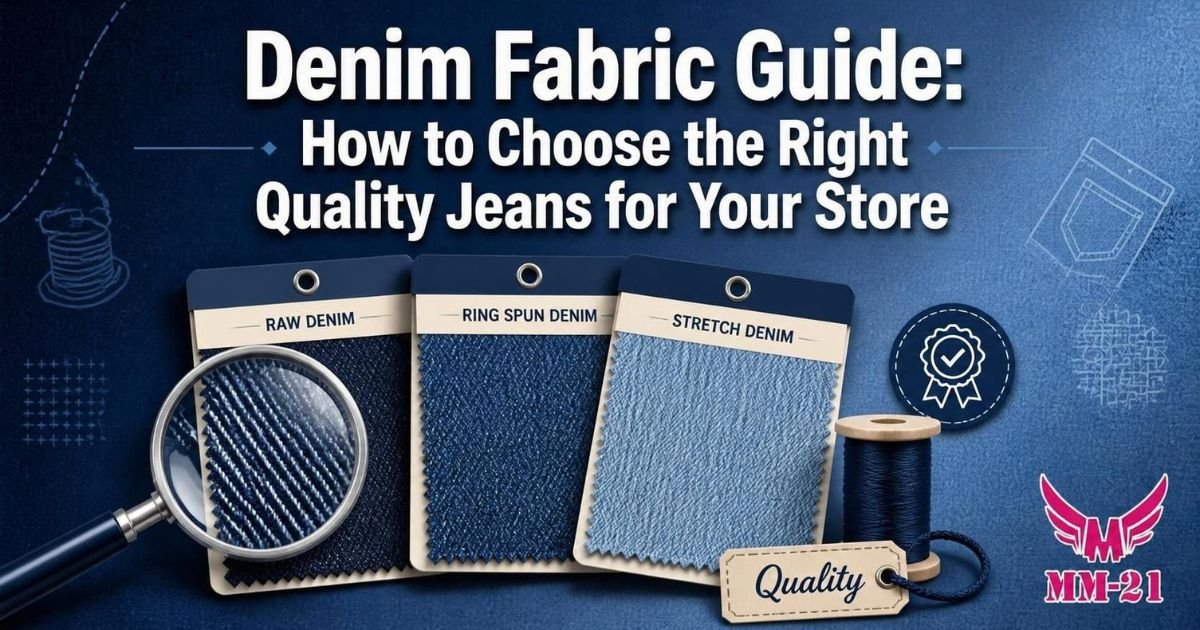
Denim Fabric Guide: How to Choose the Right Quality Jeans for Your Store

You place a bulk order. The jeans arrive. They look great in the packaging. Your customers buy them. Then, within 2 weeks, the complaints start. Colour fading after one wash. Zipper breaking. Waistband stretching out of shape. Stitching coming loose at the pocket.

Sound familiar?

Most retail losses in the jeans business don’t come from buying the wrong style. They come from buying the wrong fabric and construction quality. And the frustrating part? Most retailers don’t know how to evaluate denim quality before placing an order.

This guide changes that. If you are buying from a denim jeans manufacturer Ahmedabad or sourcing from a wholesale market here is exactly what to look for. Fabric weight, stretch, wash type construction, quality and what works best for the Indian market.

Part 1: Understanding Denim Fabric Weight (OZ)

The single most important number in denim quality is fabric weight, measured in ounces per square yard (oz).

Weight Category Best For
4–6 oz Lightweight / Summer Denim Jeggings, summer jeans, women’s slim fit
7–9 oz Mid-weight Everyday jeans, joggers, casual styles
10–12 oz Standard Denim Classic straight fit, cargo jeans, trousers
13–16 oz Heavy Denim Raw denim, premium styles, winter wear
16 oz+ Selvedge / Raw Denim Premium/luxury segment only

What Does This Mean for Indian Retailers?

India’s climate is largely warm and humid for 8–9 months of the year. This means:

  • 7–10 oz is the sweet spot for most Indian markets – comfortable year-round
  • 4–6 oz works well for women’s jeggings, capris, and summer styles
  • 12+ oz is best kept for North India winter stock (October–January)
  • Avoid stocking heavy denim in coastal cities like Mumbai, Chennai, and Kolkata

Pro Tip: Always ask your bulk denim jeans supplier for the fabric weight (in oz) before placing an order. A supplier who can’t tell you the weight is a red flag.

Part 2: Stretch vs Non-Stretch Denim — Which Should You Stock?

This is the question every retailer asks. Here’s the honest answer: both, in the right proportions.

Non-Stretch (Rigid) Denim

  • Composition: 100% cotton
  • Feel: Stiff initially, softens with wear
  • Durability: Higher — holds shape longer
  • Best for: Classic straight fit, raw denim styles, men’s formal-casual trousers
  • Customer segment: Men 30+, buyers who prioritize durability over comfort

Stretch Denim

  • Composition: Cotton + 1–3% Elastane (Lycra/Spandex)
  • Feel: Flexible and comfortable from day one
  • Durability: Slightly lower than rigid – elastane degrades over time
  • Best for: Skinny jeans, slim fit, jeggings, women’s jeans, high-waist styles
  • Customer segment: Women all ages, younger men, active lifestyle buyers

Super Stretch / Power Stretch Denim

  • Composition: Cotton + 3–5% Elastane
  • Feel: Almost legging-like flexibility
  • Best for: Jeggings, maternity wear, plus-size styles
  • Note: Higher elastane equals higher cost but also higher customer satisfaction in comfort-first categories

Stock Ratio Recommendation:

Denim Type Men’s Store Women’s Store Mixed Store
Non-Stretch 50% 20% 35%
Stretch (1–3%) 40% 50% 45%
Super Stretch (3–5%) 10% 30% 20%

A good stretch denim jeggings manufacturer will clearly label the elastane percentage on the product. Always check this before bulk ordering

Part 3: Denim Weave Types — What’s Inside the Fabric

Most retailers have never heard of denim weave types — but this affects how the jeans look, feel, and last.

3×1 Twill Weave (Standard Denim)

  • The most common denim construction
  • Classic diagonal ribbing on the inside
  • Balanced durability and comfort
  • Used in straight fit, cargo, classic jeans

2×1 Twill Weave (Lighter Denim)

  • Thinner, lighter feel
  • Less durable but more comfortable in heat
  • Used in: summer jeans, lightweight women’s styles

Broken Twill Weave

  • Zigzag pattern — reduces “leg twist” (the annoying diagonal pull that happens in regular jeans after multiple washes)
  • Higher quality indicator
  • Used in: premium stretch jeans, slim-fit styles

Dobby / Textured Weave

  • Adds texture and visual interest to the fabric
  • Used in: fashion-forward styles, embroidered or patterned jeans

What to Ask Your Manufacturer: “Is this a 3×1 or 2×1 twill?” — a manufacturer who answers confidently knows their product.

Part 4: Denim Wash Types — Understanding the Finish

The “wash” of jeans refers to the finishing treatment applied after weaving. This determines the final colour, texture, and look of the product.

Wash Type Look Best Selling Market
Raw / Dry Denim Dark, untreated, stiff Premium buyers, enthusiasts
Rinse Wash Clean dark blue, minimal fading Pan-India, all segments
Stone Wash Soft, faded, casual look Mass market, Tier 2/3 cities
Acid Wash High contrast, vintage patches Youth/fashion market
Sand Blast / Sand Wash Uniform light fading Casual wear, summer
Enzyme Wash Soft texture, slight fade Comfort-focused buyers
Whiskering Natural-looking creases at thighs Slim fit, fashion styles

Wash Recommendations by Market:

Metro Cities (Mumbai, Delhi, Bangalore):

  • Mix of rinse wash, whiskering, and acid wash
  • Fashion-forward customers want variety

Tier 2 Cities (Ahmedabad, Surat, Jaipur, and Lucknow):

  • Stone wash and rinse wash are the safest bets
  • Avoid heavy acid wash – too fashion-forward for mainstream buyers

Tier 3 Cities & Towns:

  • Rinse wash and stone wash almost exclusively
  • Simple, clean looks sell best

Part 5: Construction Quality — What to Check Before Bulk Ordering

Fabric is only half the story. Construction quality determines whether jeans last 6 months or 3 years. Here’s your physical inspection checklist:

1. Stitching Quality

  • Check: Stress points — crotch seam, pocket corners, belt loop attachment, zipper base
  • Good sign: Tight, even stitching with no loose threads
  • Red flag: Skipped stitches, loose thread ends, uneven seam width

2. Stitch Count (SPI — Stitches Per Inch)

  • Standard: 10–12 SPI for regular denim
  • Premium: 12–14 SPI
  • Low quality: Below 8 SPI — jeans will come apart at stress points quickly
  • How to check: Count stitches along a 1-inch section of the outseam

3. Zipper Quality

  • Brands to look for: YKK, Opti, Riri (in premium)
  • Test: Open and close 10 times — it should glide smoothly
  • Red flag: Zipper catching fabric, slider moving too loosely

4. Button & Rivet Quality

  • Buttons should be riveted, not just sewn
  • Rivets at pocket corners indicate higher-quality construction
  • Test: Pull the pocket firmly — it should not tear away from the jeans’ body

5. Waistband Construction

  • Good quality waistbands use canvas interfacing inside for stiffness
  • Test: Fold the waistband — it should spring back to shape, not stay creased
  • Stretch waistbands should return to original size after stretching

6. Color Fastness Test

  • Wet a white cloth and rub firmly against the inside of the jeans
  • Acceptable: Very slight color transfer
  • Red flag: Heavy color transfer — the dye will bleed onto the customer’s skin and other clothing after purchase

7. Shrinkage Test

  • Wash one sample piece before bulk ordering
  • Acceptable: Up to 3% shrinkage
  • Red flag: More than 5% shrinkage — your size 32 will become a size 30 after first wash

Part 6: Fit-Specific Fabric Recommendations

Different fits require different fabrics. Here’s what to look for when buying specific styles:

Skinny Jeans

  • Needs: 2–4% elastane minimum for wearability
  • Fabric weight: 7–9 oz
  • Key quality check: Knee area — this is where skinny jeans wear out first
  • Source from a reliable skinny jeans manufacturer who uses reinforced knee construction

Straight-Fit Jeans

  • Needs: Can be rigid or 1–2% stretch
  • Fabric weight: 10–12 oz for durability
  • Key quality check: Crotch seam — straight-fit jeans see the most stress here
  • Best for volume stocking — buy from a straight-fit jeans manufacturer with consistent sizing

Wide Leg / Baggy Jeans

  • Needs: Medium-weight fabric — too light and it won’t drape well
  • Fabric weight: 9–11 oz
  • Key quality check: Waistband fit — wide-leg buyers are often unhappy if the waist is too tight relative to the leg width
  • Source from a wide-leg jeans manufacturer with proper grading across sizes

High-waisted Jeans

  • Needs: Good waistband construction — canvas interfacing essential
  • Fabric weight: 8–10 oz with stretch preferred
  • Key quality check: Back waistband height consistency across sizes
  • A reliable high-waist jeans manufacturer will have consistent 11–13 inch rise measurements

Mom-fit jeans

  • Needs: Mid-weight fabric with slight stretch for comfort
  • Fabric weight: 9–11 oz
  • Key quality check: Thigh area — mom fit has extra room here; fabric should not pucker
  • Source from a mom-fit jeans manufacturer who understands relaxed-fit grading

Cargo Jeans

  • Needs: Heavier, more durable fabric — cargo pockets add stress to the fabric
  • Fabric weight: 11–13 oz
  • Key quality check: Pocket attachment stitching — this is where cheap cargo jeans fail first
  • A good denim cargo jeans manufacturer uses double stitching on all pocket attachments

Part 7: What Works Best in the Indian Climate

India is not one market — it’s 28 different climates. Here’s a quick guide:

Region Climate Recommended Fabric
North India (Delhi, Punjab, UP) Hot summers, cold winters 7–9 oz summer, 11–13 oz winter
West India (Gujarat, Maharashtra, Rajasthan) Hot and dry 7–10 oz, light stretch
South India (Tamil Nadu, Karnataka, Kerala) Humid year-round 6–8 oz, lightweight stretch
East India (West Bengal, Odisha) Hot and humid 6–8 oz, avoid heavy denim
Northeast India Moderate, rainy 8–10 oz, moisture-resistant finish
Hill Stations / Himachal / Uttarakhand Cool year-round 11–14 oz, heavier denim

Your Pre-Order Quality Checklist

Before confirming any bulk order with a denim jeans manufacturer, go through this checklist:

  • [ ] Confirmed fabric weight in oz
  • [ ] Confirmed elastane percentage (if stretch)
  • [ ] Checked weave type (3×1 or 2×1 twill)
  • [ ] Verified wash type matches your market
  • [ ] Checked stitching at stress points
  • [ ] Counted SPI (minimum 10)
  • [ ] Tested zipper open/close 10 times
  • [ ] Performed color fastness test
  • [ ] Washed one sample — checked for shrinkage
  • [ ] Verified size consistency across 3+ pieces

Why Manufacturer Quality Matters More Than Price

The biggest mistake retailers make is choosing the cheapest bulk denim jeans supplier without verifying quality. A ₹50 saving per piece means nothing if 30% of your stock comes back as returns within a month.

The right manufacturer — one who is transparent about fabric specs, consistent in construction, and responsive when there are quality issues — is worth paying slightly more for.

Mala Merchant’s wholesale denim collection is produced with verified fabric weights, quality-tested construction, and consistent sizing. Explore styles including:

Frequently Asked Questions

What fabric weight is best for jeans in India?


For most Indian markets, 7–10 oz is ideal — comfortable in warm weather while being durable enough for daily wear. For North India winter stock, 11–13 oz works well.

How do I test denim quality before placing a bulk order?


Request sample pieces and check stitching at stress points, zipper quality, colour fastness (rub test), shrinkage after one wash, and size consistency across multiple pieces.

What is the difference between stretch and non-stretch denim?


Non-stretch denim is 100% cotton — more durable and structured. Stretch denim contains 1–5% elastane — more comfortable and flexible. For women’s jeans and slim fits, stretch is preferred. For men’s classic styles, non-stretch or low stretch (1–2%) works better.

Why do some jeans fade or bleed colour after one wash?


This is a dye quality and colour fastness issue. Always perform a rub test with a wet white cloth on any new sample before bulk ordering. Good quality jeans from a reliable denim jeans manufacturer should have minimal colour transfer.

What should I ask a wholesale jeans manufacturer before ordering?


Ask for fabric weight (oz), elastane percentage, weave type, wash process, SPI (stitches per inch), and whether they provide GST-compliant invoicing. A manufacturer who answers all these confidently is reliable.

Need a Reliable Denim Jeans Manufacturer for Bulk Orders?

Compare fabric, stitching, sizing, and washes. Get factory-direct pricing for bulk denim orders.