Month: November 2026

Categories
Blog

Men’s Joggers & Cargo Wholesale: The Fastest-Growing Category for Retailers in 2026

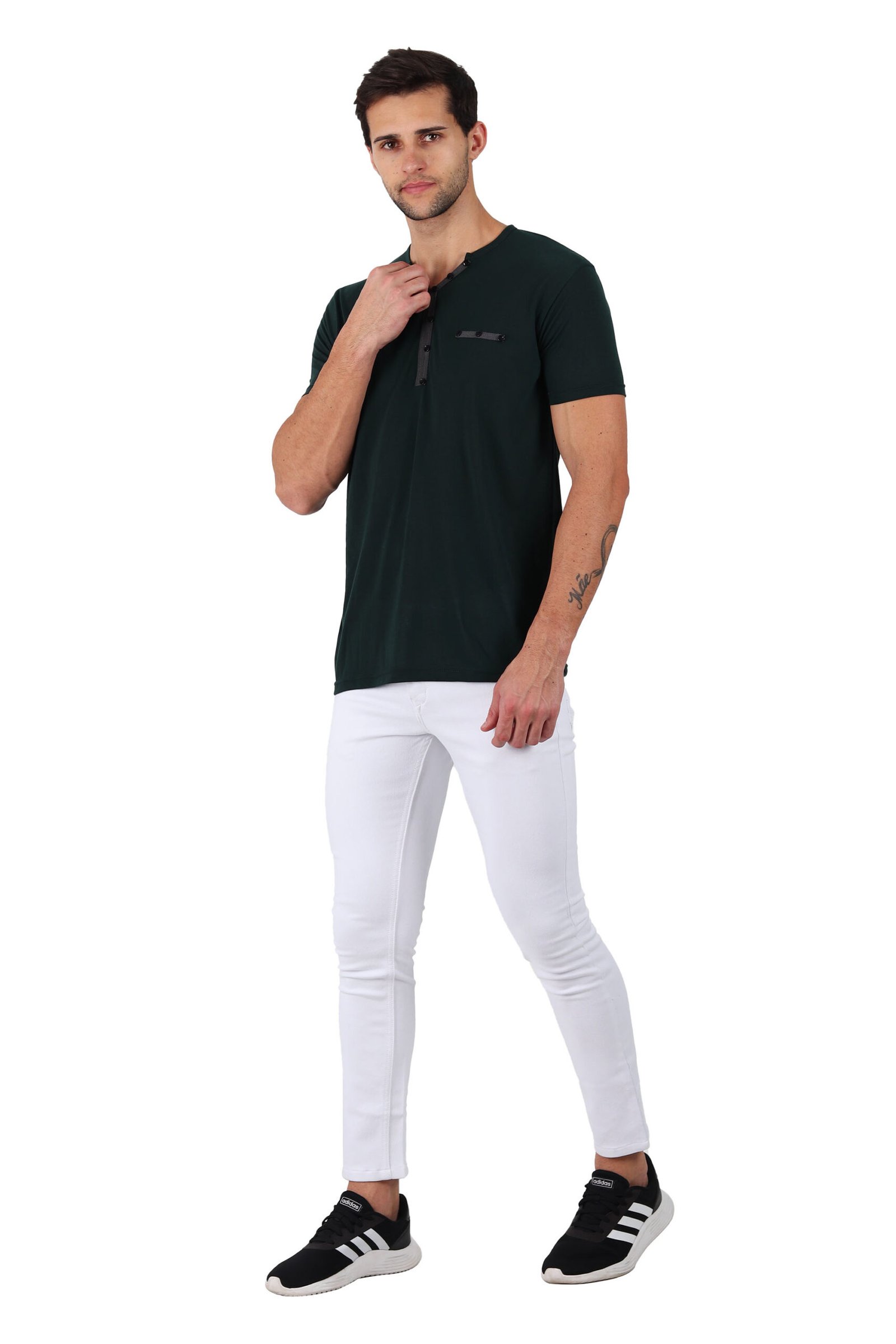
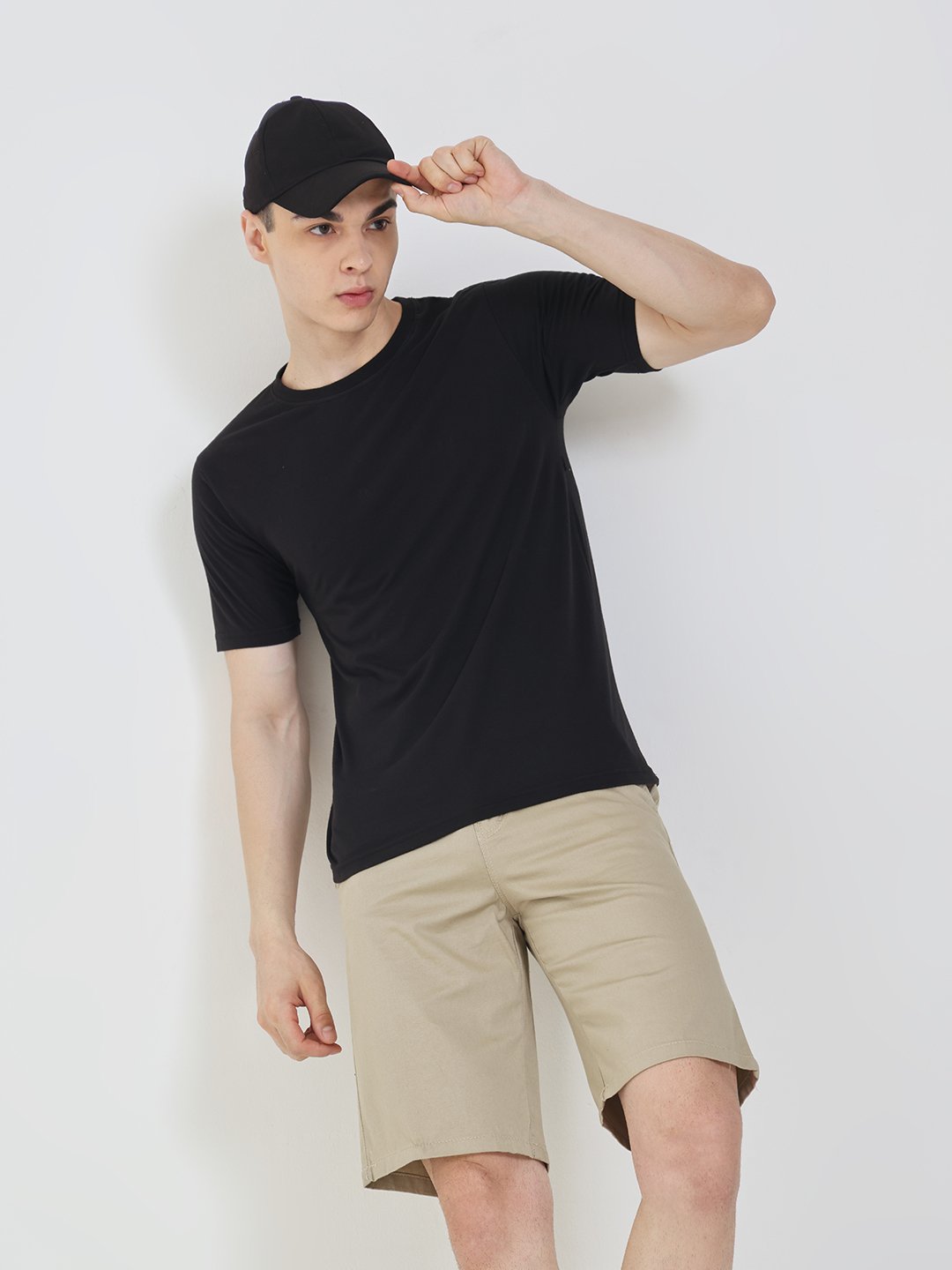
retailers in 2026, driven by the streetwear and athleisure trend. Joggers offer comfort with a tapered, casual look, while cargo pants add utility pockets and a rugged, on-trend style. Both appeal strongly to younger buyers and move well across seasons. Stocking the right fits, fabrics, and colours lets retailers tap into demand that denim alone doesn’t cover. This guide shows what to stock and why. At Mala Merchant, we supply joggers and cargo factory-direct from Ahmedabad.

Key Takeaways

  • Joggers and cargo are 2026’s fastest-growing menswear categories, driven by streetwear and athleisure.
  • Joggers = comfort + tapered casual look; cargo = utility pockets + rugged style.
  • Younger buyers (roughly 18–35) are the core customers.
  • They sell across seasons, not just one window.
  • Stocking them lets retailers capture demand that jeans alone miss.

Why joggers and cargo are growing fast

Men’s bottom-wear has shifted. Jeans still lead, but joggers and cargo pants are the fastest-climbing categories, and the reasons are structural, not a passing fad.

  • The athleisure wave. Comfort-first dressing has gone mainstream. Men want clothes that work from home to the street.
  • Streetwear influence. Cargo and relaxed silhouettes are everywhere in fashion, driven by social media and younger buyers.
  • Versatility. Joggers and cargo suit casual outings, travel, gym, and everyday wear, so one piece earns its place.
  • Year-round demand. Unlike some seasonal lines, these sell across the calendar, smoothing out a retailer’s sales.
  • Higher basket value. Many customers buy these alongside jeans, lifting the average sale.

For retailers, this is a clear opportunity. A category growing this fast, with demand that jeans don’t fully capture, deserves shelf space. Lining up a reliable men’s wholesale supplier early lets you ride the trend rather than chase it.

Joggers vs cargo: what’s the difference?

They often get grouped together, but they’re distinct products with different appeal. Stock both and you cover more of the market.

Feature Joggers Cargo Pants
Signature look Tapered leg, elastic/cuffed ankle Utility side pockets, rugged style
Main appeal Comfort and clean casual look Function and streetwear edge
Fit Usually slim to tapered Relaxed, loose, or tapered
Best for Athleisure, travel, everyday Streetwear, outdoor, casual-tough
Core buyer Comfort-focused, all ages 18–35 Trend-led, younger buyers
Fabric Cotton, fleece, poly-blends Cotton twill, denim, ripstop

Joggers win on comfort; cargo wins on attitude and utility. Many younger customers want both in their wardrobe.

Stocking the two together lets you serve the comfort buyer and the trend buyer from the same shelf, which widens your appeal without splitting your focus.

Bestselling men’s jogger styles to stock

Joggers come in several variations. Here are the ones that move fastest for retailers.

  • Basic solid joggers. Clean, single-colour joggers in black, grey, and navy. The everyday core that always sells.
  • Cuffed-ankle joggers. The classic tapered look with a ribbed ankle. Broad appeal and easy to style.
  • Cotton fleece joggers. Soft and warm, strong sellers heading into winter and the north Indian market.
  • Denim joggers. A denim-look jogger that blends jeans and athleisure, popular with trend buyers.
  • Cargo joggers. A hybrid with side pockets and a cuffed ankle, capturing both trends at once.
  • Side-stripe or panelled joggers. Sporty detailing for the athleisure crowd.

Stock the basics in depth and add a tight edit of trend variations. Keep your core colours (black, grey, navy) as the foundation. For the full range, see our men’s joggers wholesale collection.

Bestselling men’s cargo styles to stock

Cargo is where the streetwear trend is strongest. These are the cuts retailers should prioritise.

  • Loose fit denim cargo. The standout seller: denim cargo in a relaxed fit, combining two big trends at once.
  • Cotton twill cargo trousers. The classic utility cargo in solid colours, a dependable core piece.
  • Tapered cargo pants. A cleaner, slimmer cargo that suits smart-casual looks, broadening the appeal.
  • Cargo joggers. The hybrid with a cuffed ankle and side pockets, very popular with younger buyers.
  • Six-pocket utility pants. The rugged, functional classic for the outdoor and workwear-inspired crowd.
  • Washed and faded cargo. On-trend worn finishes for the fashion-led streetwear buyer.

Lead with loose fit denim cargo, since it’s the clearest trend winner, and build out with cotton and tapered options. Explore the full range in men’s cargo wholesale.

Fabrics, fits, and colours that sell

The details decide what moves. Here’s what works for joggers and cargo in the Indian market.

Fabrics:

  • Cotton and cotton-blend for breathable, everyday comfort, ideal for most of the year.
  • Fleece for warmth, a strong winter and north-India seller.
  • Cotton twill and ripstop for durable, structured cargo.
  • Denim for the trend-led denim cargo and jogger styles.

Fits:

  • Tapered and slim joggers for a clean, modern look.
  • Relaxed and loose cargo for the streetwear crowd.
  • Offer a range so you cover both comfort and trend buyers.

Colours:

  • Core neutrals win: black, grey, olive, navy, and beige are the reliable sellers.
  • Olive and khaki are especially strong for cargo’s utility look.
  • Add a few seasonal or bold shades for variety, but keep neutrals as your base.

Stock mostly neutral, versatile pieces, then layer in trend fabrics and colours. That mix keeps your range broad without over-complicating your buy.

Who buys joggers and cargo, and how to sell them

Knowing your customer helps you stock and merchandise this category well. The core buyers share a few traits.

  • Young adults (roughly 18–35). College students, young professionals, and fashion-aware buyers lead demand.
  • Comfort-seekers. Shoppers who’ve shifted to athleisure and want relaxed, wearable clothing.
  • Trend followers. Buyers influenced by streetwear, social media, and celebrity style.
  • Everyday and occasion crossover. Many want pieces that work for outings, travel, gym, and casual meetups.

To sell them well in your store:

  • Display with styling in mind. Pair joggers and cargo with tees and sneakers so buyers picture the full look.
  • Cross-sell with jeans. Place them near your denim so denim shoppers add a jogger or cargo to the basket.
  • Lead with the trend pieces. Put loose cargo and denim joggers up front to catch the eye.
  • Stock a full size range. These buyers span many sizes, so a balanced ratio matters.

Merchandised well, this category lifts both footfall and basket value among younger shoppers.

How to stock this category smartly

Adding a new category works best with a disciplined buy. Follow these rules.

  • Start with proven winners. Lead with basic joggers and loose denim cargo, the surest sellers, before experimenting.
  • Buy a tight, focused range. A few strong styles in good depth beats many styles spread thin.
  • Keep neutrals as your base. Black, grey, olive, and navy carry most of the demand; add trend shades sparingly.
  • Balance your size ratio. Weight toward your most common sizes so you don’t get stuck with odd ones.
  • Buy factory-direct. Sourcing straight from a manufacturer keeps your pricing competitive on a growing category. See our men’s category range.
  • Plan to reorder. Keep a supplier line open so you can restock fast movers without over-committing up front.

Treat joggers and cargo as a focused, high-potential addition. Start lean, learn what your customers buy, and scale the winners.

Frequently Asked Questions

What’s the difference between joggers and cargo pants?


Joggers have a tapered leg with a cuffed or elastic ankle and focus on comfort. Cargo pants have utility side pockets and a rugged, streetwear look. Many retailers stock both to cover more buyers.

Why are joggers and cargo growing so fast in 2026?


They ride the athleisure and streetwear trends, offer comfort and versatility, appeal strongly to younger buyers, and sell across all seasons, so demand keeps rising.

Which men’s cargo style sells best?


Loose fit denim cargo is the standout seller right now, as it combines the cargo trend with denim. Cotton twill and tapered cargo are strong, dependable options to stock alongside it.

What colours of joggers and cargo should I stock?


Keep neutrals as your base: black, grey, navy, olive, and beige are the reliable sellers. Olive and khaki are especially strong for cargo. Add a few trend shades for variety.

Who is the main customer for joggers and cargo?


Mostly young adults aged around 18–35: students, young professionals, and trend-aware buyers who value comfort, versatility, and streetwear style.

Add Joggers & Cargo to Your Store

Source men’s joggers and cargo factory-direct from Ahmedabad — low MOQs, trend-ready styles, and pan-India delivery.

Categories
Blog

Festive & Wedding Season Stocking Guide: What Denim Retailers Should Order for Oct–Jan

The October to January window — Diwali, the wedding season, and New Year — is the biggest sales period of the year for denim retailers in India. To make the most of it, stock trend-led women’s styles (cargo, flared, high-rise, embellished), reliable men’s fits (slim, straight, and loose cargo), and richer festive colours and washes. Order early, buy proven sellers in depth, and keep your size ratio balanced. This guide covers exactly what to stock, when to order, and how to avoid dead stock. At Mala Merchant, we supply retailers factory-direct from Ahmedabad, so this reflects what actually moves each season.

Key Takeaways

  • Oct–Jan is the biggest denim season — Diwali, weddings, and New Year drive peak demand.
  • Order early — buy before the rush so stock arrives in time.
  • Stock trend-led women’s and reliable men’s fits in depth.
  • Richer colours, darker washes, and festive details sell best in this window.
  • Balance depth with discipline to avoid dead stock when the season ends.

Why Oct–Jan is the biggest season for denim

The stretch from October to January is when Indian retailers make a large share of their yearly sales. Three big demand drivers overlap in this window.

  • The festive season. Diwali and the run-up to it bring a surge of shopping, gifting, and new-outfit buying.
  • The wedding season. Across much of India, weddings peak from November through January, and guests, families, and couples all shop for occasion-ready clothing.
  • New Year and winter. Year-end celebrations and cooler weather in the north push demand for fresh denim and heavier washes.

For a denim store, this means footfall and basket sizes climb sharply. Customers are in a buying mood and willing to spend on styles that feel new and festive.

The retailers who win this season aren’t the ones who react to it. They’re the ones who planned their stock weeks earlier. That’s why your buying decisions now matter so much, and why a reliable wholesale denim supplier is worth lining up early.

When to order ahead of the rush

Timing is everything in seasonal retail. Order too late and the stock arrives after the peak; order too early and you tie up cash. Here’s a sensible rhythm.

  • 6–8 weeks before the peak: place your main festive order. Production and delivery need lead time, so this keeps you stocked when demand arrives.
  • 3–4 weeks before: review early sales and place a top-up order for anything moving fast.
  • During the season: keep a line open with your supplier for quick reorders of bestsellers.
  • After the peak: hold back on fresh buying and focus on clearing remaining stock.

Because bulk production takes time, the biggest mistake is leaving your main order too late. If you’re reading this in the Oct–Jan window, prioritise reorders of proven sellers over brand-new styles, since those arrive fastest.

Plan your calendar backwards from the peak dates, and you’ll always have the right stock on the shelf at the right moment.

What women’s styles to stock

Women’s denim drives the festive season. Shoppers want pieces that feel dressy and new. Here’s what to prioritise.

Style Why it sells festive Stock priority
High-rise & mom fit On-trend, flattering, pairs with kurtis and tops High
Flared & wide-leg Dressy, festive silhouette for occasions High
Cargo jeans & trousers Streetwear trend still strong into 2026 High
Embellished & embroidered Occasion-wear appeal for weddings Medium-high
Skinny & jeggings Everyday staple, steady all-season seller High
Capri & ankle-length Versatile, good for layering Medium

The winning mix pairs steady staples (skinny, jeggings) with trend and occasion pieces (flared, cargo, embellished) that feel festive.

Stock your proven sellers in depth and add a tight edit of trend pieces. Browse the full range in women’s jeans wholesale and women’s cargo wholesale.

What men’s styles to stock

Men’s denim demand rises sharply in the festive and wedding season too, especially for sharper, occasion-ready fits. Prioritise these.

  • Slim and regular fit jeans. The dependable core. Dark, clean washes sell best for festive and wedding wear.
  • Straight fit jeans. A safe, broad-appeal cut that suits most body types and occasions.
  • Loose fit cargo jeans. The standout trend cut, strong with younger buyers heading into 2026.
  • Cargo and utility trousers. Casual festive wear that keeps gaining ground.
  • Dark indigo and black washes. The go-to festive colours for men, dressier than light washes.
  • Chino shorts and trousers. For warmer regions, smart-casual options round out the range.

Balance reliable fits (slim, straight) with the trend driver (loose cargo), and lean toward darker, cleaner washes for the occasion market. Explore the full range in men’s jeans wholesale and men’s cargo wholesale.

Colours, washes, and fits that sell festive

Beyond the style, the colour and wash decide what moves in this season. Festive and wedding shoppers lean toward a richer, dressier look.

  • Darker washes win. Deep indigo, dark blue, and black read as smarter and more festive than light, faded washes.
  • Rich and classic tones. Black and dark blue are the safe, high-selling base. Add a few statement shades for variety.
  • Clean over heavily distressed. For occasion wear, cleaner denim with minimal rips outsells heavily ripped styles.
  • Festive detailing. Embroidery, embellishment, and subtle shine lift women’s occasion pieces.
  • Comfort stretch. Shoppers buying for long festive days value stretch denim for comfort.
  • Layering-friendly fits. In the north, heavier washes and fuller fits suit the winter layering season.

Stock mostly dark, clean, versatile pieces as your base, then sprinkle in trend colours and festive details to catch the eye. That mix sells across both everyday and occasion buyers.

How much to stock without overbuying

The festive season tempts retailers to over-order. The trick is to buy deep on winners and shallow on experiments.

  • Go deep on proven sellers. Your reliable staples and last season’s bestsellers deserve the most stock. These are low-risk.
  • Go shallow on new trends. Test fresh styles in small quantities first. Reorder fast if they move.
  • Mind your size ratio. Order a balanced spread of sizes weighted toward your most common sizes, so you don’t get stuck with odd sizes.
  • Plan for reorders, not just one big buy. Keep budget and a supplier line open to restock fast movers mid-season.
  • Match stock to your footfall. Order to your realistic sales, not your most optimistic hopes.
  • Keep some cash in reserve. Don’t spend your whole budget up front; you’ll want it for in-season top-ups.

This way you capture the season’s demand without being left with piles of unsold stock in February. Depth on winners, discipline on the rest.

Avoiding dead stock after the season

The season ends, but your stock shouldn’t linger. Smart planning now prevents a February full of unsold denim.

  • Track what sells daily. Know your fast and slow movers early so you can reorder winners and stop pushing losers.
  • Reorder, don’t over-order. It’s safer to restock a bestseller mid-season than to buy a huge quantity up front and hope.
  • Favour timeless over gimmicky. Classic fits and washes keep selling after the festive peak; novelty pieces often don’t.
  • Plan a clearance window. Build a short end-of-season sale into your calendar to move remaining stock and free up cash.
  • Carry core styles forward. Staples like basic skinny, straight, and dark-wash jeans sell year-round, so leftover stock isn’t wasted.
  • Learn for next year. Note what sold and what didn’t, so your next festive buy is sharper.

The retailers who end the season with healthy cash flow are the ones who bought with discipline and sold with attention. Plan the exit as carefully as the entry.

Frequently Asked Questions

When should denim retailers order festive season stock?


Place your main order about 6–8 weeks before the peak, so production and delivery are complete in time. Then place top-up orders 3–4 weeks out and keep a line open for quick in-season reorders.

Which women’s jeans sell best in the festive season?


High-rise and mom fits, flared and wide-leg styles, cargo jeans, and embellished occasion pieces sell strongly, alongside everyday staples like skinny jeans and jeggings.

What men’s denim should I stock for weddings and Diwali?


Slim, regular, and straight fits in dark indigo and black washes are the core sellers, with loose fit cargo jeans as the key trend cut. Clean washes outsell heavily distressed styles for occasion wear.

Which colours and washes work best for festive denim?


Darker washes, deep indigo, dark blue, and black, read as dressier and sell best for festive and wedding wear. Keep these as your base and add a few trend shades for variety.

How do I avoid dead stock after the festive season?


Buy deep on proven sellers and shallow on new trends, track daily sales, reorder fast movers instead of over-ordering, favour timeless fits, and plan a short end-of-season clearance to free up cash.

Stock Up for the Festive Season

Order festive bestsellers factory-direct from Ahmedabad — low MOQs, fast reorders, and pan-India delivery.

Categories
Blog

Minimum Order Quantity (MOQ) Explained: How Bulk Jeans Ordering Actually Works

Minimum order quantity (MOQ) is the smallest number of pieces a manufacturer will produce or sell in one order. For wholesale jeans in India, MOQs are usually set per style and often per colour or size ratio, so you buy a set assortment rather than single pieces. MOQs exist because cutting fabric, setting up machines, and running a production line only make sense above a certain quantity. This guide explains how MOQs work, how bulk ordering flows from enquiry to delivery, and how new retailers can start small. At Mala Merchant, we supply retailers factory-direct from Ahmedabad with low MOQs, so this reflects how real bulk orders work.

Key Takeaways

  • MOQ is the smallest quantity a manufacturer will produce or sell in one order.
  • It’s usually set per style, and often per colour or size ratio.
  • MOQs exist because fabric, cutting, and machine setup need scale to be viable.
  • New retailers can start small by choosing suppliers with low MOQs.
  • Understanding MOQ helps you plan stock, cash, and your assortment better.

What is MOQ?

MOQ stands for minimum order quantity. It’s the smallest number of pieces a manufacturer or wholesaler will accept in a single order.

In wholesale jeans, you rarely buy single pieces. Instead, the MOQ is usually set per design, and often bundled by colour and size. So you commit to a set assortment of a style rather than picking one here and there.

Think of it like ordering from a bakery that only sells by the dozen. You can’t buy one cupcake; the smallest order is twelve. MOQ works the same way for manufacturing.

MOQs vary widely between suppliers. A large export factory may need big quantities per style, while a retailer-focused manufacturer like a factory-direct jeans supplier keeps MOQs low so smaller stores can buy comfortably.

Knowing the MOQ before you enquire saves time and helps you plan your budget and stock.

Why do MOQs exist?

MOQs aren’t there to make life hard for retailers. They come from the real economics of manufacturing. Here’s why a factory sets one.

  • Fabric is bought in rolls. Denim comes in large lots. A tiny order can’t use a roll efficiently, so there’s a minimum that makes the fabric worthwhile.
  • Cutting is done in layers. Fabric is stacked and cut together for efficiency. Cutting just a few pieces wastes fabric and labour.
  • Machine setup takes time. Setting up production lines, threads, and washes for a style is the same effort whether you make 50 pieces or 500.
  • Wash and finishing run in batches. Dyeing and washing are done in set loads, so very small runs aren’t practical.
  • Consistent quality needs scale. Larger runs keep colour, size, and finish uniform across the batch.

Once you understand this, the MOQ makes sense. It’s the point where production becomes efficient enough to offer you a good per-piece price.

Common MOQ structures

MOQ isn’t just one number. It’s usually structured in a few ways. Knowing them helps you plan your order.

MOQ type What it means Example
Per style Minimum pieces of one design A set quantity of one jeans style
Per colour Minimum for each colour of a style Separate minimum for blue vs black
Per size ratio A fixed mix of sizes per set A ratio across S, M, L, XL, etc.
Total order A minimum for the whole order Mix of styles to reach one total

The most common setup is per style, often with a standard size ratio built in. So you order a style and receive a balanced spread of sizes, ready to sell.

Always ask a supplier how their MOQ is structured before ordering. A low per-style MOQ with a sensible size ratio is ideal for retailers who want variety without over-committing.

How bulk ordering actually works

If you’ve never placed a bulk order, the process is simpler than it sounds. Here’s the typical flow from first contact to delivery.

  1. Enquiry. You contact the manufacturer with what you want: styles, colours, and rough quantities.
  2. Catalogue and MOQ. They share their catalogue, MOQ structure, and size ratios so you know what’s possible.
  3. Samples (optional). You can request sample pieces to check fabric, fit, and quality before a full order.
  4. Quotation. You get a price quote based on your styles and quantities.
  5. Confirm the order. You finalise styles, colours, size ratio, and quantity, meeting the MOQ per style.
  6. Advance and production. You usually pay an advance, and production begins.
  7. Quality check and dispatch. The order is checked, packed, and shipped, often pan-India.
  8. Delivery and balance. You receive the stock and clear any balance payment per the agreed terms.

That’s the whole cycle. Working with a wholesale jeans supplier that has a clear process makes your first bulk order smooth.

MOQ for new vs established retailers

Your ideal MOQ depends on where your business is. The right approach differs for a new store versus a growing one.

If you’re a new retailer:

  • Start with suppliers that offer low MOQs so you don’t tie up too much cash.
  • Order fewer styles but proven sellers, rather than many risky ones.
  • Use a sensible size ratio so you cover demand without overstocking odd sizes.
  • Test the market, learn what sells, then scale up.

If you’re established:

  • You can commit to larger quantities per style for better per-piece pricing.
  • You may unlock private label and custom production at higher volumes.
  • You can plan seasonal buys further ahead with confidence.

The key for beginners is simple: don’t let a high MOQ scare you off. Choose a manufacturer whose minimums match your stage, and grow your order sizes as your sales grow.

How to work within or negotiate an MOQ

MOQs aren’t always fixed in stone. These approaches help you work with them, or sometimes lower them.

  • Mix styles to a total. Ask if you can combine several styles to meet one overall minimum instead of a high MOQ per style.
  • Start with the supplier’s bestsellers. Popular styles often have more flexible minimums and are safer stock.
  • Commit to repeat orders. Telling a supplier you’ll reorder regularly can earn you a lower starting MOQ.
  • Order a trusted size ratio. Accepting the supplier’s standard size mix is easier for them and can keep the MOQ low.
  • Build a relationship. Suppliers flex more for reliable, repeat retailers than for one-off buyers.
  • Be clear and ready. Knowing exactly what you want speeds things up and builds trust.

Be polite and realistic. A good manufacturer wants a long-term retail partner, so reasonable requests are often welcome.

Common MOQ mistakes retailers make

A few avoidable errors trip up retailers on bulk orders. Watch for these.

  • Over-ordering a single style. Meeting a big MOQ on one unproven design risks heavy dead stock. Test first.
  • Ignoring the size ratio. Accepting a bad size mix leaves you stuck with sizes that don’t sell.
  • Chasing the lowest price over the lowest risk. A huge MOQ at a slightly lower price isn’t a saving if the stock doesn’t move.
  • Not requesting samples. Committing to an MOQ without checking quality first is a costly gamble.
  • Forgetting cash flow. A high MOQ ties up money you may need for rent and other stock.
  • Not clarifying terms. Always confirm the MOQ structure, size ratio, and payment terms before ordering.

Avoid these and your bulk orders stay profitable and low-risk, especially while you’re learning what your customers buy.

Your MOQ checklist before ordering

Before you confirm any bulk order, run through this quick checklist. It keeps you clear on exactly what you’re committing to.

  • Confirm the MOQ structure. Is it per style, per colour, per size ratio, or a total order minimum? Know this first.
  • Check the size ratio. Ask exactly which sizes come in the set, and in what proportion, so you don’t end up with unsellable sizes.
  • Request samples. Verify fabric, fit, stitching, and wash quality on a sample before committing to the full quantity.
  • Match the order to your demand. Only order styles you’re confident will sell, in quantities your shelf and cash flow can handle.
  • Clarify colours and variants. Confirm whether each colour carries its own minimum, as that changes your total.
  • Agree payment terms. Understand the advance, the balance, and when each is due before you commit.
  • Confirm lead time and delivery. Ask how long production takes and how the stock will reach you, so you can plan your season.
  • Ask about reorders. Check how quickly you can restock a bestseller, so you’re never caught short on a fast mover.

Ticking off this list turns a bulk order from a leap of faith into a planned, confident decision. A good manufacturer will happily walk you through each point.

Frequently Asked Questions

What does MOQ mean in wholesale jeans?


MOQ is the minimum order quantity, the smallest number of pieces a manufacturer will produce or sell in one order. For jeans it’s usually set per style, often with a fixed size ratio.

Why do jeans manufacturers set a minimum order quantity?


Because fabric is bought in rolls, cutting is done in layers, and machine setup and washing run in batches. Below a certain quantity, production isn’t efficient, so the MOQ keeps per-piece pricing viable.

Can new retailers buy jeans in small quantities?


Yes. Choose a manufacturer that offers low MOQs. Many retailer-focused suppliers let you start with a small number of pieces per style so you can test the market before scaling up.

Is MOQ per style or for the whole order?


It varies by supplier. The most common is a minimum per style, often with a set size ratio. Some suppliers also let you mix several styles to reach one total order minimum. Always confirm before ordering.

Can I negotiate a lower MOQ?


Often, yes. Mixing styles to a total, starting with bestsellers, accepting the standard size ratio, and committing to repeat orders can all help lower your starting MOQ with a willing supplier.

Start Your Bulk Order with Low MOQs

Buy jeans factory-direct from Ahmedabad — low minimums, wholesale pricing, and pan-India delivery.

Categories
Blog

Jeans Wholesale Profit Margin: How Much Retailers Really Make (2026 Breakdown)

Most jeans retailers in India earn a profit margin of around 40% to 60% on each pair. Your actual margin depends on where you buy (factory-direct vs market), your overheads, and your pricing. Buying straight from a manufacturer instead of a middleman is the single biggest lever on your profit. This guide breaks down how the margin works, the hidden costs, and how to grow it. At Mala Merchant, we supply retailers factory-direct from Ahmedabad, so this reflects what our buyers actually work with.

Key Takeaways

  • Typical jeans retail margin is 40–60% on standard denim.
  • Buying factory-direct is the biggest single boost to your margin.
  • Markup and margin are not the same — know the difference to price right.
  • Hidden costs (rent, staff, returns, dead stock) quietly eat your profit.
  • Private label and smart pricing can push net margins higher still.

What is profit margin in jeans retail?

Profit margin is the share of the selling price you keep as profit after the cost of the product. If a pair costs you half of what you sell it for, your margin is 50%.

Many retailers confuse margin with markup. They’re different, and mixing them up costs money.

  • Markup is profit as a percentage of your cost. Doubling your cost is a 100% markup.
  • Margin is profit as a percentage of your selling price. That same doubling is only a 50% margin.

Same rupees, very different percentages. Always price using margin, because that’s what reflects your real profitability on each sale.

As a rule of thumb, aim for a margin that covers all your costs and still leaves profit. For most jeans retailers in India, that lands in the 40–60% range on standard denim.

Markup vs margin: the quick conversion

Since margin is what matters, here’s how common markups translate into margin. Use this to price without second-guessing.

Markup on cost Resulting margin What it means
50% 33% Thin — only for fast-moving basics
100% (2× cost) 50% The common retail baseline
150% 60% Healthy — trend and premium lines
200% (3× cost) 67% Strong — specialised or branded pieces

The higher your markup, the higher your margin, but push too far and buyers walk. The sweet spot for most standard denim is a margin in the 40–60% band.
The real lever isn’t just raising prices. It’s lowering your cost for the same retail price, which is exactly why where you buy matters so much. We’ll cover that next.

Factors that affect your margin

Two retailers selling the same jeans can earn very different profits. These factors explain why.

  • Where you buy. Factory-direct beats buying through wholesale markets, where every middleman adds a layer of margin you pay for.
  • Order volume. Larger bulk orders usually unlock lower per-piece prices, widening your margin.
  • Product type. Basic value jeans carry thinner margins; trend, premium, or specialised fits (cargo, plus-size) command more.
  • Your location and overheads. High street rent and staff costs eat into your net margin, so price accordingly.
  • Returns and dead stock. Unsold or returned pieces quietly reduce your real profit across the season.
  • Your pricing confidence. Underpricing to “move stock fast” is the most common margin killer.

You control most of these. Tightening even two or three of them noticeably improves the profit you keep.

How to increase your margin

If you want to keep more of every sale, these are the highest-impact moves.

  1. Buy factory-direct. Cutting out the middleman is the fastest win. Sourcing straight from a manufacturer can save 15–25% per piece versus wholesale markets. See how in our guide to sourcing jeans in Ahmedabad.
  2. Order in bulk. Hitting the right order volume unlocks better per-piece pricing. Plan your buying to reach those breakpoints.
  3. Go private label. Your own brand lets you set the price and build loyalty, lifting margins over time. Learn more in private label jeans manufacturing.
  4. Stock higher-margin categories. Mix in cargo, plus-size, and trend pieces that command better prices than basics. Browse women’s jeans wholesale and men’s jeans wholesale.
  5. Reduce dead stock. Buy proven sellers, track what moves, and avoid over-ordering slow styles.

Stack a few of these and your net margin climbs without raising prices to the point that you lose customers.

Hidden costs retailers forget

Your gross margin looks healthy, but these costs quietly shrink your real profit. Factor them in.

  • Rent and electricity. Fixed monthly costs that must be covered before you make a rupee of profit.
  • Staff salaries. Wages for anyone helping you run the shop.
  • GST and taxes. Budget for tax on your sales and keep compliant invoicing.
  • Packaging and delivery. Bags, tags, and any shipping for online or distributor orders.
  • Returns and exchanges. Every returned pair ties up cash and may become dead stock.
  • Discounts and sales. End-of-season markdowns cut into the margin you planned.

The gap between gross margin and net margin is these costs. A 50% gross margin can become a 20–25% net margin once they’re all paid. Always plan around your net number.

Gross margin vs net margin: where profit really goes

It helps to see how a healthy gross margin becomes your take-home net margin.

Say you buy factory-direct and sell at a markup that gives you a gross margin of around 50–55%. That looks great on paper, but it’s before overheads.

Now your running costs come out of that gross profit:

  • Rent — usually the biggest single overhead.
  • Staff — wages for anyone helping run the shop.
  • Utilities, packaging, misc — steady monthly costs.
  • Returns and markdowns — an allowance for unsold or returned stock.

Together these often eat up well over half of your gross profit. So a 50–55% gross margin commonly lands at a net margin of around 20–30%.

Here’s the lever: if you buy through a market instead of factory-direct, your cost per piece rises for the same selling price. That extra cost comes straight off the top, and it can cut your net profit sharply. That’s the real value of buying factory-direct — it protects the margin you actually keep.

Pricing strategy tips for healthy margins

Smart pricing protects your profit without scaring off buyers. Keep these in mind.

  • Price on margin, not markup. Decide the margin you need, then set the retail price from your cost.
  • Cover your net, not just gross. Make sure your price leaves profit after rent, staff, and all overheads.
  • Use charm pricing. ₹799 feels much cheaper than ₹800 and lifts conversions with no real cost to you.
  • Bundle and upsell. Pair a jeans sale with a top or belt to raise the average basket value.
  • Protect your premium lines. Don’t discount trend and premium pieces too early; they carry your best margins.
  • Plan markdowns. Build an end-of-season allowance into your pricing so sales don’t wipe out your profit.

Consistent, confident pricing beats constant discounting every time. Protect your margin and your business stays healthy through the year.

Frequently Asked Questions

What is a good profit margin for a jeans retail business?


Most jeans retailers in India aim for a 40–60% gross margin. After rent, staff, and other overheads, a healthy net margin usually lands around 20–30%.

What’s the difference between markup and margin?


Markup is profit as a percentage of your cost; margin is profit as a percentage of your selling price. Doubling your cost is a 100% markup but only a 50% margin. Always price using margin.

How does buying factory-direct improve my margin?


Buying straight from a manufacturer removes the middleman layers you pay for in wholesale markets. This can save around 15–25% per piece, which goes straight into your margin.

Which jeans categories have the best margins?


Trend-led and specialised styles, such as cargo, plus-size, and premium fits, usually command higher margins than basic value jeans. A smart stock mix balances fast-moving basics with higher-margin pieces.

How do I turn a good gross margin into real profit?


Your gross margin is before overheads. Rent, staff, utilities, and returns usually take over half of it, so a 50–55% gross margin typically becomes a 20–30% net margin. Always plan around your net number.

Want Bigger Margins on Every Pair?

Buy jeans factory-direct from Ahmedabad — low MOQs, wholesale pricing, and pan-India delivery.