

Minimum order quantity (MOQ) is the smallest number of pieces a manufacturer will produce or sell in one order. For wholesale jeans in India, MOQs are usually set per style and often per colour or size ratio, so you buy a set assortment rather than single pieces. MOQs exist because cutting fabric, setting up machines, and running a production line only make sense above a certain quantity. This guide explains how MOQs work, how bulk ordering flows from enquiry to delivery, and how new retailers can start small. At Mala Merchant, we supply retailers factory-direct from Ahmedabad with low MOQs, so this reflects how real bulk orders work.
Key Takeaways
- MOQ is the smallest quantity a manufacturer will produce or sell in one order.
- It’s usually set per style, and often per colour or size ratio.
- MOQs exist because fabric, cutting, and machine setup need scale to be viable.
- New retailers can start small by choosing suppliers with low MOQs.
- Understanding MOQ helps you plan stock, cash, and your assortment better.
What is MOQ?
MOQ stands for minimum order quantity. It’s the smallest number of pieces a manufacturer or wholesaler will accept in a single order.
In wholesale jeans, you rarely buy single pieces. Instead, the MOQ is usually set per design, and often bundled by colour and size. So you commit to a set assortment of a style rather than picking one here and there.
Think of it like ordering from a bakery that only sells by the dozen. You can’t buy one cupcake; the smallest order is twelve. MOQ works the same way for manufacturing.
MOQs vary widely between suppliers. A large export factory may need big quantities per style, while a retailer-focused manufacturer like a factory-direct jeans supplier keeps MOQs low so smaller stores can buy comfortably.
Knowing the MOQ before you enquire saves time and helps you plan your budget and stock.
Why do MOQs exist?
MOQs aren’t there to make life hard for retailers. They come from the real economics of manufacturing. Here’s why a factory sets one.
- Fabric is bought in rolls. Denim comes in large lots. A tiny order can’t use a roll efficiently, so there’s a minimum that makes the fabric worthwhile.
- Cutting is done in layers. Fabric is stacked and cut together for efficiency. Cutting just a few pieces wastes fabric and labour.
- Machine setup takes time. Setting up production lines, threads, and washes for a style is the same effort whether you make 50 pieces or 500.
- Wash and finishing run in batches. Dyeing and washing are done in set loads, so very small runs aren’t practical.
- Consistent quality needs scale. Larger runs keep colour, size, and finish uniform across the batch.
Once you understand this, the MOQ makes sense. It’s the point where production becomes efficient enough to offer you a good per-piece price.
Common MOQ structures
MOQ isn’t just one number. It’s usually structured in a few ways. Knowing them helps you plan your order.
| MOQ type | What it means | Example |
| Per style | Minimum pieces of one design | A set quantity of one jeans style |
| Per colour | Minimum for each colour of a style | Separate minimum for blue vs black |
| Per size ratio | A fixed mix of sizes per set | A ratio across S, M, L, XL, etc. |
| Total order | A minimum for the whole order | Mix of styles to reach one total |
The most common setup is per style, often with a standard size ratio built in. So you order a style and receive a balanced spread of sizes, ready to sell.
Always ask a supplier how their MOQ is structured before ordering. A low per-style MOQ with a sensible size ratio is ideal for retailers who want variety without over-committing.
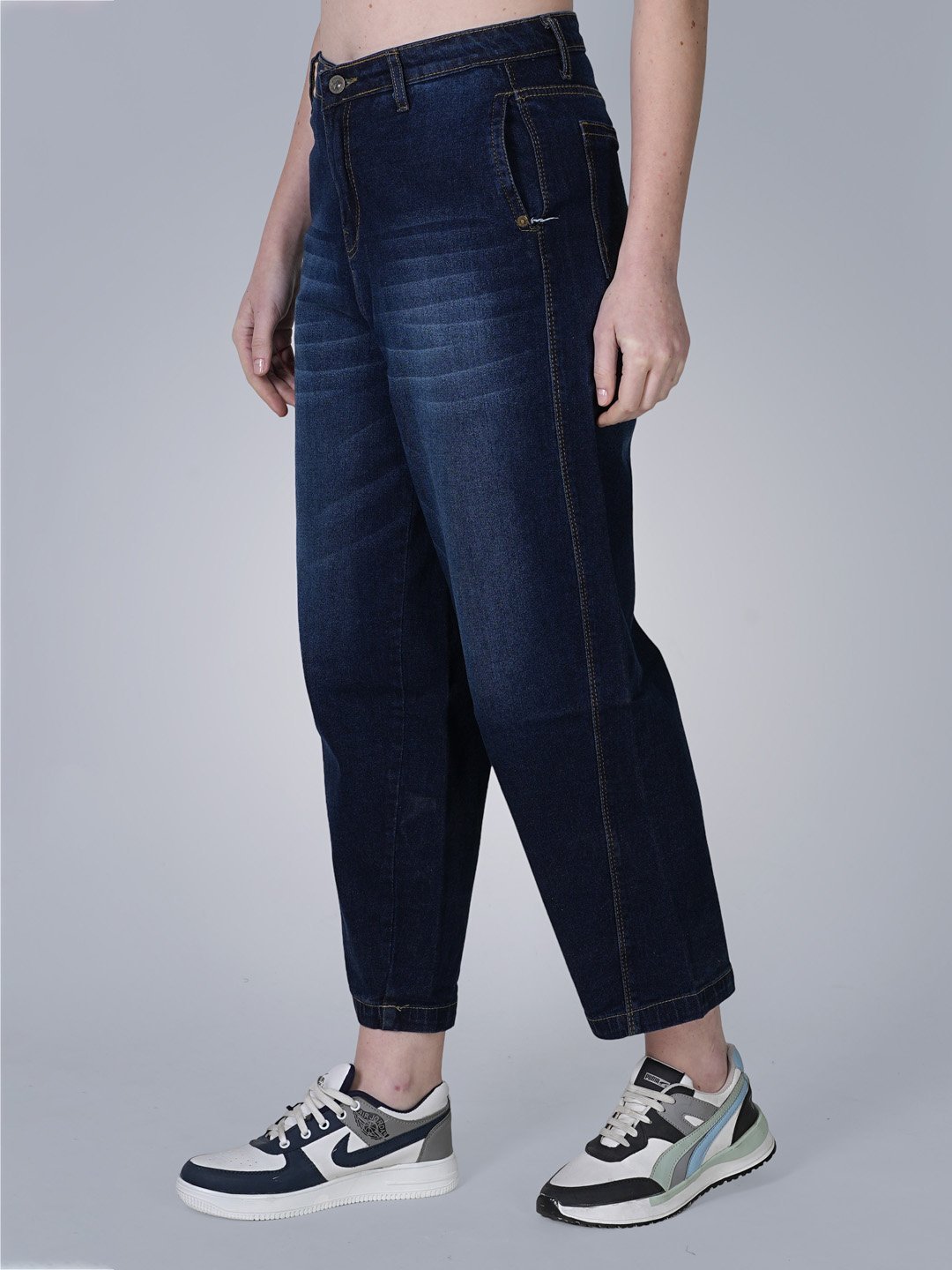
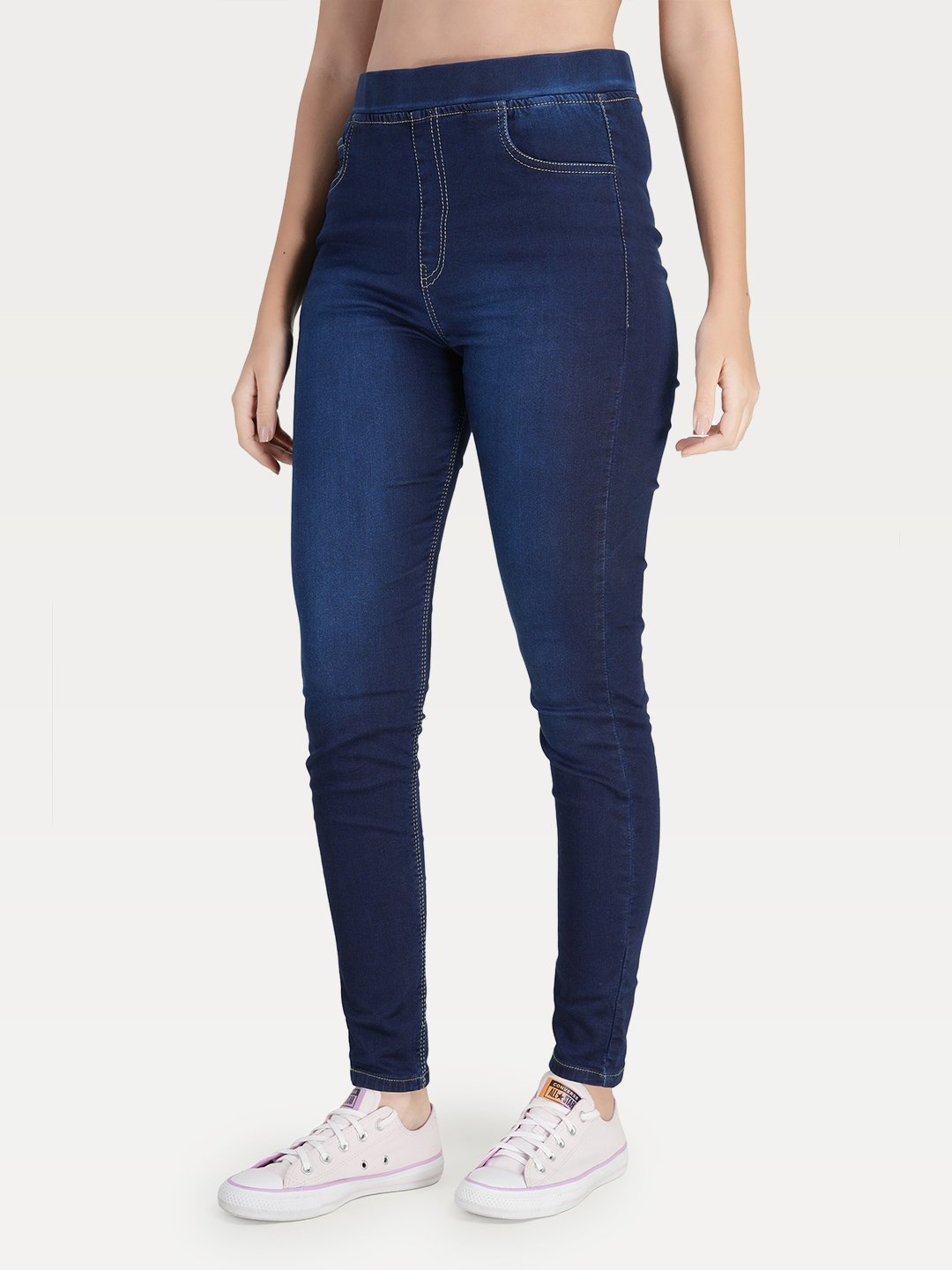
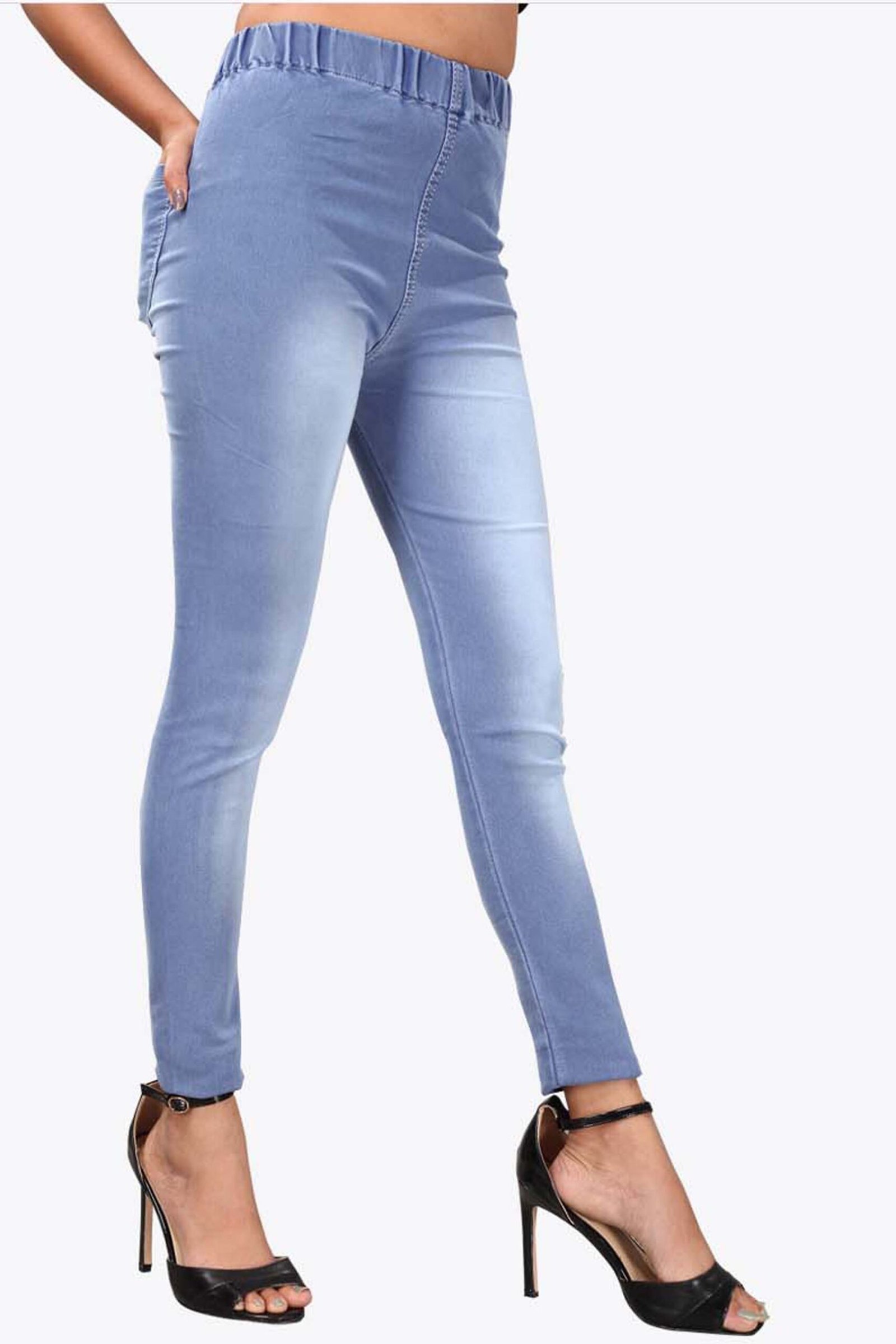
Low-MOQ Bestsellers
How bulk ordering actually works
If you’ve never placed a bulk order, the process is simpler than it sounds. Here’s the typical flow from first contact to delivery.
- Enquiry. You contact the manufacturer with what you want: styles, colours, and rough quantities.
- Catalogue and MOQ. They share their catalogue, MOQ structure, and size ratios so you know what’s possible.
- Samples (optional). You can request sample pieces to check fabric, fit, and quality before a full order.
- Quotation. You get a price quote based on your styles and quantities.
- Confirm the order. You finalise styles, colours, size ratio, and quantity, meeting the MOQ per style.
- Advance and production. You usually pay an advance, and production begins.
- Quality check and dispatch. The order is checked, packed, and shipped, often pan-India.
- Delivery and balance. You receive the stock and clear any balance payment per the agreed terms.
That’s the whole cycle. Working with a wholesale jeans supplier that has a clear process makes your first bulk order smooth.
MOQ for new vs established retailers
Your ideal MOQ depends on where your business is. The right approach differs for a new store versus a growing one.
If you’re a new retailer:
- Start with suppliers that offer low MOQs so you don’t tie up too much cash.
- Order fewer styles but proven sellers, rather than many risky ones.
- Use a sensible size ratio so you cover demand without overstocking odd sizes.
- Test the market, learn what sells, then scale up.
If you’re established:
- You can commit to larger quantities per style for better per-piece pricing.
- You may unlock private label and custom production at higher volumes.
- You can plan seasonal buys further ahead with confidence.
The key for beginners is simple: don’t let a high MOQ scare you off. Choose a manufacturer whose minimums match your stage, and grow your order sizes as your sales grow.
How to work within or negotiate an MOQ
MOQs aren’t always fixed in stone. These approaches help you work with them, or sometimes lower them.
- Mix styles to a total. Ask if you can combine several styles to meet one overall minimum instead of a high MOQ per style.
- Start with the supplier’s bestsellers. Popular styles often have more flexible minimums and are safer stock.
- Commit to repeat orders. Telling a supplier you’ll reorder regularly can earn you a lower starting MOQ.
- Order a trusted size ratio. Accepting the supplier’s standard size mix is easier for them and can keep the MOQ low.
- Build a relationship. Suppliers flex more for reliable, repeat retailers than for one-off buyers.
- Be clear and ready. Knowing exactly what you want speeds things up and builds trust.
Be polite and realistic. A good manufacturer wants a long-term retail partner, so reasonable requests are often welcome.
Common MOQ mistakes retailers make
A few avoidable errors trip up retailers on bulk orders. Watch for these.
- Over-ordering a single style. Meeting a big MOQ on one unproven design risks heavy dead stock. Test first.
- Ignoring the size ratio. Accepting a bad size mix leaves you stuck with sizes that don’t sell.
- Chasing the lowest price over the lowest risk. A huge MOQ at a slightly lower price isn’t a saving if the stock doesn’t move.
- Not requesting samples. Committing to an MOQ without checking quality first is a costly gamble.
- Forgetting cash flow. A high MOQ ties up money you may need for rent and other stock.
- Not clarifying terms. Always confirm the MOQ structure, size ratio, and payment terms before ordering.
Avoid these and your bulk orders stay profitable and low-risk, especially while you’re learning what your customers buy.
Your MOQ checklist before ordering
Before you confirm any bulk order, run through this quick checklist. It keeps you clear on exactly what you’re committing to.
- Confirm the MOQ structure. Is it per style, per colour, per size ratio, or a total order minimum? Know this first.
- Check the size ratio. Ask exactly which sizes come in the set, and in what proportion, so you don’t end up with unsellable sizes.
- Request samples. Verify fabric, fit, stitching, and wash quality on a sample before committing to the full quantity.
- Match the order to your demand. Only order styles you’re confident will sell, in quantities your shelf and cash flow can handle.
- Clarify colours and variants. Confirm whether each colour carries its own minimum, as that changes your total.
- Agree payment terms. Understand the advance, the balance, and when each is due before you commit.
- Confirm lead time and delivery. Ask how long production takes and how the stock will reach you, so you can plan your season.
- Ask about reorders. Check how quickly you can restock a bestseller, so you’re never caught short on a fast mover.
Ticking off this list turns a bulk order from a leap of faith into a planned, confident decision. A good manufacturer will happily walk you through each point.
Frequently Asked Questions
What does MOQ mean in wholesale jeans?
MOQ is the minimum order quantity, the smallest number of pieces a manufacturer will produce or sell in one order. For jeans it’s usually set per style, often with a fixed size ratio.
Why do jeans manufacturers set a minimum order quantity?
Because fabric is bought in rolls, cutting is done in layers, and machine setup and washing run in batches. Below a certain quantity, production isn’t efficient, so the MOQ keeps per-piece pricing viable.
Can new retailers buy jeans in small quantities?
Yes. Choose a manufacturer that offers low MOQs. Many retailer-focused suppliers let you start with a small number of pieces per style so you can test the market before scaling up.
Is MOQ per style or for the whole order?
It varies by supplier. The most common is a minimum per style, often with a set size ratio. Some suppliers also let you mix several styles to reach one total order minimum. Always confirm before ordering.
Can I negotiate a lower MOQ?
Often, yes. Mixing styles to a total, starting with bestsellers, accepting the standard size ratio, and committing to repeat orders can all help lower your starting MOQ with a willing supplier.
Start Your Bulk Order with Low MOQs
Buy jeans factory-direct from Ahmedabad — low minimums, wholesale pricing, and pan-India delivery.